
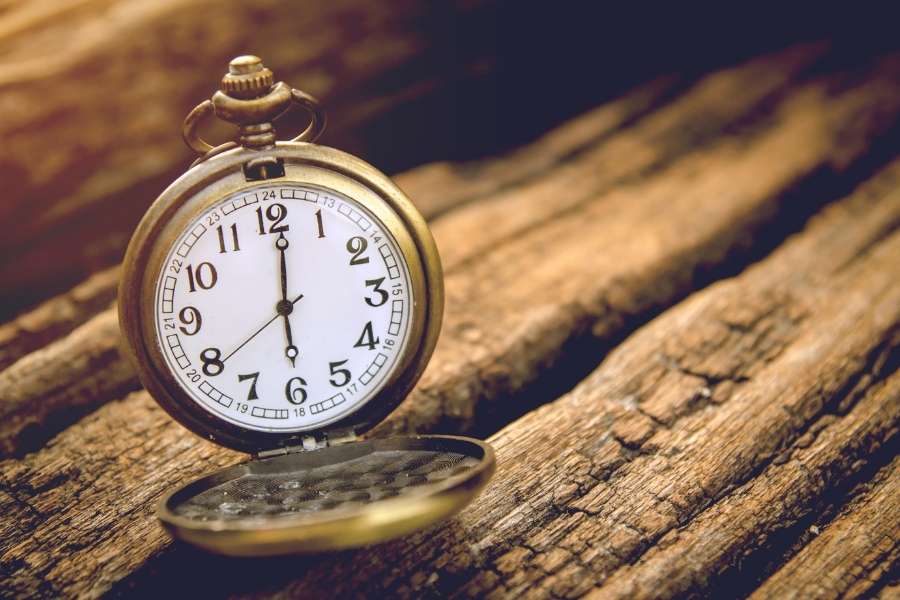
Vintage watch hunting is addictive. Ask any collector and they’ll tell you about that first piece that hooked them completely. Maybe it was a beat-up Seiko at a flea market or an elegant Tissot tucked away in grandpa’s drawer. Whatever it was, something clicked. The bug bit hard, and suddenly you’re scrolling through eBay at 2 AM, hunting for your next treasure.
Here’s the thing though: you don’t need trust fund money to build something special. The vintage timepiece world is packed with gems waiting for the right person to spot them. That person could be you, armed with a grand and some street smarts about what to look for.
These old watches aren’t just pretty faces either. They’re mechanical marvels from when things were built to last decades, not years. Every tick tells a story about craftsmanship that’s mostly vanished from today’s production lines. When you wear a vintage watch, you’re carrying a piece of history that actually works.
The beauty of starting with a $1000 budget? You’re forced to get creative. No throwing money at obvious choices like everyone else does. You’ll dig deeper, learn more, and probably end up with cooler pieces than collectors who just buy whatever’s trending on Instagram.
Why Vintage Watch Collecting Beats the Stock Market
Nobody talks about this enough: vintage watches have been crushing it financially. Not in a flashy, get-rich-quick way, but steadily, reliably, year after year. While your 401k rides the roller coaster, that humble Citizen from 1975 just keeps climbing in value.
Take Seiko divers from the 70s. Five years back, you could snag a decent one for maybe sixty bucks. Today? Try $250 minimum for anything halfway decent. That’s not speculation talking, that’s cold hard market data. Undervalued vintage pieces are everywhere if you know where to look.
The sub-$1000 sweet spot is where smart money plays. Everyone’s fighting over the same Submariner at Sotheby’s while you’re quietly building a killer collection of Swiss vintage timepieces that nobody’s paying attention to yet. Tissot, Mido, Certina – these brands made incredible watches that are still flying under the radar.
Estate sales are gold mines. Old jewelry stores going out of business? Even better. Online marketplaces where sellers don’t know what they have? Jackpot. The information gap between serious collectors and casual sellers creates opportunities that won’t last forever.
Smart collectors also know something most people miss: provenance matters, but it’s not everything. A fantastic watch without papers still ticks beautifully and tells time perfectly. Don’t let missing documentation scare you off a great piece if everything else checks out.
Vintage Watch Brands That Won’t Break Your Budget
Forget what the magazine ads tell you about needing a Rolex to be taken seriously. Some of the coolest vintage timepieces come from brands your dealer probably never mentions. Japanese makers like Seiko and Citizen were doing innovative stuff decades before Swiss brands caught on.
Seiko’s 6139 chronographs from the early 70s? Pure fire. They were the first automatic chronos to hit the market, beating the Swiss by months. You can still find clean examples under $500 if you’re patient. Compare that to what a vintage Heuer Carrera costs and tell me where the smart money goes.
Vintage Swiss watches from the second tier offer incredible value too. Longines made some gorgeous pieces in the 50s and 60s that showcase serious watchmaking chops. Tissot’s Seastar line competed directly with Omega but costs a fraction today. These aren’t consolation prizes, they’re steals hiding in plain sight.
American brands deserve respect too. Hamilton made railroad watches that kept the trains running on time across the entire country. Elgin produced millions of pocket watches that built their reputation on precision. When these companies switched to wristwatches, they brought that same obsessive attention to detail.
Vintage Watch Movements Worth Your Money
Manual wind movements are your friend when budget hunting. Less complexity means fewer things to break and cheaper service bills. A well-made hand-wound caliber from the 60s will outlive most modern automatics if treated right.
Automatic movements add convenience but pick carefully. Proven workhorses like the ETA 2824 or Seiko’s 6309 series have decades of real-world testing behind them. Parts are available, watchmakers know them inside out, and they’ll keep ticking for years with basic care.
Don’t sleep on early quartz either. Yes, battery-powered vintage watches exist and some are genuinely collectible. Seiko’s Astron from 1969 was the world’s first production quartz watch. Finding one today is like discovering the first iPhone in mint condition.
The key is understanding what you’re buying. A complicated movement in rough shape will cost more to fix than the watch is worth. A simple, robust caliber in good condition? That’s money in the bank.
Hunting Down Vintage Watch Bargains Like a Pro
Vintage watch hunting is part detective work, part gambling, and completely addictive. You need to develop an eye for quality hiding under decades of wear and neglect. Sometimes the best pieces look rough around the edges because nobody else wanted to take a chance on them.
Original condition trumps restored beauty every single time. That faded dial might not photograph well for Instagram, but collectors will pay premium prices for authenticity. Replacement parts tank values faster than you can say “aftermarket hands.”
Learn to spot red flags from across the room. Wrong crown, mismatched case back, aftermarket bracelet – these details separate the wheat from the chaff. A Frankenstein watch might run perfectly but it’ll never appreciate like an honest example.
Online buying takes guts but opens up the world. High-resolution photos reveal details that would take a magnifying glass to see in person. Video calls with sellers let you hear the movement and see the watch in action. Just remember: if it seems too good to be true, it probably is.
Authentication Tricks for Vintage Watch Buyers
Movement shots don’t lie. Every caliber has distinctive features that fakers struggle to replicate convincingly. Learn the signatures of movements you’re interested in. Jewel count, rotor shape, finishing quality – these details tell the real story.
Serial numbers unlock secrets if you know where to look. Many brands kept detailed records that survive today. A quick database check can confirm production year, original configuration, and sometimes even the original retailer.
Vintage watch restoration is a minefield. Some work enhances value, other work destroys it. Learning to spot period-correct replacement parts versus obvious aftermarket modifications protects your investment and your reputation as a serious collector.
Trust your gut but verify with research. That “rare” model might be common as dirt, or it might be genuinely special. Online databases and collector forums provide reality checks that prevent expensive mistakes.
Building Your Vintage Watch Collection Smart
Diversification isn’t just for investment portfolios. A smart vintage watch collection spans different brands, eras, and styles. Sports watches, dress pieces, tool watches – each category serves different purposes and appeals to different buyers down the road.
Buying cycles matter more than most people realize. Vintage watch trends swing like fashion trends, creating opportunities for contrarian thinkers. When everyone wants dive watches, dress watches get cheap. When minimalism is hot, complicated pieces lose favor temporarily.
Patience beats cash every time in this game. The perfect piece shows up when you least expect it, usually from someone who doesn’t know what they’re selling. Setting price alerts and checking regularly pays off eventually, but don’t get trigger-happy on mediocre examples just because they’re available.
Storage and insurance often get overlooked until it’s too late. A small investment in proper watch boxes and documentation protects much larger investments in the watches themselves. Vintage timepiece care isn’t complicated but it’s essential for maintaining value.
Maintaining Vintage Watch Investments
Service intervals depend on usage and condition, but most vintage mechanical watches need professional attention every five to ten years. Finding the right watchmaker matters more than finding the cheapest one. A ham-fisted repair job can destroy decades of appreciation in value.
Daily wear versus safe queen storage involves trade-offs. Wearing your watches keeps movements lubricated and prevents seals from drying out. Babying them too much can actually cause more problems than reasonable use would.
Parts availability varies wildly between brands and models. Popular pieces have aftermarket support and used parts networks. Obscure calibers might need donor movements for major repairs. Factor this into buying decisions, especially for complex pieces.
Documentation helps but don’t let perfect be the enemy of good. A watch without papers is still a watch. Focus on the piece itself rather than getting hung up on missing accessories that might never have survived anyway.
Vintage Watch Market Signals and Future Bets
Social media changed everything about collecting. Instagram made visual appeal crucial, driving up prices for photogenic pieces while creating opportunities in overlooked categories. Vintage watch discoveries happen daily as influencers introduce followers to forgotten brands.
Younger collectors think differently than previous generations. They care about stories, sustainability, and value more than pure prestige. This shift benefits affordable vintage timepieces from interesting but non-luxury brands.
Geographic markets are opening up too. What’s common in one country might be rare elsewhere. Global connectivity means local market inefficiencies don’t last long, but opportunities still exist for quick-moving collectors.
Economic uncertainty traditionally drives collectibles demand. Vintage watches offer something stock certificates can’t: daily utility and aesthetic pleasure while your money (hopefully) grows. It’s a hedge that you can actually enjoy using.
Technology keeps improving authentication and research tools. Blockchain provenance tracking might become standard. Better online marketplaces reduce transaction friction. These changes benefit serious collectors while making casual flipping harder.
Making Your First Vintage Watch Score
Starting with a solid, unexciting piece teaches fundamentals without risking serious money. A basic vintage Swiss watch with hand-winding movement provides real-world education about mechanical timekeeping. Learn to walk before you try to run in this hobby.
Local connections beat online research for learning purposes. Watch meetups, repair shops, and collector groups offer hands-on experience that no website can match. Plus, the best deals often come through personal networks rather than public listings.
Avoid analysis paralysis by setting clear criteria upfront. Maximum budget, preferred brands, condition requirements – having boundaries prevents impulse purchases and helps you recognize good opportunities when they appear.
Vintage timepiece markets reward patience and punish haste. The piece you pass up today might cost twice as much tomorrow, but the piece you buy too quickly often costs even more in regret. Trust your preparation and stick to your standards.
The vintage watch world under $1000 is wild, wonderful, and totally accessible if you approach it right. You’ll make mistakes – everyone does – but you’ll also discover incredible pieces that tell amazing stories. Some will increase in value, others will just make you smile every time you check the time. Both outcomes are victories in this strange, obsessive, completely worthwhile hobby. Ready to fall down the rabbit hole?