
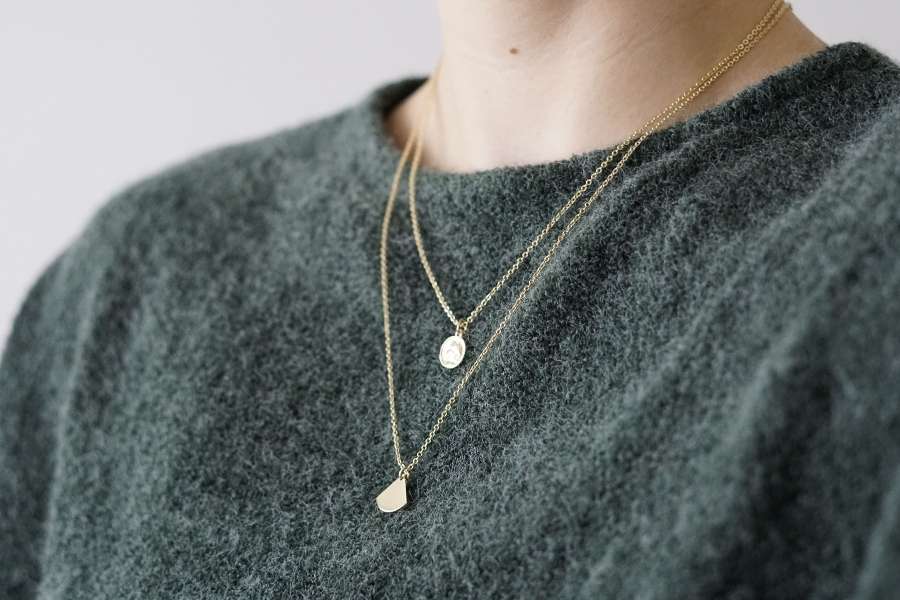
Layering delicate necklaces should be fun, not a daily wrestling match with stubborn chains. You know the drill – you pick out three gorgeous pieces, spend ages getting them just right, then find them twisted into an impossible knot by noon. Ugh, right?
Here’s the thing: stacking delicate jewelry doesn’t have to drive you crazy. It’s actually pretty straightforward once you know what you’re doing. Think of your neck as prime real estate where each piece needs its own space to shine.
Whether you’re getting dressed for work or a night out, mastering layering thin necklaces opens up so many outfit possibilities. You don’t need fancy tools or years of practice. Just a few smart tricks that jewelry lovers have figured out through trial and error.
Ready to ditch the tangles for good? Let’s dive into the secrets that’ll turn you into a layering pro.
Getting Started with Layering Delicate Necklaces
The biggest mistake most people make? Grabbing random necklaces and hoping they’ll play nice together. Spoiler alert: they won’t. Layered necklace looks work best when you plan ahead, kind of like cooking – you wouldn’t throw random ingredients in a pot and expect magic.
Your shortest necklace should sit snugly at your collarbone, usually around 14-16 inches. The next one goes 2-4 inches longer. If you’re adding a third, make it another 2-3 inches past that. This graduated layering technique gives each piece room to breathe instead of fighting for space.
Weight matters more than you’d think. Heavy pendants work best as your longest layer – they won’t yank the delicate stuff around. Save your dainty chains with tiny charms for the shorter layers where they can actually be seen.
Mix up your textures too. Smooth chains slide past bumpy or beaded ones without getting caught. Try pairing a sleek snake chain with a twisted rope chain, or mix polished with hammered finishes. Your necklaces will thank you by staying untangled.
Picking the Right Materials for Layering Delicate Necklaces
Not all metals get along, and some combinations are just asking for trouble. Jewelry layering without tangles starts with understanding which materials work together and which ones don’t.
Silver is softer than you might think, so pairing it with harder metals like stainless steel can leave you with scratched-up jewelry. But silver and gold-filled pieces? Perfect match. Mixing metal tones used to be a fashion no-no, but now it’s totally cool and gives you way more styling options.
Pay attention to surface finishes too. Super shiny pieces tend to slide around more, which sounds good but can mess up your carefully planned arrangement. Matte or brushed finishes have a bit more grip and help everything stay put during busy days.
Chain thickness is another thing people overlook. You wouldn’t pair stilettos with hiking boots, right? Same logic applies here. Keep your chain weights somewhat similar, with the finest as your shortest layer and gradually heavier pieces as you go longer.
Next-Level Layering Delicate Necklaces Tricks
Want to look like you hired a stylist? Here’s what the pros know that most people don’t. Necklace styling tricks aren’t rocket science, but they make all the difference between “nice try” and “wow, how’d you do that?”
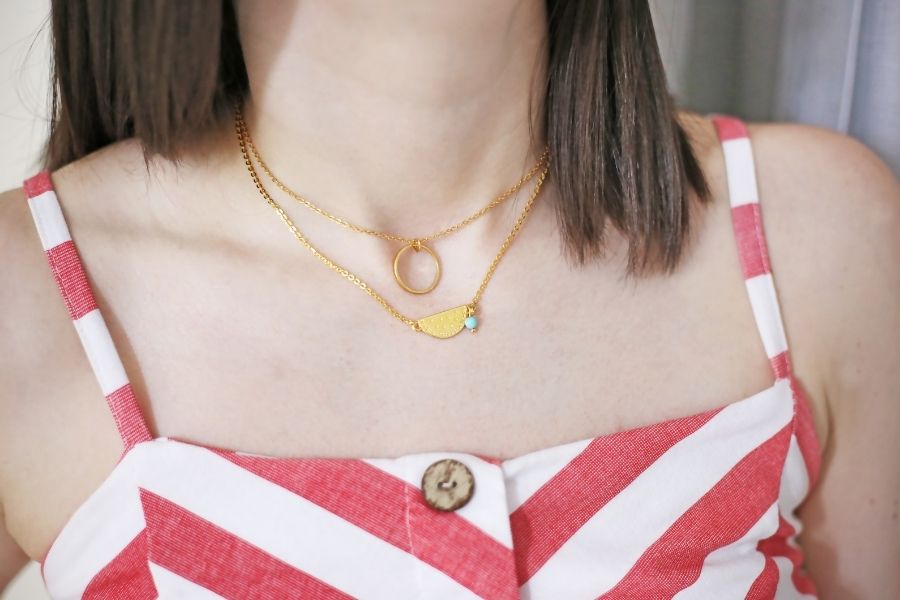
Put your showstopper piece in the middle, not at the top or bottom. This could be your coolest pendant or most interesting chain. Your shortest layer should complement it, not compete with it. Your longest layer just needs to ground everything and look balanced.
Odd numbers rule here, just like in decorating. Three or five layers usually look better than two or four, though two can be gorgeous if you keep it simple. More than three layers? Make sure you’ve got enough space between them or you’ll look cluttered.
Mix shapes for extra visual punch. Round chains with geometric pendants, smooth links with textured ones – variety keeps things interesting and reduces the chance of similar elements getting tangled up.
Planning Your Layering Delicate Necklaces Lengths
Getting your proper necklace lengths for layering right prevents most tangle disasters before they happen. These measurements aren’t random – they’re based on what actually works on real people.
Start with a choker or short necklace between 12-16 inches. This sets your whole look, so pick something comfortable that won’t slide around. Simple chains with small pendants work great here.
Your middle layer should hit around 17-19 inches, right below your collarbone. This is prime real estate for your favorite pendant or most interesting chain. Think of it as the star of your show.
For your longest layer, go 20-24 inches or even longer if you’re feeling dramatic. These fall between your collarbone and chest, giving you plenty of movement without interfering with the shorter pieces.
Super long necklaces (28+ inches) can be worn as single dramatic pieces or doubled up for more options. Keep these simple and lightweight so they don’t overpower everything else.
Fixing Common Layering Delicate Necklaces Headaches
Even with perfect planning, stuff happens. Stacking multiple necklaces comes with its own set of annoying problems, but most have pretty easy fixes.
Fine chains kink up all the time, especially soft metals like silver and gold. When it happens (not if), use a straight pin to gently work out the bend while supporting the chain on both sides. Better yet, store them properly to prevent kinks in the first place.
Pendants that won’t stay put are super frustrating. The bail (that little loop that connects to your chain) needs to be the right size for natural hanging. Too big and your pendant spins around like crazy. If you’re stuck with flippers, try positioning them differently or pair them with more stable pieces.
Multiple clasps bunching together feels terrible and looks messy. Spread them out around your neck when you put everything on. Some necklaces actually work better with clasps on the side or even in front, depending on your outfit.
Smart Storage for Layering Delicate Necklaces
Good tangle-free jewelry storage saves you time and prevents damage before you even start getting dressed. Throwing everything in a box together is a recipe for knots and scratches.
Individual pouches or compartments work way better than communal jewelry boxes. Soft cotton or silk bags protect delicate links and let you grab what you need without disturbing everything else. Skip plastic bags – they create static and can discolor some metals.
Hanging systems are amazing for longer pieces that tangle when folded. A few hooks inside your closet door or on a dedicated wall space keeps chains straight and easy to see. You’ll actually wear more of your jewelry when you can see what you have.
Traveling with layered looks needs special planning. Jewelry rolls with individual slots prevent movement, or use small containers with secure lids. Pack your planned combinations together so you’re not hunting for pieces in hotel rooms.
Creating Your Signature Layering Delicate Necklaces Style
Your custom layered necklace combinations should reflect your personality and lifestyle, not some magazine’s idea of what looks good. Some people love subtle, barely-there looks while others go full glamazon.
The minimalist approach uses two or three similar pieces with clean lines. Perfect for work environments or when your shirt has an interesting neckline that doesn’t need competition. Stick to the same metal family with slight texture variations.
Boho layering throws the rulebook out the window in the best way. Mix metals freely, add leather cords or fabric ribbons, go nuts with textures. Eclectic jewelry mixing works when you anchor everything with one consistent element, like staying in the same color family.
Vintage-inspired combinations pull from different eras for sophisticated, timeless looks. Victorian delicate chains with Art Deco geometric pendants? Yes please. Mid-century simplicity grounding ornate pieces? Also gorgeous.
Occasion-Smart Layering Delicate Necklaces
Different events need different approaches. Dressy layered jewelry looks for evening events have different requirements than your everyday casual style.
Work settings usually call for subtle coordination that adds interest without being distracting. Two layers often work better than complex arrangements in conservative offices. Keep things quiet and professional.
Evening events let you go bigger with statement necklace layering that catches light and complements formal wear. Think about how your choices will look in photos – evening events often mean lots of pictures where jewelry details really show up.
Casual days give you the most freedom to experiment. Mix metals, try weird combinations, wear pieces that mean something to you even if they don’t “match” perfectly. This is where you develop your personal style.
Weekend and vacation styling can include non-traditional elements like colored cords or pieces you picked up traveling. These combinations often tell stories and start conversations.
Keeping Your Layering Delicate Necklaces Looking Great
Taking care of your layered necklace arrangements doesn’t have to be a big production, but a little maintenance goes a long way.
Wipe everything down with a soft cloth after wearing to remove oils and perfume. Pay extra attention where different metals touch each other – these spots get more wear.
Weekly cleaning usually just means mild soap and water for most pieces. Silver needs special cloths to prevent tarnish, but gold-filled and solid gold pieces are pretty low-maintenance.
Professional cleaning once or twice a year keeps valuable pieces in top shape. Jewelers can spot wear patterns and fix small problems before they become big expensive ones.
Check your storage system regularly and replace worn pouches or loose hooks. As your collection grows, you might need to reorganize anyway.
Layering delicate necklaces without the tangle drama is totally doable once you know the tricks. Start simple with two pieces using the guidelines here, then build up as you get more confident.
The best part? There’s no such thing as perfect layering. Your style should make you feel amazing, not stressed out. These techniques give you a solid foundation, but don’t be afraid to break the rules once you understand why they exist.
Your jewelry should work with your life, not against it. With some planning and the right pieces, you’ll be creating gorgeous layered looks that stay put all day long.