
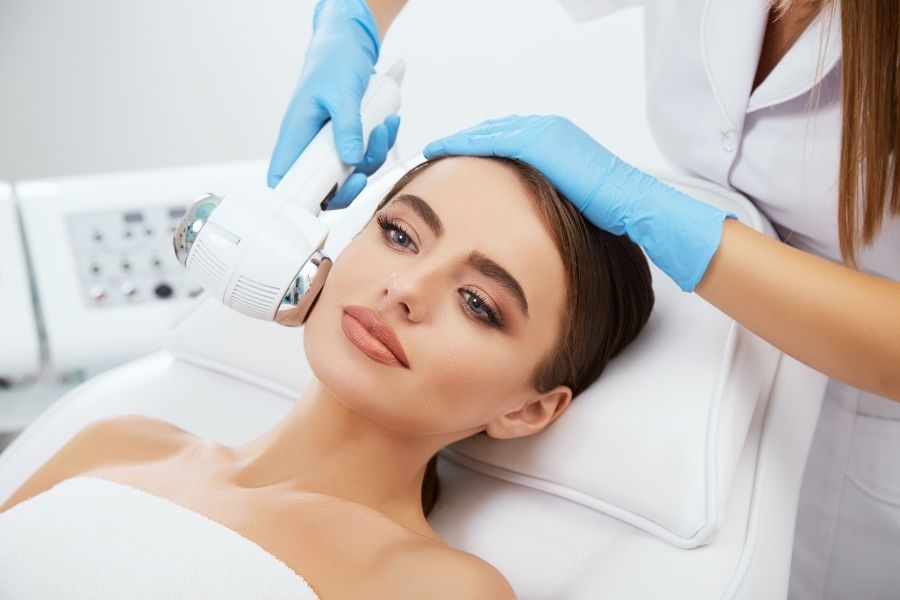
Cold therapy is everywhere on social media right now. You see celebrities rubbing ice cubes on their faces at 6 AM. Beauty gurus swear by frozen jade rollers. Your coworker won’t stop talking about her cryo facial. But here’s the thing: this isn’t just another beauty trend that’ll disappear next month. There’s actual science behind why your skin loves getting shocked with cold temperatures. It’s like that first sip of iced coffee on a hot day, except your face gets the wake-up call instead of your brain.
When you roll something freezing cold across your cheeks, you’re doing way more than just tightening things up temporarily. Your skin basically thinks it needs to go into survival mode, which sounds dramatic, but that’s exactly what makes ice facial benefits so impressive. Ancient cultures figured this out centuries ago. Modern dermatologists just caught up to what grandmothers in cold climates always knew: cold makes skin look amazing.
Cold therapy facials work like hitting the reset button on a glitchy computer. Everything that was sluggish or inflamed suddenly gets a jolt of energy. Your circulation goes crazy in the best way possible. Puffiness disappears faster than you’d expect. Those stress lines around your eyes? They calm down too.
The Science Behind Cold Therapy for Your Skin
Your face reacts to cold in pretty wild ways. First, all your blood vessels slam shut when they feel that icy shock. Sounds bad, right? Actually, it’s the opposite. After you take the cold away, those same vessels open up wider than they were before. It’s like your skin is doing jumping jacks, pumping fresh blood everywhere it needs to go.
This whole process has a fancy name: reactive hyperemia. Basically, your skin floods itself with oxygen-rich blood that carries all the good stuff your complexion craves. Dead skin cells get swept away. Nutrients rush in. Your face literally glows from the inside out.
Cryotherapy skin benefits go deeper than just surface changes. Cold temperatures trick your skin cells into thinking they need to rebuild and protect themselves. Collagen production kicks into high gear. Cell turnover speeds up. You’re essentially pranking your face into becoming younger and stronger.
Here’s where it gets really interesting: facial ice therapy messes with your nervous system too. That cold shock releases norepinephrine, which isn’t just the hormone that makes you feel alert. It also fights inflammation like a tiny ice-cold warrior. Your skin becomes less reactive to daily stress, pollution, and all the other garbage that ages us prematurely.
Think about how your skin looks after stepping outside on a crisp winter morning. That healthy flush isn’t coincidence. Your face is responding exactly how it’s supposed to when cold exposure therapy happens naturally.
Cold Therapy Techniques That Actually Work
Rolling plain ice cubes on your face seems simple enough, but you can mess this up badly if you’re not careful. Direct ice on skin for too long equals frostbite. Nobody wants frozen face burns from a beauty routine gone wrong. Wrap that ice in a thin towel or grab an ice roller for face treatments that’s actually designed for this.
The ice rolling technique that works best involves constant movement. Start in the middle of your face and work outward. Spend maybe 30 seconds on each area: forehead, cheeks, jawline, neck. Keep that roller or ice moving instead of parking it in one spot. You want even coverage, not frozen patches mixed with normal-temperature skin.
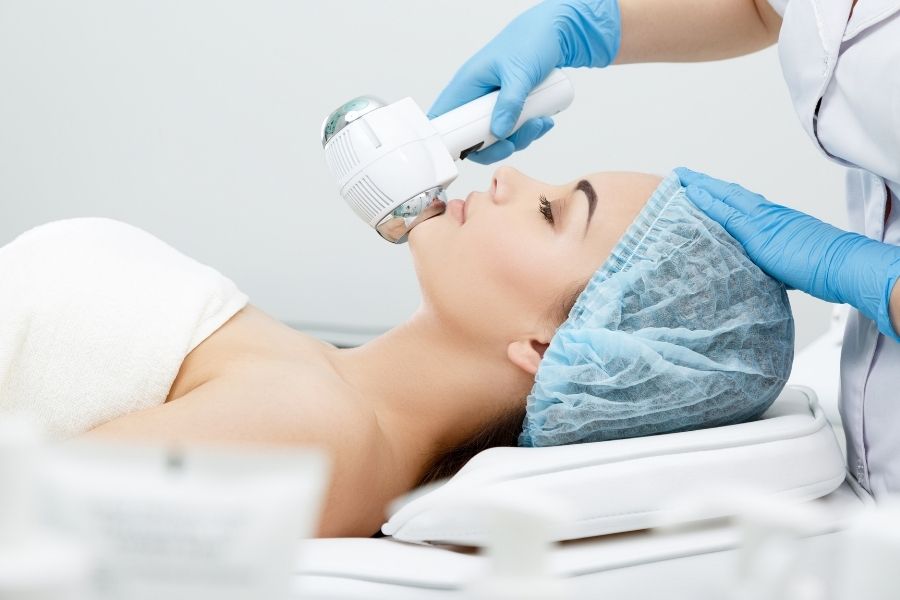
Professional cryogenic facial treatments use liquid nitrogen or fancy machines that cost more than your car. They definitely work faster and more dramatically than DIY methods. But honestly? You can get great results at home with way less money and effort. The secret isn’t achieving arctic temperatures. It’s showing up consistently with decent technique.
DIY cold therapy gets easier when you invest in proper tools. Jade rollers that live in your fridge work beautifully. Stainless steel gua sha tools stay colder longer. Purpose-made ice rollers give you better control than fumbling with slippery ice cubes. You’ll actually stick with the routine when it doesn’t feel like a wrestling match every morning.
Targeting Specific Skin Concerns with Cold Therapy
Cold therapy for acne works because inflammation hates cold temperatures. When you ice a angry pimple, you’re shrinking the blood vessels feeding that inflamed mess. Redness goes down. Swelling reduces. The cold even numbs painful cystic breakouts that throb all day. Just don’t overdo it or you’ll irritate already sensitive skin.
Ice for puffy skin is basically magic for morning face bloat. You know that awful puffiness when you wake up looking like you stored nuts for winter in your cheeks? Cold makes your lymphatic system drain all that excess fluid. Under-eye bags deflate. Your jawline reappears from wherever it was hiding. Works especially well after a salty dinner or terrible night’s sleep.
Anti-aging cold treatments attack multiple aging signs at once. Fine lines around your eyes smooth out from better circulation. Collagen gets a production boost from the cold shock. Your skin literally gets thicker and stronger over time. It’s like strength training for your face, except you’re using temperature instead of weights.
Cold therapy for rosacea needs a gentler approach since extreme temperature changes can trigger flare-ups. But mild cold can actually calm the chronic inflammation that makes rosacea so miserable. Start with barely-cool temperatures and work up slowly. Many people find their skin becomes less reactive overall with consistent gentle cold exposure.
Building Your Cold Therapy Skincare Routine
A solid cold therapy routine doesn’t need to take over your morning. Five minutes after cleansing works perfectly. Your skin is clean, and the cold treatment preps it to absorb whatever serums or moisturizers come next. Morning cold therapy wakes up your face better than three cups of coffee.
Evening sessions work differently. After washing off makeup and daily grime, cold therapy helps your skin recover from whatever stress it endured. It’s surprisingly relaxing too. That cold shock actually signals your nervous system to chill out, which might help you sleep better. Win-win situation.
Consistency beats intensity every single time with cold therapy benefits. Five minutes daily trumps one intense weekly session that leaves your face looking like a tomato. Your skin needs time to adapt and respond properly. Think of it like going to the gym: regular moderate workouts beat occasional extreme sessions that leave you sore for days.
Seasonal cold therapy adjustments matter more than you’d think. Winter skin is already stressed from dry air and temperature swings. Go gentler during cold months. Summer skin can usually handle more intense cold treatments since it’s generally more resilient and less prone to dryness.
Safety Considerations and Best Practices
Cold therapy safety isn’t optional. Never stick ice directly on your face for more than 15-20 seconds max. Use a barrier like a thin cloth or proper tool. Frostbite on your face is a real thing that can cause permanent damage. You want therapeutic cold, not tissue death.
Some people shouldn’t do intense facial cold treatments at all. Raynaud’s disease, severe rosacea, circulation problems, certain autoimmune conditions – all good reasons to check with a dermatologist first. Pregnant women might need modified approaches too.
Post-cold therapy care means letting your skin return to normal temperature gradually. Don’t immediately blast yourself with hot water or slap on warming products. Your blood vessels need time to adjust properly. Sudden temperature swings can break tiny capillaries and leave you with permanent red marks.
Your skin will tell you what it can handle. Some people tolerate longer exposure times or colder temperatures. Others need gentler approaches to get the same benefits. Pay attention to how your face reacts and adjust accordingly. There’s no prize for enduring the most extreme cold.
Professional vs. At-Home Cold Therapy Options
Professional cryotherapy facials use equipment that delivers precise temperatures and often combine cold with other treatments like LED light or special serums. The controlled environment and expert application definitely produce more dramatic immediate results. These effects can last weeks instead of days.
But at-home cold therapy wins on consistency and convenience. You can customize your routine based on how your skin feels each day. Stress levels, sleep quality, hormonal changes – you can adjust your treatment accordingly. Daily home sessions often beat monthly professional treatments in the long run.
Budget-friendly cold therapy works amazingly well. Ice cubes, frozen spoons, cold washcloths – all effective when used correctly. You don’t need expensive gadgets to see real improvements. Proper technique and regular practice matter way more than fancy equipment.
Hybrid approaches combining professional and home treatments often work best for serious skincare enthusiasts. Maybe get professional cryo facial treatments seasonally while maintaining daily home routines. You get the dramatic professional results plus cumulative benefits from consistent home care.
So what’s stopping you from giving your face the cold treatment it deserves? The research backs it up, the techniques are simple, and your bathroom probably has everything you need to start today. Cold therapy facials might just be the refreshing skincare shake-up your routine has been waiting for. Your skin will definitely notice the difference, and so will everyone else.