
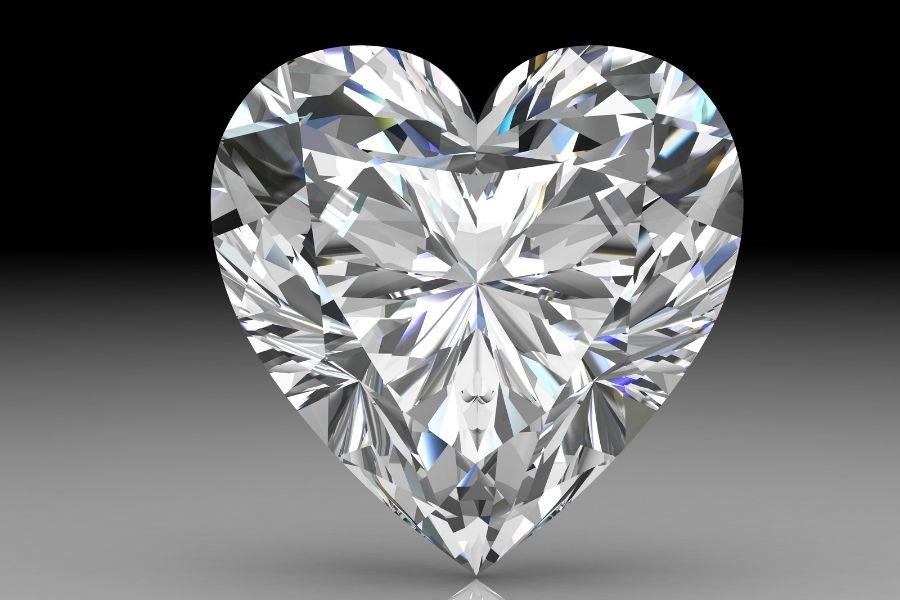
When Sarah walked into her local jewelry store last month, she had no clue she was about to stumble into one of the most heated debates in the jewelry world. The lab grown diamonds sparkling in one case looked absolutely identical to the natural stones next to them, but their price tags? Completely different stories. If you’ve ever stood there squinting at two seemingly identical diamonds wondering what the heck justifies such a price difference, you’re definitely not alone.
Here’s the thing: the diamond world got flipped upside down when scientists figured out how to grow perfect diamonds in labs. Now we’re all stuck choosing between rocks that took forever to form versus ones made in a few weeks. Whether you’re about to pop the question, celebrating big moments, or just want something shiny, the lab grown diamonds vs natural stones choice isn’t just about money anymore.
Let’s cut through all the marketing fluff and figure out what really matters when you’re making this decision.
What’s the Deal with Lab Grown Diamonds?
Lab grown diamonds are basically what happens when scientists get impatient with nature’s timeline. These aren’t fake or “diamond-like” stones we’re talking about. They’re actual diamonds, same chemical makeup, same hardness, same everything. The only difference? Instead of waiting around for a billion years under crushing pressure, they get made in fancy labs in just a few weeks.
Two main tricks get used here. The HPHT method cranks up pressure and heat to mimic what happens deep underground, while CVD grows diamonds from carbon gas in a vacuum chamber. Both ways end up creating real carbon crystals that even jewelers can’t tell apart from natural ones without special equipment.
The crazy part is how good this technology has gotten. Ten years ago, lab diamonds were mostly tiny industrial things. Now they’re making gem-quality stones that fool everyone. Even the GIA grades them exactly like natural diamonds, though they stamp “laboratory-grown” right on the certificate so there’s no confusion.
What really gets people is that these synthetic diamonds aren’t trying to be something else. They’re not cubic zirconia or moissanite pretending to be diamonds. They literally are diamonds, just with a different birth story.
The Ancient Story Behind Natural Lab Grown Diamonds
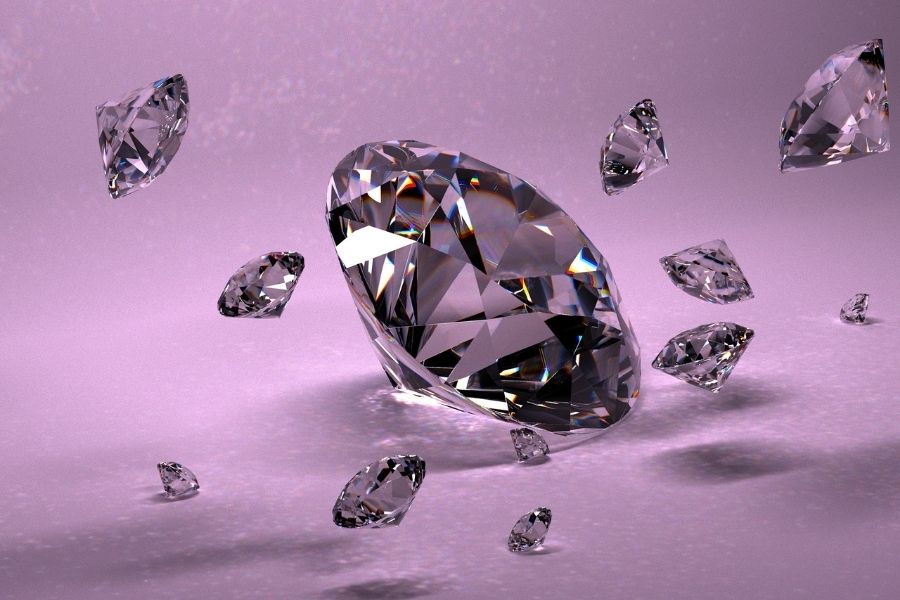
Natural diamonds come with bragging rights that sound like science fiction. Picture this: carbon atoms getting squeezed and heated about 100 miles underground, staying put for one to three billion years, then getting shot to the surface in volcanic explosions. That’s not marketing talk, that’s actually what happened.
Every natural stone carries tiny bits of its journey inside. Those little inclusions that gemologists point out? They’re like microscopic time capsules from when dinosaurs weren’t even a thing yet. Each diamond ends up completely unique because of this wild geological roller coaster.
The rarity factor hits different when you think about it this way. Diamond mines aren’t exactly popping up everywhere, and the good ones are getting harder to find. Some of the world’s biggest mines are running low, which makes every natural diamond that much more special.
When someone says their diamond is “billions of years old,” they’re not exaggerating. You’re literally wearing a piece of ancient Earth history that somehow survived everything from asteroid impacts to ice ages before ending up on your finger.
Quality Showdown: Spotting the Differences
Here’s where things get weird: in a blind test, you probably couldn’t tell lab grown diamonds vs natural stones apart. Both get graded on the same four Cs (Cut, Color, Clarity, Carat), and both can score perfect marks across the board.
They bend light the same way, they’re equally hard, they conduct heat identically. That signature diamond sparkle that makes people stop and stare? Both types nail it perfectly. Your friends won’t know the difference, and honestly, you probably won’t either.
But gemologists with their fancy equipment can spot some tells. Natural diamonds often have specific types of inclusions from their billion-year underground adventure, while lab stones might show different patterns from how they grew. Some CVD diamonds show strain patterns under special lights, but none of this affects how pretty they look or how long they last.
Funny thing is, lab grown diamonds sometimes actually win on technical quality. Since scientists control the growing conditions, they can avoid a lot of the flaws that natural stones pick up during their chaotic formation. You might end up with a cleaner, clearer stone going the synthetic route.
The bottom line? If someone handed you two identical-looking diamonds and didn’t tell you which was which, you’d be guessing.
The Price Game: Where Your Money Goes Lab Grown Diamonds
Let’s talk real numbers because this is where things get interesting fast. Lab grown diamonds typically run 30% to 50% cheaper than natural ones, sometimes even more depending on what you’re shopping for.
Say you want a one-carat stone with excellent cut, G color, and VS1 clarity. The natural version might set you back $6,000 to $8,000, while the lab grown diamond could cost $2,500 to $4,000. That’s not pocket change we’re talking about. That difference could upgrade your setting, go bigger on size, or just stay in your bank account.
This price gap happens because making diamonds in labs is way more predictable than digging them out of the ground. No massive mining operations, no wondering if you’ll find anything good, no shipping rough stones around the world. The whole process runs smoother, and those savings get passed along.
But here’s the catch that nobody likes talking about: natural stone value retention has a longer track record. Natural diamonds have held their value pretty consistently over decades, while lab diamonds are still the new kid on the block. Nobody really knows how they’ll hold up value-wise over the long haul.
If you’re buying something to wear and enjoy, this might not matter much. But if you’re thinking investment potential, it’s worth considering.
The Ethics Side: Clean Conscience Shopping
The whole ethical diamond sourcing conversation really shook up how people think about diamond buying. While the Kimberley Process cleaned up a lot of the conflict diamond issues, some folks still worry about mining conditions, environmental damage, and worker treatment in certain areas.
Lab grown diamonds offer a pretty straightforward ethical path. You know exactly where they came from, there’s no mining-related environmental mess, and nobody got exploited in the process. For people who lose sleep over supply chain issues, this transparency feels pretty good.
That said, the natural diamond industry isn’t sitting still. Plenty of mining companies now operate under strict environmental and labor standards, providing good jobs for thousands of people in developing countries. It’s not necessarily about choosing between good and bad options, but picking which approach to responsibility feels right to you.
The sustainable jewelry movement includes both camps, with some people preferring the guaranteed clean slate of lab creation, while others support responsible mining that keeps communities employed.
Environmental Reality Check Lab Grown Diamonds
When you dig into the environmental impact of diamond production, both options have their footprints, just in different ways. Traditional mining moves incredible amounts of earth, uses tons of water, and can mess with local ecosystems. Getting one carat of natural diamond might mean moving 250 tons of dirt.
Lab grown diamonds skip the mining mess but aren’t exactly eco-friendly either. Those high-pressure, high-temperature processes gulp down electricity like crazy. The good news is that as more renewable energy comes online, the carbon footprint of synthetic diamonds keeps shrinking.
Most studies suggest that laboratory diamond production uses less water and creates fewer emissions per carat than mining operations, though it really depends on comparing specific facilities. The big advantage is knowing and controlling exactly what environmental impact you’re creating.
Making Your Choice: What Actually Matters to You
Picking between lab grown diamonds vs natural stones comes down to figuring out what keeps you up at night and what makes you smile. Do you get goosebumps thinking about wearing something that formed when Earth was young? Does maximizing size and quality within your budget matter more? Are you the type who researches the environmental impact of everything you buy?
Remember Sarah from the beginning? After learning about both options, she realized she wanted the biggest, most beautiful stone possible for her engagement ring budget. She went with a lab grown diamond nearly twice the size of any natural stone she could afford, and she’s absolutely thrilled with her choice.
Her sister took the opposite path, choosing a smaller natural diamond because the ancient origin story and proven value retention mattered more to her than size or immediate savings. Both sisters made perfect choices for what they personally valued.
What’s Coming Next in Lab Grown Diamonds
The diamond world keeps shifting under our feet. Consumer preferences in diamond selection are changing as younger buyers often care more about value and ethics than following tradition. Meanwhile, the technology behind synthetic diamond quality keeps getting better, while finding new natural diamond deposits gets harder.
Walk into most jewelry stores now and you’ll see both options displayed side by side. Celebrities are choosing lab-grown stones for major engagements, which helps normalize synthetic diamonds in the luxury world. The old stigma around “fake” diamonds is pretty much disappearing.
Market trends show lab grown diamond market growth accelerating while natural diamond prices stay relatively stable despite supply getting tighter. This creates some interesting opportunities for shoppers willing to consider both paths.
So when you find yourself at that jewelry counter facing the same choice Sarah did, remember there’s no universally right answer here. Whether you go with the ancient magic of natural stones or the modern innovation of lab grown diamonds, you’re getting a real diamond that’ll sparkle beautifully for decades to come. The question isn’t which is better, it’s which is better for you, your values, and your vision of the perfect piece.
The most gorgeous diamond is the one that makes you grin every time you catch it sparkling, whether it took three weeks or three billion years to get there.