
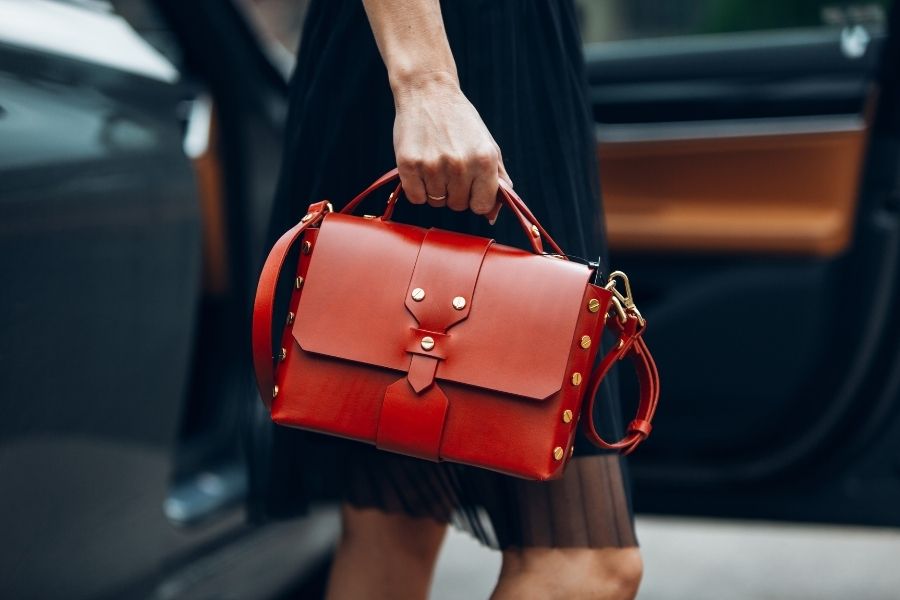
You know that feeling when you spot a gorgeous Luxury Handbag that’s been completely ruined by careless handling? The leather’s cracked, the hardware’s tarnished, and what was once a $10,000 masterpiece now looks like it belongs at a yard sale. Ouch.
Here’s what nobody tells you when you buy your first luxury bag: the care routine you start on day one determines whether your investment stays valuable or becomes an expensive mistake. I’ve seen too many beautiful bags destroyed by well-meaning owners who thought they were doing everything right.
Your designer handbag isn’t just another accessory sitting in your closet. It’s more like owning a piece of art that happens to carry your stuff. And just like you wouldn’t toss a vintage painting in a humid basement, your bags need some serious TLC to stay gorgeous.
Let’s talk about what actually works when it comes to luxury handbag care – no fluff, just the stuff that keeps your bags looking fresh and holding their value.
Why Your Bag Care Routine Actually Matters (Spoiler: It’s About Money)
I’ll be straight with you – the luxury handbag game has completely changed. These aren’t just pretty accessories anymore; they’re legit investments. Some bags have been beating the stock market for years, but only if they’re kept in pristine condition.
Walk into any consignment shop and you’ll see the difference immediately. Two identical Chanel bags sitting side by side, but one sells for $3,000 while the other barely gets $800. What’s the difference? The expensive one was babied from day one, while the cheaper one shows every coffee spill and careless toss into the backseat.
Authentication services are getting pickier too. They’ll spot a poorly maintained bag from across the room and dock its value accordingly. That tiny stain you’ve been ignoring? It could cost you thousands when you decide to sell.
But here’s the thing – proper care isn’t rocket science. It’s more about building good habits and knowing what actually damages your bags versus what’s just marketing hype.
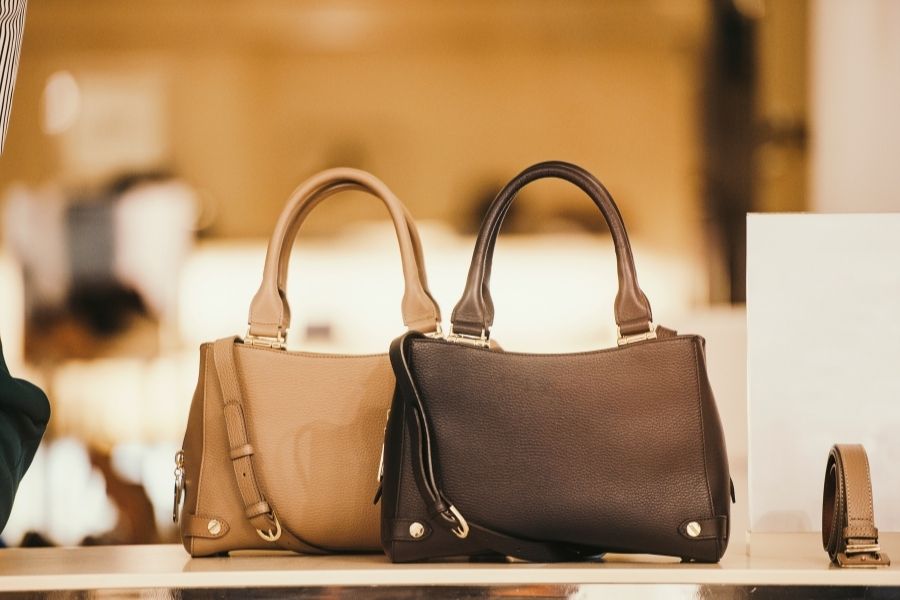
The Mistakes That Cost You Big Luxury Handbag
Most bag damage happens slowly, then all at once. You skip conditioning for a few months, thinking it’s no big deal. Then suddenly your leather starts cracking and you’re looking at a $500 restoration bill – if it can even be fixed.
Water damage is another silent killer. A few drops here and there seem harmless until you notice permanent water rings that make your bag look cheap. And don’t get me started on hardware issues – once that gold plating starts wearing off, you’re basically carrying around a very expensive paperweight.
Creating the Perfect Home for Your Bags
Your closet setup can make or break your collection. I’ve been in closets that look like luxury boutiques and others that make me want to rescue every bag in sight. The difference isn’t money – it’s knowledge.
Temperature swings are your bags’ worst enemy. If your closet feels like a sauna in summer and an icebox in winter, your leather is getting tortured every single day. Leather expands and contracts with temperature changes, and over time, this leads to cracking that can’t be undone.
Humidity is just as important. Too much moisture and you’re inviting mold to the party. Too little and your leather turns into cardboard. The sweet spot is around 50% humidity, which you can monitor with a cheap hygrometer from any hardware store.
Light exposure might seem harmless, but UV rays are slowly cooking your bags even indoors. I learned this the hard way when I noticed my favorite bag had faded unevenly after sitting near a window for months.
Storage That Actually Protects Your Investment
Forget those Instagram-worthy displays where bags are crammed together like sardines. Each bag needs its own space to breathe, plus proper support to maintain its shape.
Here’s what works in real life:
- Give each bag its own dust cover (use the original ones if you still have them)
- Stuff them properly but don’t overpuff – you want support, not expansion
- Keep them off the floor where dust and humidity collect
- Use dividers so bags aren’t squashing each other
- Add some cedar elements to control moisture naturally
The stuffing material matters more than most people realize. Cheap tissue paper can yellow and transfer chemicals to your bag. Newspaper is even worse – I’ve seen ink stains that took professional cleaning to remove. Invest in acid-free tissue or specialized bag pillows.
Simple Climate Control That Works Luxury Handbag
You don’t need a fancy climate-controlled room. A few silica gel packets in your storage area work wonders for moisture control. If you live somewhere humid, a small dehumidifier is worth every penny.
Keep air circulating too. Stagnant air in closed spaces creates the perfect environment for mold and mildew. A small fan on a timer can solve this without breaking the bank.
Leather Care Techniques That Don’t Require a PhD
Let’s cut through the confusion about leather care. The internet is full of conflicting advice that ranges from helpful to downright dangerous. I’ve seen people ruin expensive bags following bad online tutorials.
First things first – know what type of leather you’re dealing with. Smooth calfskin needs different care than pebbled leather, and exotic skins like crocodile are in a league of their own. Using the wrong product can permanently damage your bag.
Conditioning is important, but more isn’t better. Over-conditioned leather looks greasy and attracts dirt like a magnet. I condition my regularly used bags every 3-4 months, stored bags maybe once a year.
My go-to conditioning routine:
- Test any new product on a hidden spot first (learned this one the hard way)
- Use products made specifically for luxury leather
- Apply with a soft cloth in thin, even layers
- Let it absorb completely before buffing
- Less is more – you can always add more later
Different Leathers, Different Rules
Exotic leathers are temperamental divas that need special handling. Crocodile and python can’t handle standard leather conditioners – they need products specifically formulated for reptile skins. Some exotic leathers are naturally water-resistant, others will spot if you look at them wrong.
Patent leather is its own beast. It’s practically bulletproof against stains but can crack if it gets too hot. I’ve seen patent bags left in cars turn into expensive disasters after sitting in summer heat.
Suede and nubuck require completely different care. Water is their enemy, and once they’re stained, fixing them usually requires professional help. Prevention is everything with these materials.
Stain Prevention and Removal: Your Emergency Action Plan
Accidents happen, even to the most careful of us. The difference between a minor mishap and a major disaster is how quickly you react and what you do first.
Water spots look innocent but can create permanent rings on certain leathers. The minerals in tap water are what cause these marks, and once they set, they’re nearly impossible to remove completely. This is why I always blot water immediately and never let it air dry.
Oil stains are sneaky – they might not look like much at first, but they darken over time as the oil penetrates deeper into the leather. The old trick of using baby powder or cornstarch works, but you need to act fast. I keep a small container of cornstarch in my car for emergencies.
Ink stains are the worst because they spread as you try to clean them. Don’t rub – you’ll just push the ink deeper and make the stain bigger. Blot gently and get professional help if it’s a valuable bag.
Cleaning Techniques That Actually Work Luxury Handbag
For everyday dirt and light scuffs, less is more. A barely damp cloth is often all you need. The key word is “barely” – too much water causes more problems than it solves.
My cleaning protocol:
- Empty the bag completely and shake out debris
- Use a soft brush on textured areas to lift surface dirt
- Clean hardware separately with appropriate cleaners
- Work on stains immediately using the right technique for each type
- Let everything dry completely before putting the bag away
Some luxury brands offer cleaning services, and for really expensive pieces, it’s worth the cost. They know their materials inside and out and have access to specialized products you can’t buy.
Hardware Care: The Details That Make the Difference
Hardware problems are often the first thing people notice about a neglected bag. Tarnished clasps, scratched buckles, and corroded chains can make even the most expensive bag look cheap.
Different metals need different care, and mixing up your approach can cause permanent damage. Gold-plated hardware is especially tricky because the plating can wear off if you’re too aggressive with cleaning. Once it’s gone, re-plating is expensive and sometimes impossible.
The oils from your hands build up on hardware over time, creating a film that attracts dirt and can cause corrosion. I wipe down my hardware with a soft cloth every few times I use a bag, and do a deeper clean monthly.
Keeping Your Hardware Looking New Luxury Handbag
Here’s what works for me:
- Quick wipe-down with a dry cloth after each use
- Monthly cleaning with metal-specific products
- Immediate cleanup of any perfume or lotion contact
- Protective storage to prevent scratching
- Professional assessment if I notice any plating wear
Never use household cleaners on luxury hardware. I learned this lesson expensively when I stripped the plating off a vintage Chanel chain with the wrong cleaner. Stick to products made for luxury goods or consult the manufacturer.
Seasonal Adjustments: Your Bags Need Different Care Year-Round
Your luxury handbag care routine should change with the seasons because environmental conditions affect leather and hardware differently throughout the year.
Summer heat can dry out leather faster than you might expect, while humidity can cause mold in storage areas. I increase my conditioning frequency in summer and keep a closer eye on storage conditions.
Winter brings its own challenges, especially if you live somewhere that uses salt on roads. Salt exposure can permanently damage leather and corrode hardware incredibly quickly. Even a brief encounter with salty slush can cause lasting problems.
Adapting to Climate Changes Luxury Handbag
Summer adjustments:
- Condition bags more frequently if you use them regularly
- Monitor storage humidity levels closely
- Keep bags away from direct sunlight and heat sources
- Watch out for sunscreen and sweat transfer
Winter protection:
- Apply water-repellent treatments before the season starts
- Clean any salt exposure immediately
- Maintain stable storage humidity despite heating systems
- Let cold bags warm up gradually before handling
Spring and fall can be the trickiest seasons because conditions change so quickly. Your bags need time to adjust to fluctuating humidity and temperature, so consistent care becomes even more important.
When to DIY vs. When to Call the Pros
Knowing your limits can save you from turning a small problem into a big expensive mess. Some things are totally manageable at home, others require professional expertise and specialized equipment.
I handle routine cleaning and conditioning myself, but I don’t mess around with structural repairs or deep stains on valuable bags. The cost of professional services is nothing compared to the cost of ruining an expensive bag with amateur repair attempts.
For exotic leathers, I go straight to professionals. These materials are too valuable and too delicate to risk with DIY treatments. The peace of mind is worth the extra cost.
When to Speed-Dial the Experts
Professional help needed for:
- Any structural damage or loose stitching
- Hardware replacement or refinishing
- Deep stains that don’t respond to gentle treatment
- Color restoration work
- Annual deep cleaning for high-value pieces
A professionally maintained bag commands much higher resale prices than one with visible DIY repair attempts. The investment in proper care pays for itself when you eventually sell or trade up.
Your Bags as Investment Assets Luxury Handbag
The smartest collectors treat their bags like an investment portfolio, making decisions based on long-term value rather than short-term convenience. This changes how you think about everything from rotation to care intensity.
Keep records of everything – purchase dates, prices, care procedures, professional services. This documentation affects resale value and insurance claims. I keep photos and receipts for all my bags and their care history.
Investment-focused strategies:
- Rotate usage so no single bag gets overused
- Keep all original packaging and authenticity cards
- Document every care procedure and professional service
- Track market values and adjust care accordingly
- Consider professional photography for insurance
The bags that appreciate most are those kept in exceptional condition while being thoughtfully used. It’s about finding the sweet spot between enjoying your investment and preserving its value.
Stay informed about resale trends too. Some bags from certain seasons or limited editions might be worth extra preservation effort because of their appreciation potential.
Taking care of your luxury bags isn’t just about keeping them pretty – it’s about protecting your investment and getting the most enjoyment from pieces you’ve spent good money on. The luxury handbag care habits you build now determine whether your bags stay valuable assets or become expensive regrets.
Every time you properly store a bag, condition the leather, or clean the hardware, you’re basically making a deposit in your future bank account. These small daily actions add up to huge differences in long-term value.
The most expensive mistake in bag care is usually the thing you don’t do – the conditioning you skip, the stain you ignore, the storage shortcut you take. Your future self will definitely thank you for the extra care you put in today.
So what’s the first thing you’re going to change about how you care for your bags?