
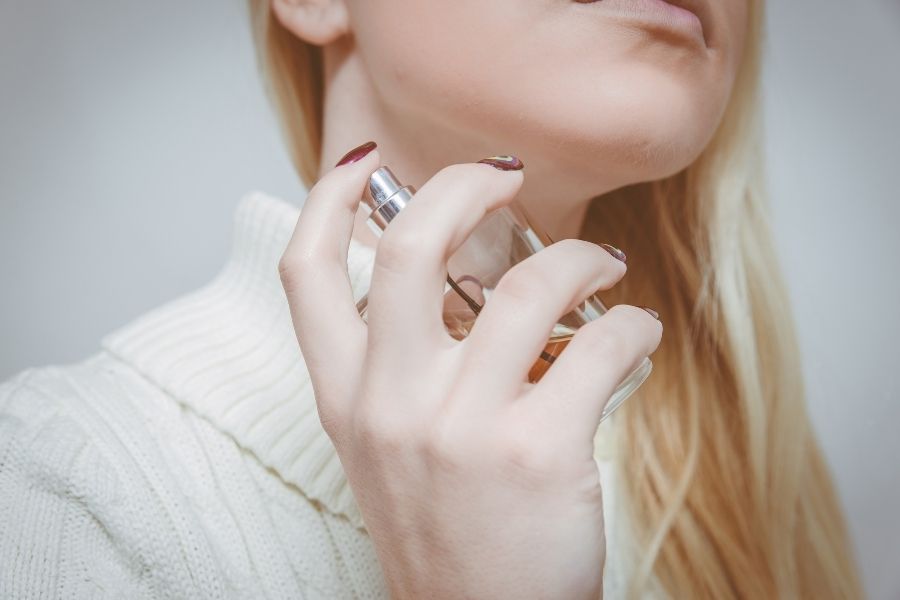
Fragrance layering changed everything for me, and it’ll probably change things for you too. Forget about smelling like everyone else who bought the same bottle from Sephora. This is about creating something that screams “you” from across the room. I’m talking about mixing scents like a mad scientist, but instead of explosions, you get compliments.
You know that feeling when someone walks by and their scent makes you turn around? That’s what happens when people nail layering fragrances. It’s not magic, though it feels like it. It’s just knowing which scents play nice together and which ones fight like cats in a bag.
The coolest part? Your scent actually tells a story throughout the day. Morning you might smell like fresh citrus and coffee, but by evening, those deeper notes kick in and suddenly you’re mysterious and alluring. It’s like having a fragrance wardrobe that changes clothes without you doing anything.
Getting Started with Fragrance Layering
Fragrance layering isn’t rocket science, but it’s not exactly fool-proof either. You’re basically becoming your own perfumer, which sounds fancier than it is. Start simple. Grab two scents you already own and see what happens when they meet on your skin.
Here’s the thing nobody tells you: your skin is picky. What smells incredible on your best friend might smell like wet dog on you. That’s why testing on paper strips is basically useless. Your skin chemistry is the secret ingredient that makes or breaks any scent combining technique.
I learned this the hard way after buying a $200 niche fragrance that everyone raved about online. On me? It smelled like old gym socks mixed with expired flowers. But layer it under something citrusy? Pure gold. Sometimes the most expensive mistake teaches you the best lesson.
How Fragrance Notes Actually Work
Think of perfume like a three-layer cake, except instead of sponge and cream, you’ve got top, middle, and base notes. The top notes are the attention-seekers that hit you first, then disappear faster than your paycheck. Middle notes stick around for the main event, and base notes? They’re the ones still hanging around at 2 AM.
When you’re doing layered fragrance blends, you’re basically stacking these cakes on top of each other. Sometimes you get a beautiful towering masterpiece, sometimes you get a collapsed mess that belongs in the trash. The trick is figuring out which notes complement each other instead of wrestling for dominance.
Your body heat, stress levels, even what you ate for lunch can change how these layers develop. I once had a gorgeous rose-vanilla combo turn into something that smelled like pizza after I had garlic bread. Bodies are weird like that.
Basic Rules That Actually Matter
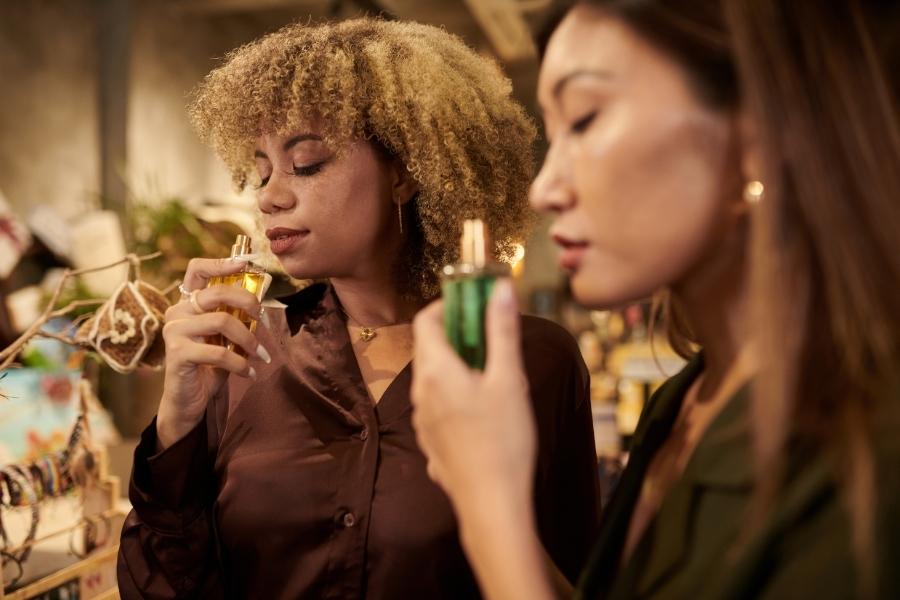
Let’s talk about fragrance layering rules that won’t make your eyes glaze over. First rule: patience beats enthusiasm every single time. You wouldn’t layer cake frosting on hot cake, right? Same logic applies here. Let your first fragrance settle before adding the next layer.
Start with brands that play well together. Most perfume houses design their scents with some overlap in mind, so you’re less likely to create something that makes people cross the street to avoid you. It’s like buying a matching outfit instead of randomly grabbing pieces from different stores.
The art of scent mixing requires a light hand and a heavy dose of common sense. If you can smell yourself from arm’s length, you’ve probably gone overboard. The goal is intrigue, not assault. Think whisper, not megaphone.
Building Your Scent Toolkit
Your custom fragrance creation starts with smart shopping, not impulse buying. Instead of collecting full bottles like Pokemon cards, focus on versatile bases that work with multiple partners. Vanilla, sandalwood, and light musks are the little black dresses of the fragrance world.
Single-note oils are your secret weapons. A tiny bottle of pure rose or bergamot oil gives you surgical precision in your blending. These aren’t expensive, and a little goes a ridiculously long way. I’ve had the same bottle of sandalwood oil for three years, and it’s still going strong.
Keep notes on what works and what doesn’t. Your nose has a terrible memory, and what seems like an obvious combination today might completely escape you next week. I use my phone’s note app, but a notebook works just as well. Future you will thank present you for this habit.
Advanced Fragrance Layering Tricks
Ready for some advanced fragrance layering that’ll make you feel like a pro? Try contrast layering. This is where you pair opposites to create tension that’s actually pleasant. Think fresh ocean spray over warm amber, or bright grapefruit dancing with deep patchouli.
Signature scent development happens when you find your golden ratio. Maybe it’s always starting with the same base and switching up the top layers based on your mood or the season. Or perhaps you’ve discovered that adding just a tiny hint of jasmine to anything makes it uniquely yours.
The real game-changer is understanding that personalized perfume blending isn’t about following recipes. It’s about developing your nose and trusting your instincts. Some of my best combinations happened by accident when I was lazy about washing my wrists between tests.
Seasonal Scent Strategies
Spring calls for fragrance layering that feels like opening windows after a long winter. Green notes mixed with light florals, maybe a touch of rain-soaked earth if you’re feeling adventurous. The idea is freshness without being boring.
Summer heat amplifies everything, so your fragrance combination techniques need to account for that. What smells perfect in air conditioning might become overwhelming in 90-degree weather. Stick to lighter bases and let citrus do the heavy lifting.
Winter is playground time for gourmand layering experiments. This is when you can pile on the vanilla, spices, and cozy woods without suffocating anyone. Think cashmere sweater in scent form, something that makes people want to get closer rather than back away.
Professional Secrets That Actually Work
Here’s what perfumers don’t usually share: expert scent layering tips often involve breaking the rules everyone else follows. Sometimes the “wrong” combination creates something unexpectedly brilliant. I’ve had great success pairing baby powder scents with dark, smoky fragrances.
Fragrance architecture sounds fancy, but it’s just thinking strategically about where you apply each layer. Heavy bases go on pulse points, lighter scents can go on clothes or hair, and sometimes the most interesting effects happen when you spray something on your back where you can’t consciously smell it but others can.
The timing game matters more than most people realize. Multilayer perfume techniques work best when you stagger applications throughout your getting-ready routine. First layer while your hair is drying, second layer after you get dressed, final touches right before you leave.
Understanding What Goes with What
Fragrance family pairing doesn’t have to be complicated. Citrus plays well with literally everything, so when in doubt, add lemon or bergamot. Florals love woody bases, and orientals need something fresh to keep them from becoming too heavy.
Woody fragrance layering offers the most foolproof options for beginners. Cedar, sandalwood, and vetiver are like the reliable friends who get along with everyone at the party. They provide a stable foundation that can handle almost any top note you throw at them.
Skip the overly complex combinations until you’ve mastered the basics. Two or three layers max until you really know what you’re doing. More isn’t always better, and sometimes it’s just confusing.
Developing Your Personal Style
Your individual scent signature should feel as natural as your favorite pair of jeans. Some people gravitate toward subtle combinations that barely register until someone gets close. Others prefer bold statements that announce their arrival from across the room.
Bespoke fragrance journey sounds intimidating, but it’s really just trial and error with better vocabulary. Pay attention to what makes you feel confident and what gets positive reactions. Your perfect combination might break every rule in the book, and that’s perfectly fine.
The psychological side of custom scent creation is real. Certain combinations can instantly boost your mood or make you feel more attractive. I have a confidence blend that I save for job interviews and first dates, and it’s never let me down.
Building a Smart Collection
Fragrance wardrobe for layering requires strategy over impulse buying. Think about cost per wear, not cost per bottle. A $30 oil that you use three times a week is better value than a $300 niche fragrance that sits on your shelf looking pretty.
Essential oils for fragrance layering give you the biggest bang for your buck. A few high-quality oils can transform your entire existing collection. Rose, sandalwood, vanilla, and bergamot oils are like having a Swiss Army knife for your scent experiments.
Organization saves money and sanity. Nothing’s worse than buying something you already own because you forgot about it. Keep everything visible and accessible, and for the love of all that’s fragrant, label your successful combinations clearly.
When Things Go Wrong
Fragrance blending errors happen to everyone, even people who should know better. Too much, wrong timing, incompatible chemistry – we’ve all been there. The good news is that most mistakes are fixable or at least educational.
Incompatible scent mixing usually announces itself within the first few minutes. If something smells off right away, it’s probably not going to improve with time. Trust your nose and wash it off before you leave the house and regret it all day.
Sequential fragrance application timing mistakes are common and frustrating. Applying the second layer too quickly often creates a muddled mess instead of a harmonious blend. When in doubt, wait longer than you think you need to.
Fixing Scent Disasters
When fragrance combinations go wrong, don’t panic. Sometimes waiting it out works better than scrubbing frantically with soap. What smells terrible in the first ten minutes might mellow into something interesting after an hour.
Adding a neutral fragrance bridge can sometimes save a disaster. A tiny amount of vanilla or clean musk can smooth out harsh edges and make incompatible scents play nicer together.
Learn from every failure. Document what went wrong and why, because patterns emerge over time. Maybe you always overdo citrus, or maybe your skin doesn’t play nice with certain synthetic molecules. These insights make future experiments more successful.
Fragrance layering transforms your relationship with scent from passive consumer to active creator. Sure, you’ll make some combinations that smell like regret, but you’ll also discover blends that make you feel like the most interesting person in any room.
The best part about custom fragrance creation is that it’s never really finished. Your tastes evolve, new fragrances launch, and inspiration strikes at the weirdest moments. Each successful experiment builds your confidence and expands your olfactory vocabulary.
Ready to start your own fragrance layering adventure? Grab two scents you already own and see what happens. The worst case scenario is five minutes of washing your wrists, but the best case? You might just discover your signature scent that people will associate with you for years to come.