
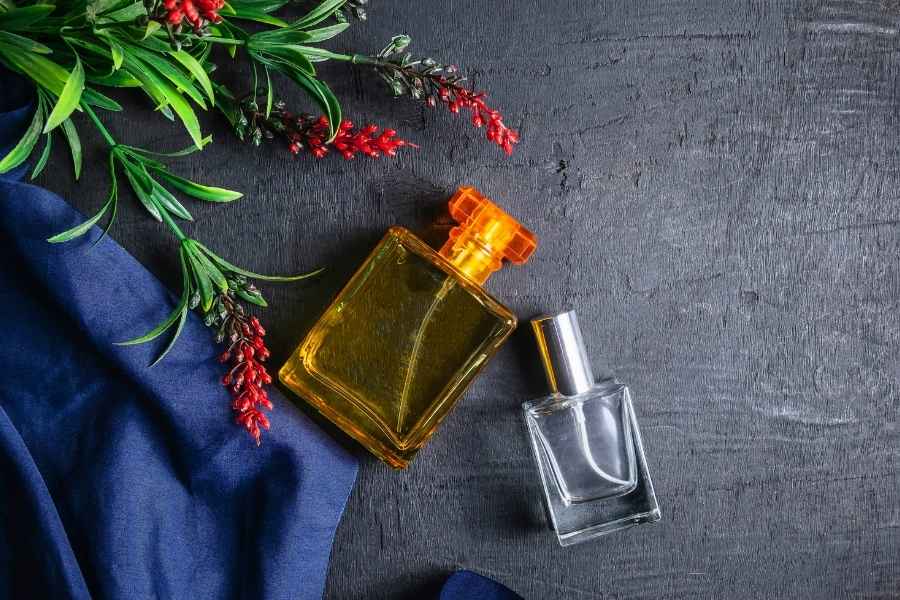
Perfume storage might seem boring, but it’s what separates smart collectors from people who watch their bottles go bad. Your favorite fragrance is like that expensive wine you’ve been saving. You wouldn’t toss it on a sunny counter and hope for the best, right?
Each bottle tells its own story. Maybe it’s the scent you wore on your wedding day or that rare find from a tiny Parisian shop. When you get the proper fragrance preservation thing right, you’re protecting way more than liquid in a bottle.
Here’s what nobody tells you: bad storage turns amazing perfumes into weird-smelling disasters faster than you think. Heat, light, and moisture are basically perfume killers. But flip the script with some smart moves, and your fragrances will smell incredible for years.
Why Perfume Storage Actually Matters
Every bottle holds this crazy complex mix of molecules that react to everything around them. It’s like a house of cards. One wrong move and the whole thing crashes down.
Heat makes those delicate compounds break apart way too fast. Your top notes disappear. Your heart notes get weird. Your base notes start smelling like old pennies or something rancid you’d rather forget.
Light hits your perfume like a wrecking ball. UV rays literally change the molecules into completely different stuff. That’s not aging gracefully. That’s chemical warfare.
Think about leaving wine in your hot car during summer. Same deal with perfumes, except way worse because you can’t just grab another bottle of the same batch once it’s gone.
Perfumers spend decades mastering their craft. Some ingredients cost more than jewelry. When you buy quality stuff, you’re paying for serious artistry. Treating it like garbage makes zero sense.
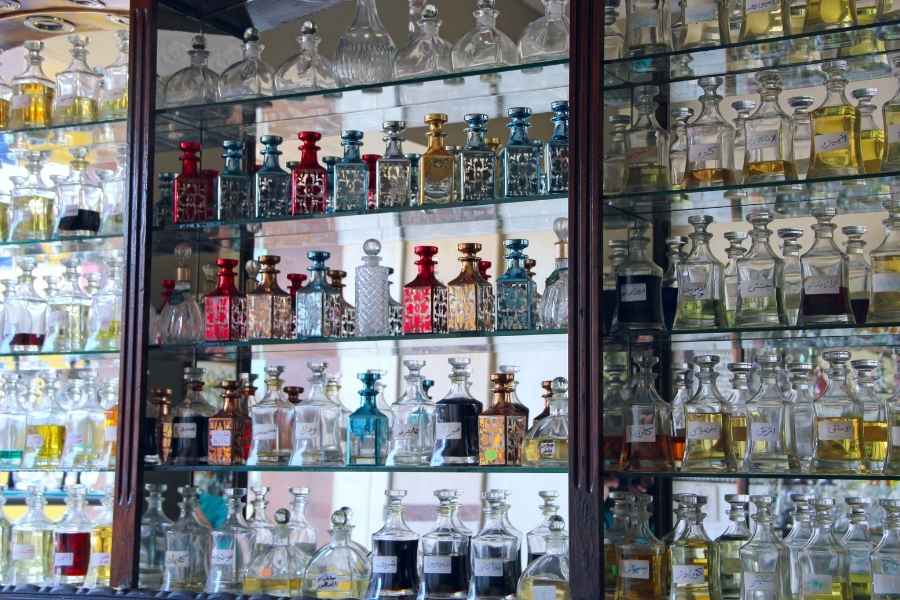
The Real Science Behind Long-lasting Fragrance Storage
Fragrance molecules are constantly moving and bumping into each other. When things get hot, they go crazy and start breaking bonds they’re supposed to keep.
Cold isn’t much better. Some ingredients turn solid or separate completely. Your carefully balanced scent becomes a science experiment gone wrong.
Regular room lights slowly cook your perfumes. Fluorescent bulbs are even worse. Even fancy UV-protective bottles can only do so much when you leave them under constant lighting.
Water messes with everything. It gets into reactions it has no business joining. Your alcohol base gets cloudy. Your oils start breaking down. Humidity basically invites chemistry chaos into your bottles.
The moment you pop that first spray, oxygen starts doing its damage. It’s like leaving an apple slice out. Everything starts oxidizing and turning brown, except with perfume it smells terrible instead of just looking gross.
Perfume Storage Location Hunt
Most people stick their bottles in the bathroom because it’s convenient. Big mistake. Steam from hot showers plus temperature swings plus moisture equals perfume death sentence.
Your dresser by the window looks pretty but kills fragrances slowly. Even indirect sunlight does damage over months and years.
Try your closet instead. Usually cooler, darker, and way more stable than anywhere else in your bedroom. Just avoid spots near heating vents or exterior walls that get hot or cold.
Some people go all out with wine fridges for their best bottles. Sounds crazy but actually works incredibly well for proper fragrance preservation. Consistent cool temps plus total darkness equals perfume paradise.
Basements work great sometimes but can be humidity nightmares. If you go this route, get a dehumidifier and maybe some sealed containers for extra protection.
Temperature Control for Keeping Fragrances Cool
Somewhere between 60-68°F works best. Think wine cellar vibes. This range keeps molecules calm without making anything crystallize or separate.
Skip anywhere with daily temperature roller coasters. Rooms with big windows, spaces near heaters, spots next to appliances that pump out heat. Even small changes stress your fragrances over time.
Cars are absolute perfume killers. Summer heat turns vehicles into ovens that literally cook your bottles in hours. Never leave fragrances in cars, on windowsills, or near anything that gets hot.
If you live somewhere with crazy weather, investing in climate control makes sense. Small wine coolers or beauty fridges keep things perfectly stable. Just don’t freeze anything.
Bigger collections actually stay more stable than single bottles. Multiple bottles help even out temperature changes. It’s like thermal mass in construction.
Light Protection for Shielding Your Scent Investment
Light damage builds up slowly until boom, your perfume smells completely different. UV radiation literally breaks molecules apart and builds new ones that smell awful.
Dark storage wins every time, but total darkness isn’t always practical. If you need some light, minimize it as much as possible and absolutely avoid direct sun.
Dark bottles help but aren’t miracle workers. Amber and cobalt glass blocks more light than clear, which is why smart perfume companies choose darker packaging.
UV-resistant perfume storage doesn’t have to mean complete darkness. Window films, protective boxes, or display cases with UV filtering can help while still letting you see your collection.
Even short bright exposures add up over time. Smart collectors put bottles back in boxes or dark storage right after using them instead of leaving them out as decoration.
Air Exposure and Minimizing Oxidation Damage
Every spray introduces oxygen that starts breaking down your perfume immediately. You should still use your fragrances, just be smart about air contact.
More surface area equals faster oxidation. Wide-mouth bottles go bad faster than narrow ones. Spray mechanisms actually protect better than splash bottles because they limit air contact.
Reducing perfume air exposure gets really important when bottles are half empty. More air space means faster oxidation. Some collectors transfer leftover perfume into smaller bottles, though this adds more air exposure during the process.
Always close bottles tight after using them. Even tiny gaps let air sneak in over months and years. Some expensive perfumes come with extra seals or special gas-filled bottles that block oxygen completely.
For really rare stuff, wine preservation systems work great. They replace oxygen with neutral gases that stop oxidation cold. Might seem excessive but makes sense for irreplaceable bottles.
Humidity Control for Perfume Storage
Moisture sneaks into chemical reactions and messes everything up. Water molecules don’t play nice with fragrance oils or alcohol bases. You get weird smells, cloudiness, and separation.
Aim for 45-55% humidity. Same range wine collectors use. Not too dry to mess with cork seals but not wet enough to cause problems.
Bathrooms fail mainly because of humidity spikes, not just temperature issues. Shower steam creates condensation inside and outside bottles. Water damages labels, corrodes caps, and changes what’s inside.
Basements can be great for temperature but terrible for moisture in some places. Get dehumidifiers and humidity meters if you go this route. Silica packets help too, just don’t let them touch bottles directly.
Professional storage handles humidity automatically along with temperature. That’s why serious collectors and retailers invest in complete climate systems.
Smart Containers and Best Practices for Perfume Storage
Original boxes usually work best because companies design them specifically for their formulas. Those cardboard boxes you throw away actually protect against light, temperature changes, and damage.
Keep boxes for authenticity info too. Production dates, batch numbers, and verification details matter for insurance or resale. Smart collectors track everything like wine enthusiasts.
Perfume display cases look amazing and protect well if you get good ones with UV filtering and climate control. Expensive but worth it for serious collections.
Most people need different approaches for daily-wear versus special bottles. Regular fragrances can live in convenient spots while rare ones deserve the full protection treatment.
Store most bottles upright unless they have cork elements that need to stay moist. Spray mechanisms work better vertical to avoid clogging.
Travel and Portable Perfume Storage Solutions
Traveling with perfume means dealing with luggage temperature extremes, pressure changes, and constant movement. All bad for fragrance stability.
Travel-size perfume storage beats full bottles for tons of reasons beyond airline rules. Smaller bottles have less air space and cost less to replace if something goes wrong. They’re also easier to store properly in hotel rooms.
Decanting into travel atomizers needs clean equipment and compatible materials. Use quality glass or safe plastic atomizers. Clean thoroughly between different fragrances to avoid mixing disasters.
Pack smart with soft wrapping for temperature insulation. Carry-on luggage avoids extreme cargo temperatures. Small cooling packs help in summer heat but don’t freeze anything.
Hotel storage requires creativity since most rooms have terrible conditions. Bathrooms are too humid. Rooms have big windows creating temperature swings. Hunt for closets or drawers away from heat sources.
Warning Signs Your Perfume Storage Needs Work
Color changes usually show up first. Clear or light fragrances turn yellow, amber, or darker. Some aging is normal but dramatic shifts mean oxidation or light damage.
Scent changes are obvious once they happen. Top notes smell harsh or metallic. Heart notes get sour or overpowering. Base notes turn rancid or gross-sweet. Any major change from the original means storage problems.
Physical changes like cloudiness, separation, or crystals mean serious chemical reactions happened. Usually from temperature extremes, humidity, or contamination.
Perfume longevity issues show up as weaker performance rather than obvious smell changes. If your favorite fragrance seems less strong or fades faster than before, storage conditions might be breaking down key compounds.
External damage like faded labels, sticky residue, or corroded caps hints at internal problems. While cosmetic issues don’t always mean scent damage, they often happen together.
Pro-Level Perfume Collection Storage Tricks
Serious collectors borrow ideas from wine people, art conservators, and museums. Detailed inventories track purchase dates, storage spots, and condition notes for every bottle.
Climate monitoring catches problems before they cause damage. Digital meters with data logging help spot issues. Some collectors use smart home alerts if conditions get bad.
Investment-grade perfume preservation might justify professional storage facilities for rare stuff. Climate-controlled units designed for wine or art provide perfect conditions plus security.
Rotation strategies balance preservation with actually enjoying your collection. Designate some bottles as daily users while treating others as special occasion savers. This prevents collecting beautiful bottles that never get opened.
Good documentation helps with insurance, resale, or just personal reference. Notes about where you bought things, how you stored them, and any changes create valuable records for making smart preservation decisions.
Your collection deserves protection that matches its value to you. Perfume storage doesn’t need fancy equipment or complicated systems. Just understanding and consistency.
Small efforts in proper storage pay off huge in extended life, preserved quality, and maintained value. Whether you own three bottles or three hundred, these principles work the same way.
Consistent conditions beat perfect conditions every time. A slightly warm closet that stays steady preserves fragrances better than an ideal spot with constant changes.
Ready to stop letting heat, light, and humidity slowly destroy your favorite scents? Your future self will definitely thank you for protecting what matters today.