
Welcoming a new member into the family brings a whirlwind of joy and an overwhelming desire to protect that velvety, soft skin. However, many parents are surprised to find that a newborn’s complexion isn’t always picture-perfect; in fact, encountering various skin conditions in babies is a standard part of the developmental journey. Their skin is significantly thinner than an adult’s, making it a delicate barrier that reacts quickly to the environment. Understanding these fluctuations is the first step toward providing the gentle skincare your little one deserves.
Navigating the world of pediatric dermatology can feel like learning a new language while you are already exhausted. If you have noticed a red patch or a mysterious bump, do not panic; most of these issues are temporary and easily managed with the right approach at home. Research from the American Academy of Pediatrics suggests that most neonatal skin issues are self-limiting and do not require aggressive medical intervention.
| Condition | Common Appearance | Typical Age of Onset |
| Baby Acne | Small red or white bumps | 2 to 4 weeks old |
| Cradle Cap | Yellow, crusty scales | 0 to 3 months old |
| Diaper Rash | Red, irritated patches | Anytime in diapers |
The key to a happy baby is often found in a calm, consistent routine that respects their sensitive skin. Let’s explore how to identify and soothe the most frequent visitors to your nursery.
Understanding the Complexity of Skin Conditions in Babies
When we talk about skin conditions in babies, we are looking at a biological system that is still learning how to regulate moisture and defend against irritants. From the moment of birth, a baby’s skin begins a rapid adaptation process, often resulting in temporary flares that look much worse than they actually feel. Whether it is a hormonal shift or a reaction to a new laundry detergent, these conditions are usually a sign that the skin is simply doing its job of reacting to the world.
Managing these moments requires a less is more philosophy, avoiding harsh chemicals that can strip away natural oils. By staying informed, you can distinguish between a harmless rash and something that might need a doctor’s eye.
According to various clinical studies, an infant’s skin barrier is up to thirty percent thinner than that of an adult, which explains why they are so prone to irritation. This heightened permeability means that products applied to the skin are absorbed more readily into the bloodstream.
Decoding the Mystery of Baby Acne
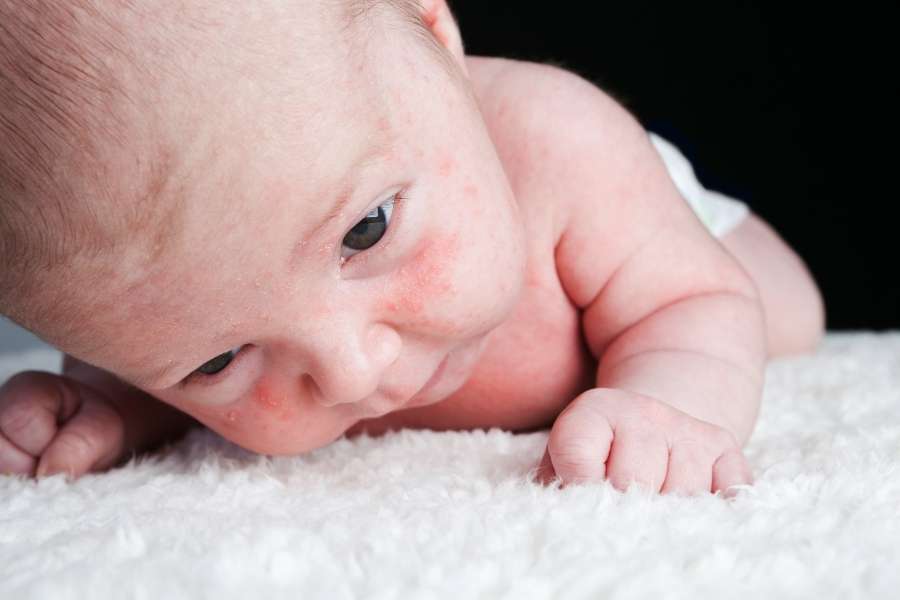
If your newborn suddenly develops what looks like a teenage breakout, you are likely witnessing baby acne. This condition usually appears on the cheeks and nose and is thought to be triggered by maternal hormones still circulating in the baby’s system. While it might be tempting to reach for a cleanser, the best treatment for baby acne is simply patience and warm water. Most cases clear up on their own within a few weeks without leaving any marks behind.
Resist the urge to squeeze or pick at these tiny bumps, as this can lead to infection. Keeping the face clean and dry is your best strategy for a clear recovery.
The Gentle Approach to Managing Cradle Cap
Cradle cap can look a bit alarming, manifesting as thick, yellow, or oily scales on the scalp, but it is essentially the infant version of dandruff. While it is not itchy or painful, many parents want to know how to get rid of cradle cap safely in newborns to restore that sweet baby-scented head. A gentle massage with a natural oil followed by a soft-bristled brush can help loosen the scales before a bath.
Avoid using your fingernails to scrape the scales, as the skin underneath is very tender. Think of it as a spa treatment rather than a cleaning chore.
| Method | Benefit | Frequency |
| Oil Massage | Softens the crusts | Before baths |
| Soft Brushing | Gently removes scales | Daily |
| Mild Shampoo | Cleanses the scalp | 2-3 times a week |
How to Treat Baby Eczema Naturally at Home
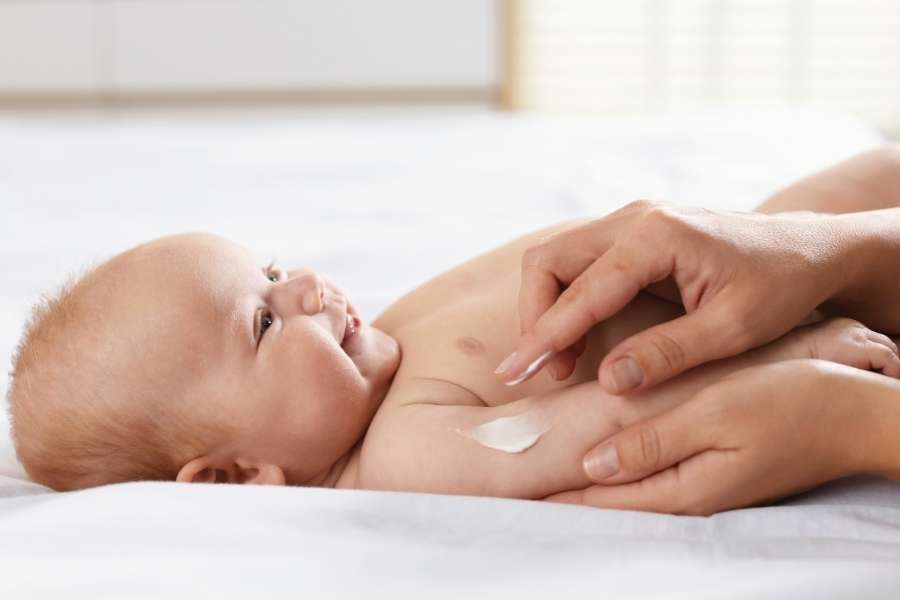
One of the most persistent skin conditions in babies is eczema, which presents as dry, itchy, and red patches often found on the face or in the folds of the elbows and knees. It can be heartbreaking to watch your little one scratch, but knowing how to treat baby eczema naturally at home can provide immense relief. The goal is to lock in moisture using fragrance-free, hypoallergenic ointments immediately after a lukewarm bath, creating a protective second skin.
It is also vital to identify triggers, such as wool fabrics or harsh soaps, which can turn a small dry patch into a full flare-up. Keeping the nursery at a cool, stable temperature also helps prevent the sweating that often irritates baby eczema.
Experts at the National Eczema Association emphasize that lukewarm water is superior to hot water for maintaining the integrity of the skin’s lipid barrier. Over-bathing can actually exacerbate the condition by removing essential moisture.
Spotting the Difference Between Baby Acne and Eczema on Face
Parents often struggle with the difference between baby acne and eczema on face, but the texture is the biggest giveaway. While acne consists of distinct bumps and pustules, eczema is characterized by a scaly, sandpaper-like texture that feels very dry to the touch. Furthermore, acne rarely bothers the baby, whereas eczema can cause fussiness due to the intense itching it provides.
If the rash seems to be spreading or oozing, it is always wise to consult a pediatrician to rule out a secondary infection. Early intervention is the key to comfort.
Finding the Best Cream for Diaper Rash on Sensitive Skin
Diaper rash is an almost universal experience, caused by the combination of moisture, friction, and the acidic nature of waste. When searching for the best cream for diaper rash on sensitive skin, look for products containing zinc oxide, which acts as a powerful moisture barrier. The gold standard for treatment, however, is air time, allowing your baby to wiggle around without a diaper for short periods to let the skin breathe and heal naturally.
Change diapers frequently and use alcohol-free wipes to ensure the area stays as dry and clean as possible. A little prevention goes a long way in keeping those tiny bums happy.
Long-term Care for Your Baby’s Skin Health
Beyond treating specific skin conditions in babies, maintaining a proactive gentle skincare routine is the best way to prevent future issues. This involves using free and clear detergents for all family linens and choosing clothing made of organic cotton. By treating your baby’s skin as the delicate organ it is, you create an environment where health and comfort can thrive.
Remember that every baby is unique; what works for one may not work for another. Trust your instincts and keep a simple log of any changes you notice in their skin or behavior.
| Skincare Habit | Impact | Why It Matters |
| Short Baths | High | Prevents skin from drying out. |
| Cotton Clothes | Medium | Reduces friction and irritation. |
| Fragrance-Free | High | Minimizes the risk of allergic reactions. |
When to Seek Professional Pediatric Dermatology Advice
While most skin conditions in babies are mild, there are times when professional help is necessary. If a rash is accompanied by a fever, if it looks blistered, or if it doesn’t improve after a few days of home care, a specialist in pediatric dermatology can provide a more targeted treatment plan. They can offer prescription-strength creams or allergy testing that can provide a clearer path forward for your child’s comfort.
Don’t hesitate to reach out to experts; having peace of mind is just as important for the parent as the treatment is for the child. You are doing a great job navigating these early hurdles.
Frequently Asked Questions about Skin Conditions in Babies
Is it safe to use essential oils for skin conditions in babies?
While essential oils are natural, they are incredibly concentrated and can be far too potent for baby skin. Many oils, like lavender or tea tree, can actually cause contact dermatitis or allergic reactions in newborns. It is generally recommended to avoid all essential oils until the baby is at least six months old, and even then, they should be heavily diluted and tested on a small patch of skin first. Stick to pediatrician-approved carrier oils like sunflower or coconut oil for basic moisturizing needs.
How can I prevent my baby from scratching their eczema patches?
Preventing scratches is crucial to avoid infections, but it is easier said than done with a wiggly infant. Keeping your baby’s fingernails trimmed very short and smooth is the first line of defense. You can also use scratch mittens or fold-over sleeves on onesies, especially during sleep times when they might scratch unconsciously. Providing a cool compress to the itchy area can also help numb the sensation and reduce the urge to itch.
Does the mother’s diet affect skin conditions in babies who are breastfeeding?
In some cases, yes, particularly with baby eczema. If a baby has a true food allergy, proteins from the mother’s diet like cow’s milk, soy, or eggs can pass through breast milk and trigger a skin reaction. However, this is not the cause of every rash, and you should not restrict your diet without consulting a doctor or a lactation consultant first. Often, environmental factors are more likely culprits than the mother’s afternoon snack.