

Raising confident kids feels like trying to solve a puzzle with half the pieces missing sometimes. You see that mom at the playground whose kid marches up to new friends without hesitation. Meanwhile, your little one clings to your leg like it’s a life raft. Here’s what I’ve learned: confidence isn’t some magical trait kids either have or don’t have. It grows from tiny moments that happen every single day. Think about how you learned to ride a bike. Nobody handed you confidence on a silver platter. You wobbled, fell, got back up, and eventually found your balance. Building your child’s self-worth works exactly the same way. These aren’t fancy parenting tricks that require a psychology degree. They’re simple things you can start doing tomorrow morning that turn ordinary Tuesday afternoons into confidence-building opportunities your kid will carry forever.
The Foundation of Raising Confident Kids Through Morning Rituals
Your morning sets the whole day’s mood, doesn’t it? Same goes for your kids. When mornings feel chaotic and rushed, everyone starts the day feeling frazzled. But when you build in small pockets of connection and calm, something shifts. Emotional foundation gets stronger with each peaceful start.
Morning Affirmations That Actually Work
Forget those cheesy affirmations that make everyone cringe. You know the ones. “I am smart and beautiful and…” Yeah, kids see right through that fake stuff. Instead, try catching them doing something real. When your daughter struggles with her shoelaces for the third time, don’t swoop in immediately. Watch her figure it out. Then say, “Wow, you didn’t give up even when that got tricky.” That hits different than empty praise. Positive self-talk happens when kids hear you notice their actual efforts. Building resilience in children starts when they realize you see them really trying, not just when they nail it perfectly. Kids have built-in baloney detectors. They know when you mean it and when you’re just saying words.
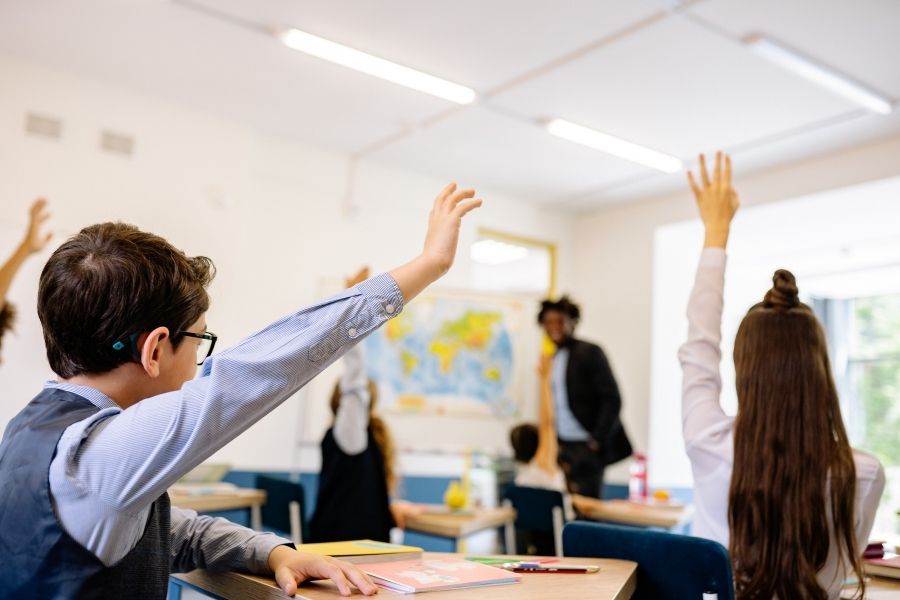
Creating Safe Spaces for Raising Confident Kids to Express Themselves
Every kid needs somewhere they can be completely weird and wonderful without anyone trying to fix them. This isn’t about buying expensive furniture or painting walls special colors. It’s about your kid knowing they can tell you about their dreams, fears, or that totally bizarre thing that happened at lunch. Fostering independence in kids happens when they trust you with their real thoughts.
The Art of Active Listening in Child Development
Real listening is harder than it sounds. When your son storms in complaining about his teacher, your brain immediately starts cooking up solutions or lectures. Stop. Take a breath. Try this instead: “Man, that sounds really frustrating.” Just reflect what you heard. That’s it. Confident children learn to solve problems when they feel heard first. “It sounds like you felt pretty angry when she said that” shows your kid that their feelings make sense. Emotional intelligence for kids grows when they learn their emotions have names and that you take them seriously.
Encouraging Creative Expression Without Judgment
Your four-year-old’s drawing looks like a tornado hit a crayon factory. Your eight-year-old’s song sounds like a cat in distress. Perfect. These messy, loud, completely imperfect creations are windows into their minds. When you ask “What’s happening in this part?” instead of “What is it supposed to be?” you’re telling them their imagination matters. Positive parenting strategies include getting genuinely curious about their weird, wonderful ideas. “Tell me more about this character” or “What gave you this idea?” shows respect for how their brain works. They’ll keep sharing when they know you actually want to understand their world.
Daily Praise Techniques for Raising Confident Kids Effectively
“Good job” has lost all meaning, hasn’t it? We say it about everything from putting on shoes to breathing. Kids tune it out faster than elevator music. The praise that actually builds confidence is specific and real. Process-focused praise works because it notices what they actually did, not just what they accomplished.
Moving Beyond “Good Job” to Specific Recognition
Instead of generic cheerleading, try narrating what you saw. “You kept rebuilding that tower even after it crashed four times” tells your kid exactly what impressed you. Their persistence. Their problem-solving. Their refusal to quit. Intrinsic motivation in children kicks in when they understand that their effort and thinking matter more than just being naturally good at stuff.
This kind of feedback teaches kids something powerful: they have control over their success. When they mess up next time, they remember that trying different approaches worked before. Building self-esteem in children happens when they internalize their own power to figure things out and keep going.
The Power of Age-Appropriate Responsibilities in Child Confidence Building
Responsibilities aren’t punishment. They’re your way of saying “I trust you with important stuff.” When you give your kid real jobs that matter to your family, you’re basically handing them a confidence boost wrapped up as a chore. Teaching kids independence starts small but builds into something bigger.
Household Tasks That Build Confidence Naturally
Your three-year-old can totally sort socks by color. Your seven-year-old can make their own sandwich for lunch. These aren’t just tasks to check off your list. They’re confidence-building activities disguised as regular life. When kids contribute for real, they feel like they belong and matter. Pick jobs that stretch them just a little without breaking their spirit.
Start with one thing and let them master it before adding more. Developing self-confidence in kids happens through winning at small things over and over. Don’t jump in when they’re struggling unless they ask. Let them work through the frustration. Your job is coaching from the sidelines, not playing the game for them.
Raising Confident Kids Through Meaningful Family Traditions
Traditions don’t have to be fancy Pinterest projects. Some of the best ones happen by accident and stick around because they feel good. Family bonding activities become the stories your kids will tell their own children someday. They create this sense of “this is who we are” that kids carry everywhere.
Creating Micro-Traditions That Matter
Maybe you always make pancakes shaped like animals on Sunday mornings. Maybe you have a special knock for your kid’s bedroom door. Maybe you tell stories about your day during dinner cleanup. These tiny rituals tell kids they’re part of something stable and special. Building family connections happens in moments that feel ordinary but somehow become sacred.
Let your kids help create these traditions. When they suggest adding whipped cream mustaches to pancake Sunday or making up silly voices for bedtime stories, they’re claiming ownership of family culture. This collaborative approach to raising confident kids shows them that their ideas shape family life in real ways.
Conflict Resolution Skills That Support Raising Confident Kids
Arguments happen. Feelings get hurt. Someone always wants the last cookie. How you handle these moments teaches your kids everything about relationships and fairness. Teaching conflict resolution to children means showing them that people who care about each other can disagree and still figure things out together.
The Family Meeting Approach to Building Communication Skills
Family meetings sound formal, but they’re really just organized conversations where everyone gets heard. Even your five-year-old can participate by suggesting solutions or sharing how they feel. These conversations prove that everyone’s voice counts and that problems have solutions. Communication skills for kids develop when they practice speaking up and listening in a safe space.
When conflicts pop up, focus on what to do differently next time instead of who was wrong. “What could we try tomorrow?” teaches kids that mistakes are just information, not disasters. Problem-solving skills for children get stronger when they help create solutions instead of just receiving punishments.
Celebrating Growth and Progress in Raising Confident Kids
Confidence comes from seeing yourself get better at stuff, not from being perfect right away. Acknowledging children’s progress means celebrating the messy middle of learning, not just the shiny end result. This completely changes how kids think about challenges and mistakes.
The Growth Mindset Approach to Daily Interactions
Every conversation is a chance to reinforce that brains grow stronger with practice. When your kid struggles with math homework, skip “you’re so smart” and try “your brain is working really hard to understand this new concept.” Developing growth mindset in kids happens through thousands of tiny moments where you highlight effort over natural ability.
Keep track of improvements, even small ones. Maybe start a family journal where you write down progress and breakthroughs. When your kid sees their growth written down, it becomes real and permanent. They start believing that getting better at things is just what people do.
The Ripple Effect of Raising Confident Kids in Your Daily Life
These seven habits work best when they team up together. Like ingredients in your favorite recipe, each one adds something important to the mix. Consistent parenting approaches create the biggest changes because kids need predictability to feel secure enough to take risks and grow.
Here’s the thing about raising confident kids: you don’t have to be a perfect parent to do this well. Kids need parents who try, mess up sometimes, and keep showing up. Your willingness to keep learning and adjusting teaches them resilience and self-compassion better than any lecture could. Parenting with intentionality just means paying attention to how you respond to your kid, especially when you’re tired or stressed.
Some days will feel like total wins. Others will feel like you’re starting over from scratch. That’s completely normal and human. Supporting child development means playing the long game while being kind to yourself when things go sideways.
These simple daily choices you’re making right now will compound into something amazing. Your kid will grow up believing they can handle whatever life throws at them. They’ll know their thoughts and feelings matter. They’ll understand that effort leads to growth and that mistakes are just part of learning. Isn’t it wild how ordinary moments can add up to extraordinary confidence?