
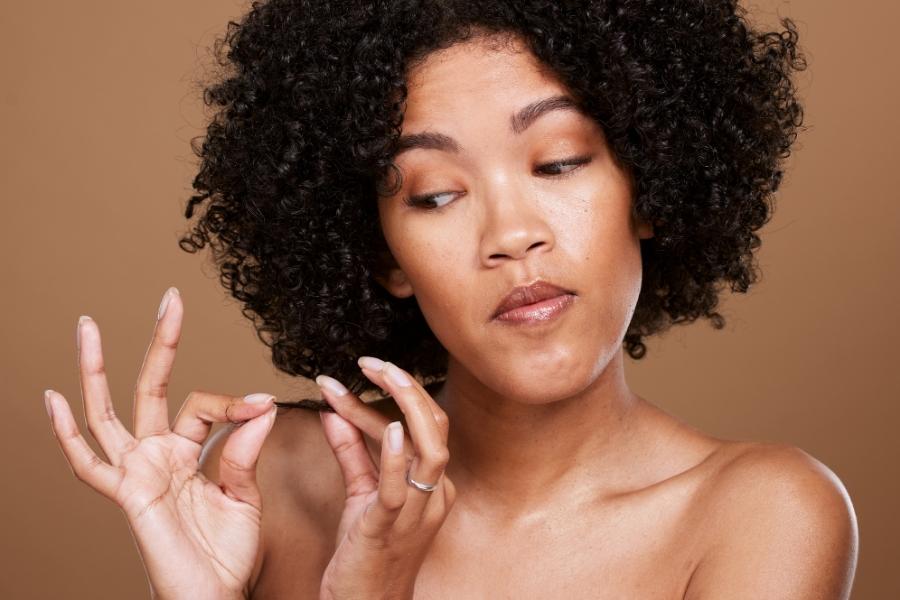
Curly hair care used to drive me absolutely crazy. One day my curls looked like I stepped out of a magazine, the next they resembled a tumbleweed that got struck by lightning. Sound familiar? You’re definitely not alone in this wild ride.
Here’s the thing about curls – they’re basically the rebels of the hair world. While straight hair behaves predictably, our spirals have their own agenda. They shrink when wet, expand in humidity, and seem to change their mind about which products they like from one wash to the next. But once you crack the code (and trust me, there is one), your curls will become your absolute favorite feature.
I’ve spent years figuring out why some days my hair cooperated and others it staged a full revolt. Turns out, curly hair care isn’t rocket science, but it does require throwing out everything you thought you knew about hair care. Your curls have been trying to communicate with you this whole time – we just need to learn their language.
Decoding Your Hair’s Secret Messages
Every curl tells a story, and yours is completely unique. That friend whose routine you’ve been desperately trying to copy? Her hair might look similar to yours, but I guarantee it has different needs.
Curl pattern identification sounds fancy, but it’s really just about paying attention. Most of us have multiple patterns happening on one head. My crown area barely waves while the back forms perfect spirals. Totally normal, slightly annoying when trying to style, but normal nonetheless.
Here’s where it gets interesting – the whole Type 2, 3, 4 system everyone talks about? It’s helpful, but your hair’s porosity matters way more than whether you’re a 3A or 3B. I learned this the hard way after buying every product labeled for my supposed curl type and getting mediocre results.
Hair porosity testing changed everything for me. Suddenly, all those product failures made sense. My hair wasn’t being difficult – I was just speaking the wrong language.
The Glass of Water Trick That Actually Works
Grab a clean strand from your brush and drop it in water. This isn’t some internet myth – it actually reveals how your hair drinks up moisture. Hair that floats stubbornly on top means your cuticles are tightly sealed (low porosity). Hair that sinks like a rock has cuticles that are too open (high porosity). Hair that slowly descends? You hit the porosity lottery.
This simple test explains so much. Why does your hair love certain oils but hate others? Why do some creams make your curls pop while others leave them limp? It’s all about matching products to your hair’s ability to absorb them.
Natural curl care routine starts with understanding these basics. Low porosity hair needs encouragement to accept moisture – think gentle heat and lightweight products. High porosity hair gulps down everything but can’t hold onto it without help from proteins and heavier creams.
Building Your Curl Arsenal Without Going Broke
Let’s talk products, but not in that overwhelming way that makes you want to buy everything on the shelf. Curly hair care products should work with your lifestyle, not against it.
Sulfate-free shampoos for curly hair aren’t just trendy – they’re necessary. Regular shampoos strip away the oils your curls desperately need. But here’s what nobody tells you: you still need to actually clean your hair. Some curl enthusiasts get so afraid of sulfates they barely cleanse at all, leading to buildup that makes curls look flat and lifeless.
I rotate between a gentle sulfate-free shampoo and co-washing, depending on how my scalp feels. Oily day? Shampoo it is. Dry spell? Co-wash saves the day.
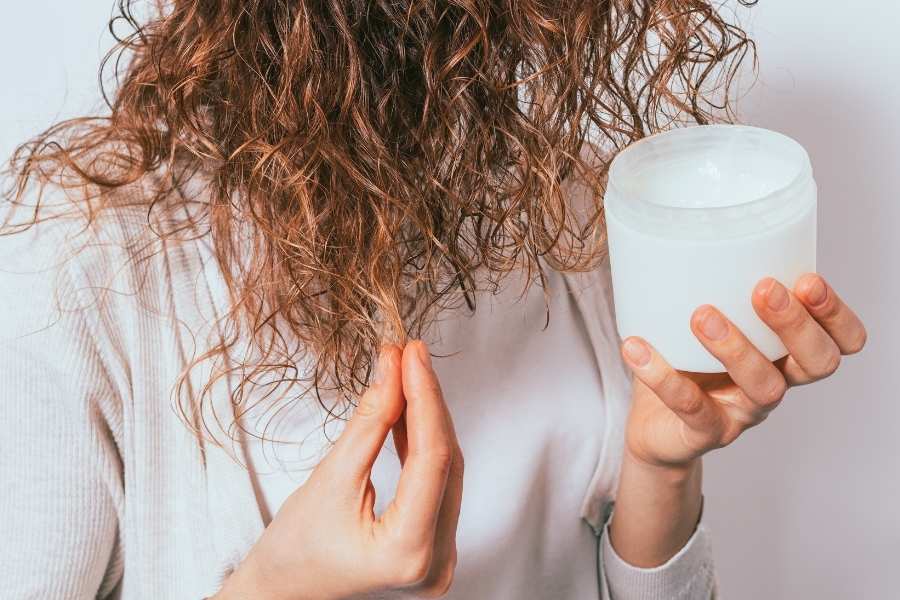
Deep conditioning treatments for curls are like therapy sessions for damaged hair. Protein treatments work when your curls feel stretchy or limp – they need structure rebuilt. Moisturizing masks help when hair feels rough or breaks easily – they need hydration restored.
The Leave-In That Changes Everything
Leave-in conditioners for curly hair are absolutely non-negotiable. They’re like that friend who’s always got your back – providing ongoing support throughout the day. But finding the right one takes some trial and error.
Heavy creams work great for thick, coarse curls but can weigh down fine hair. Light sprays refresh delicate curl patterns without causing limpness. The magic happens when you find that perfect balance between moisture and definition.
Styling products are where personality shines through. Gels create crispy curls that scrunch out beautifully for defined, touchable spirals. Creams give softer, more natural-looking curls with gentle hold. Mousses add bounce and volume without weight – perfect for flat-prone hair.
Why Your Curls Act the Way They Do
Curly hair care makes more sense when you understand the science behind those spirals. Curly hair follicles aren’t round like straight hair follicles – they’re asymmetrical, creating that characteristic curve as hair grows.
This unique shape creates weak spots where hair bends, making curls more prone to breakage. It also means natural oils from your scalp have trouble traveling down twisted strands, explaining why curly hair tends toward dryness.
Moisture retention for curly hair becomes crucial because those lifted cuticles let hydration escape easily. Think of straight hair like a smooth tile roof where water runs off cleanly, while curly hair resembles shingles with gaps where moisture seeps out.
The LOC method (Leave-in, Oil, Cream) works by layering products in order of molecular size. Smaller molecules penetrate first, larger ones seal everything in. Some people prefer LCO method (Leave-in, Cream, Oil) – it depends on your hair’s preferences.
Porosity Changes Everything
Low porosity hair acts like a tightly closed jar – you need warmth to open it up. Heat application for low porosity hair during conditioning helps products actually penetrate instead of just sitting on top.
High porosity hair resembles a sponge with too many holes. Protein treatments for high porosity hair help fill those gaps temporarily, creating smoother cuticles that hold onto moisture better.
Washing Without Waging War
The way you wash sets the stage for great or terrible curl days. Gentle cleansing for curly hair means treating your scalp and strands with respect, not scrubbing like you’re trying to remove permanent marker.
Pre-shampoo treatments sound extra, but they’re actually genius. Apply a bit of oil or conditioner to dry hair before shampooing. This creates a protective barrier that prevents excessive moisture loss during cleansing.
Water temperature matters more than you think. Scalding hot water feels amazing but swells hair cuticles and strips essential oils. Lukewarm water cleans effectively without causing damage. That final cool rinse? It seals cuticles and adds serious shine.
Co-Washing: Not Just a Trend
Co-washing curly hair means using cleansing conditioner instead of shampoo between regular wash days. This isn’t some newfangled trend – it’s actually brilliant for maintaining moisture levels while still removing dirt and buildup.
But co-washing isn’t for everyone. Fine-haired folks or people with oily scalps might need regular shampooing to prevent their roots from looking greasy.
Scalp massage during washing feels incredible and stimulates circulation. Use fingertips, never nails, moving in gentle circles. This distributes natural oils and prevents tangles from forming in the first place.
Deep conditioning should feel luxurious, not rushed. Apply from mid-length to ends, skip the roots unless they’re extremely dry. Steam treatments or hooded dryer time helps conditioner penetrate deeply instead of just coating the surface.
Styling Secrets That Actually Work
Curly hair styling methods can make identical products produce completely different results. Technique matters as much as the products you use.
Wet styling for curly hair works best because curls form their pattern when saturated and maintain that shape as they dry. Apply products to dripping wet hair using “praying hands” method – smooth palms over sections without disrupting the natural curl pattern.
Plopping sounds weird but works amazingly. Wrap styled, wet hair in a microfiber towel or cotton t-shirt, letting the fabric absorb excess water without creating frizz. Your curls maintain their shape while losing enough moisture to dry faster.
Scrunching That Actually Enhances Curls
Scrunching curly hair isn’t just crushing your curls randomly. Start at the ends, gently squeeze upward, letting curls compress naturally. Use microfiber towels or old t-shirts – regular towels create friction that leads to frizz.
Diffusing techniques require patience, not speed. Low heat, low airflow, cup sections gently and lift toward your scalp. Rushing this process creates frizz and disrupts curl formation.
Air drying vs. diffusing depends on your schedule and hair type. Air drying takes forever but often produces softer, more natural curls. Diffusing speeds things up and adds volume but requires proper technique.
When Curls Misbehave
Even perfect routines sometimes go wrong. Curly hair problems happen to everyone, usually when you least expect them.
Frizzy curly hair problems usually mean moisture imbalance, damaged cuticles, or environmental chaos. Humidity makes curls expand and lose definition. Dry air leaves hair brittle and frizzy. The solution involves adjusting products and techniques based on weather conditions.
Lack of curl definition might signal protein-moisture imbalance, product buildup, or wrong styling techniques. Mushy hair needs protein, dry brittle hair needs moisture. Clarifying treatments remove buildup that weighs curls down and blocks products from working properly.
When Everything Changes
Curl pattern changes happen due to hormones, medications, stress, or damage. What worked for years suddenly stops delivering results. This is completely normal and requires patience while adjusting your routine.
Product buildup symptoms include limp curls, reduced definition, and hair that feels coated even after washing. Apple cider vinegar rinses or clarifying shampoos reset your hair, but use them sparingly to avoid over-stripping.
Dryness despite regular conditioning often means products aren’t penetrating effectively. Your hair might need protein to repair damage, or you might need heat during conditioning to improve absorption.