
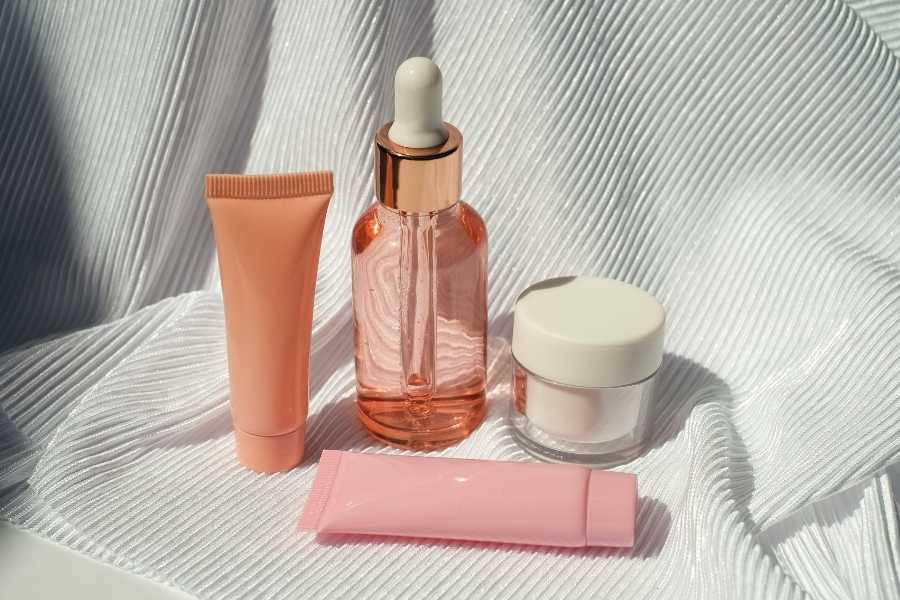
Peptide serums have been flying under the radar while everyone obsessed over retinol and vitamin C. Meanwhile, these clever little protein bits have been busy becoming the not-so-secret weapon of anyone who’s serious about their skin. Picture them as your skin’s maintenance crew, but instead of hard hats, they wear lab coats.
You don’t need a PhD in biochemistry to figure out why anti-aging peptide treatments work so darn well. These microscopic workhorses slip past your skin’s defenses and start fixing things from the inside out. No drama, no irritation, just results that sneak up on you in the best possible way.
Here’s what nobody tells you about peptide-based skincare products: they’re basically skin whisperers. While other ingredients shout demands at your cells, peptides have actual conversations. They know the cellular password and use it wisely.
Why Peptide Serums Hit Different Than Everything Else
Your skin has been waiting its whole life for someone who speaks its language. Enter bioactive peptide formulations, which are like having a translator who actually gets what your cells are trying to say. They don’t just sit on top looking pretty; they dive deep and start meaningful conversations about rebuilding.
When collagen-boosting peptides show up to the party, your fibroblasts suddenly remember what they used to be good at. It’s like reuniting with an old friend who brings out your best self, except that friend happens to specialize in making you look younger.
The beauty of peptide serums lies in their complete lack of attitude. They don’t bulldoze their way through your skin barrier or throw tantrums if you skip a day. They just quietly get to work, playing nice with whatever else you’re using.
The Real Deal About Peptide Serums That Work
Peptide skincare technology sounds fancy, but it’s surprisingly straightforward once you cut through the jargon. Think of amino acid chains as letters that spell out instructions for your skin. The right sequence tells your cells exactly what to do, when to do it, and how much effort to put in.
Studies prove that signal peptides for wrinkle reduction can bump up collagen production by over 100%. That’s not some marketing department getting creative with numbers, that’s actual lab work with real results you can see and touch.
The secret sauce isn’t just the peptides themselves, though. Premium peptide serums wrap these delicate ingredients in protective packaging that keeps them stable and ready for action. Think FedEx for your face, but with better results.
Different Flavors of Peptide Serums and What They Actually Do
Peptide serums come in more varieties than coffee at your local café, and each one has its own specialty. Signal peptides are the chatty ones, constantly talking to your cells about ramping up collagen production. They’re your go-to for when fine lines start making themselves at home on your face.
Carrier peptides are the delivery drivers of the peptide world, hauling essential minerals straight to where they’re needed most. Copper peptide anti-aging serums are particularly good at this, acting like cellular Uber for nutrients that help repair damage and build new, healthier skin.
Then you’ve got neurotransmitter peptides, which are basically zen masters for your face muscles. These wrinkle-fighting peptide treatments convince overactive muscles to chill out, smoothing expression lines without the whole needle situation.
Matching Peptide Serums to Your Skin’s Actual Needs
Your skin problems aren’t one-size-fits-all, so why should your solutions be? Matrixyl peptide serums are the heavy hitters for serious aging concerns, working on multiple types of collagen like a construction crew with different specialties.
Got touchy skin that freaks out over everything? Sensitive skin peptide formulas combine gentle peptides with soothing ingredients that won’t send your complexion into panic mode. It’s anti-aging without the attitude.
Antimicrobial peptide serums tackle the tricky combo of adult acne plus aging skin. They fight bacteria while promoting healing, so you don’t have to choose between clear skin and wrinkle-free skin.
Picking Peptide Serums That Won’t Let You Down
Shopping for peptide serums can feel like navigating a maze blindfolded, but your skin type is your best compass. Dry skin types need peptides that come with backup dancers like hyaluronic acid and ceramides. These hydrating peptide treatments create a moisture party that keeps peptides happy and effective.
Oily skin folks should hunt for lightweight peptide serums that won’t turn their face into a slip-and-slide. Gel textures work best here, especially when paired with ingredients like niacinamide that know how to handle excess shine.
Combination skin is the wild card that needs versatile peptide formulations. Multi-peptide serums are usually your best bet, offering different benefits for different areas of your face.
Cracking the Code on Peptide Serums Labels
Reading peptide serum ingredients lists is like learning a new language, but once you get the hang of it, you’ll spot the good stuff immediately. Peptides should show up in the first five ingredients, otherwise you’re paying premium prices for peptide crumbs.
Skip anything loaded with artificial fragrances, dyes, or preservatives that sound like they belong in a chemistry set. The best peptide serums keep things simple and focused on what actually matters.
Pharmaceutical-grade peptide products often include vitamin E or C as bodyguards for the peptides. These antioxidants keep the good stuff stable while adding their own anti-aging benefits to the mix.
Getting Peptide Serums to Actually Work for You
How you apply peptide serums matters way more than most people realize. Clean, slightly damp skin is your peptide’s best friend. The moisture helps everything absorb better while preventing that tight, uncomfortable feeling you sometimes get with active ingredients.
Layering is where things get strategic with peptide serums. Think of it as dressing for the weather: peptides go on after cleansing but before your heavier creams. This gives them first dibs on your skin while letting other products lock everything in place.
Consistency with peptide treatments beats expensive sporadic use every single time. Your skin needs regular peptide check-ins to keep the collagen production humming along nicely.
Building a Peptide Serums Routine That Sticks
Morning peptide serums pair beautifully with sunscreen, creating a tag team that repairs yesterday’s damage while preventing tomorrow’s. Cleanse, peptide up, moisturize, then SPF your way to protected, treated skin.
Nighttime is when intensive peptide repair treatments really shine. Your skin’s repair mode kicks into high gear while you sleep, making evening application perfectly timed for maximum peptide magic.
Gradual introduction of peptide serums prevents your skin from throwing a fit over new ingredients. Start slow with every-other-night use, then work up to daily as your skin gets comfortable with its new routine.
Ways People Mess Up Their Peptide Serums Results
Mixing peptide serums with certain acids is like putting salt in your coffee instead of sugar. Alpha hydroxy acids and beta hydroxy acids can break down those precious peptide chains before they get a chance to work their magic. Space these treatments apart or use them on different days.
Expecting effective peptide treatments to work overnight is setting yourself up for disappointment. Peptides are more marathon runners than sprinters. Most people start seeing changes around the 4-6 week mark, with the really good stuff happening after a few months of steady use.
Skipping patch testing with new peptide serums is like jumping into a pool without checking the water temperature first. Even gentle formulations can surprise you, especially if your skin is already dealing with other issues.
Storage Fails That Kill Peptide Serums Power
Proper peptide serum storage isn’t rocket science, but heat and light are peptide kryptonite. Your bathroom medicine cabinet might seem convenient, but all that steam and temperature swinging can turn your expensive serum into overpriced water.
Dirty fingers in your peptide serums introduce bacteria that can spoil the whole batch. Use clean hands or a sanitized spatula, and never put leftover product back in the bottle.
Expired peptide products don’t announce themselves with funky smells or weird colors. They just quietly stop working while you wonder why your skin isn’t improving. Mark your calendar when you open new products and replace them on schedule.
What’s Next for Peptide Serums in Skincare
Nanotechnology in peptide delivery is making science fiction feel like reality. These tiny delivery systems can target specific skin layers with surgical precision, getting more peptides where they need to go with less waste.
Personalized peptide formulations based on your DNA are already in development. Soon you might get peptide serums custom-made for your specific genetic aging patterns and cellular quirks.
Sustainable peptide production through biotech means cleaner, more consistent peptides without the environmental guilt. Lab-grown peptides work just as well as traditional ones but with a much smaller carbon footprint.
Ready to ditch the guesswork and give your skin what it’s actually been asking for? Your future self will thank you for making the switch to smarter skincare that actually makes sense.