
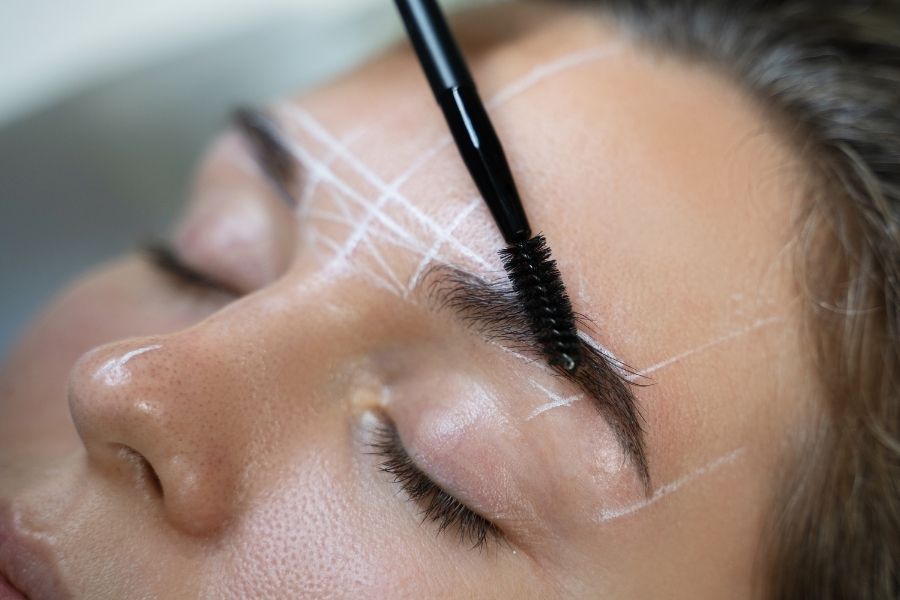
Brow Mapping changed my entire approach to eyebrows, and honestly, it’ll probably change yours too. You know that feeling when you’re holding tweezers, staring at your reflection, completely lost about where to start plucking? Yeah, we’ve all been there. This technique basically gives you a roadmap for your face. No more guessing games or accidentally creating one thin brow and one bushy disaster. Professional brow mapping methods take all the panic out of eyebrow maintenance. Trust me, once you get this down, you’ll wonder how you ever managed without it.
Here’s the thing about trends. They come and go faster than you can say “Instagram eyebrows.” But brow mapping sticks around because it actually works with what you’ve got. Your face has its own unique proportions and angles. Your eyebrows should celebrate those features, not fight against them. When you nail these mapping techniques, everything else just falls into place. Your eyes look bigger, your whole face seems more balanced, and people start asking if you’ve had work done.
Getting Started With Brow Mapping Basics
Brow mapping works by finding three key points on your eyebrow. Nothing fancy, just simple measurements that work every single time. You take a straight tool (makeup brush, pencil, whatever), and use it to figure out where your brows should start, peak, and end. These aren’t random spots either. They’re based on your actual bone structure and how your features line up.
Now, here’s something important about facial symmetry brow mapping. Your eyebrows don’t need to be identical twins. They just need to look like they belong on the same face. Most people have some asymmetry going on, and that’s totally normal. The goal is creating balance that looks natural, not perfection that looks weird.
The classic method is pretty straightforward. Hold your tool straight up against your nostril to find where your brow should start. Angle it over your pupil for the arch. Swing it to your outer eye corner for the tail. This eyebrow measurement technique prevents most of the common mistakes people make when they’re flying blind.
Why Face Shape Actually Matters
Brow mapping for different face shapes isn’t just beauty guru nonsense. It’s actually based on how our eyes perceive proportion and balance. Round faces need some angles to create definition. Square faces benefit from softer curves to balance out strong jawlines. Heart-shaped faces require careful attention so the brows don’t overwhelm delicate features.
If you’ve got a round face, angular brow mapping techniques will be your best friend. You want that arch positioned to lift everything up and create some vertical lines. Square faces work better with gentler curves that soften things out. Heart-shaped faces need just enough brow to balance the forehead without competing with a narrower chin.
Long faces are trickier with professional brow mapping. You’re trying to create horizontal emphasis to break up all that length. Sometimes this means extending the tail a bit longer than usual or keeping the arch more gradual so you’re not adding extra height where you don’t need it.
Tools You Actually Need for Brow Mapping
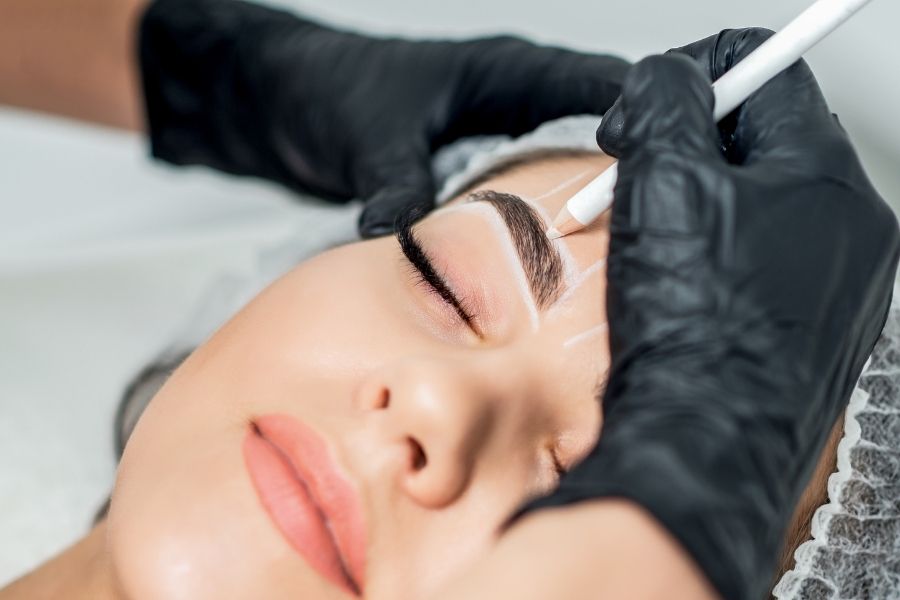
Good news: you probably already own everything you need for brow mapping. Any makeup brush with a straight edge works perfectly. A brow pencil, a ruler, even a chopstick if you’re desperate. The fancy tools are nice, but they won’t make your measurements any more accurate.
DIY brow mapping at home starts with decent lighting and keeping your head straight. No tilting, no funny faces, no raised eyebrows. You want to see your natural face shape without any extra drama. Mark your points lightly before you start removing any hair. Think of it as sketching before you paint.
Take your time with this part. Seriously. I know it’s tempting to rush through and get to the actual tweezing, but accuracy here determines everything that comes after. Double-check your measurements. Triple-check if you’re feeling unsure.
Modern Brow Mapping Apps and Tools
There are tons of brow mapping apps out there now, and some are actually pretty helpful for beginners. They won’t replace understanding the basics, but they can give you a good starting point. The main issue is that apps can get confused by lighting or if your head isn’t positioned perfectly.
Virtual brow mapping tools work best for experimenting with different shapes before you commit to anything permanent. You can see how various arch positions might look on your face. Just remember that what looks good on a screen might need tweaking in real life.
Some people combine app exploration with traditional measuring, and that actually works really well. Use technology to brainstorm ideas, then use manual techniques for the actual execution.
Advanced Brow Mapping for Your Specific Features
Customized brow mapping goes way beyond basic measurements. Professional brow artists consider everything: your eye shape, how high your forehead is, even how your hair naturally wants to grow. Sometimes the textbook rules need small adjustments to work perfectly with your face.
Your eyebrows don’t exist in isolation. They interact with your eyes, your cheekbones, your whole face really. Deep-set eyes might need a slightly different arch position to avoid creating shadows. Protruding eyes could benefit from a lower arch that doesn’t emphasize the protrusion.
Precision brow mapping techniques also account for the fact that most faces aren’t perfectly symmetrical. Maybe one of your eyebrows sits slightly higher than the other. Maybe you have a habit of raising one eyebrow when you talk. Good mapping compensates for these little quirks to create visual balance.
Dealing With Problem Brows
Brow mapping for sparse eyebrows gets interesting because you might not have hair everywhere you need it. Your mapping points stay the same, but you’ll probably need to get creative with brow powder, pencils, or maybe even consider microblading for really stubborn gaps.
Over-plucked eyebrows are their own special challenge. The hair might not be growing where it should according to proper proportions. Corrective brow mapping focuses on gradual improvement while you wait for regrowth. This requires patience and maybe some professional help to avoid making things worse.
Uneven eyebrows, whether from genetics or past shaping disasters, benefit from asymmetrical brow mapping. Instead of forcing both brows into identical shapes, you create the illusion of symmetry through strategic differences.
Maintaining Your Brow Mapping Results
Brow mapping isn’t a set-it-and-forget-it situation. Your face changes subtly over time, and your mapping might need minor tweaks to keep up. Think of it like maintaining any other aspect of your appearance. Small, regular adjustments keep everything looking fresh.
Seasonal brow mapping adjustments can be surprisingly helpful. Summer calls for brows that can handle pool days and beach vacations. Winter’s heavier makeup looks might work better with slightly fuller, more dramatic shaping. These small changes keep things interesting while staying true to your basic mapped structure.
Regular maintenance doesn’t mean constant tweezing though. Focus on preserving those mapped points while letting natural growth happen between appointments. Brow mapping maintenance tips include trimming overly long hairs, keeping the area clean, and resisting the urge to over-pluck when you’re bored.
Creating a Mapping Routine That Actually Works
A good brow mapping routine doesn’t have to be complicated. Weekly mirror check-ins catch small issues before they become big problems. Keep your measuring tools somewhere convenient so you’re not hunting around every time you need them.
Professional mapping appointments should match your hair growth rate and personal needs. Some people need monthly touch-ups, others can go six to eight weeks. Pay attention to your own patterns instead of following someone else’s schedule.
Take photos of your progress using consistent lighting and angles. This visual record helps you track what’s working and makes it easier to communicate with professionals about what you want.
Brow Mapping Mistakes Everyone Makes
The biggest brow mapping mistake is rushing through the measuring part. I get it, you want to get to the actual shaping, but accuracy here prevents so many problems later. Those extra few minutes of careful measuring can save you weeks of regrowth time if something goes wrong.
Following trends instead of your mapped proportions is another huge pitfall. Social media brow trends come and go, but personalized brow mapping ensures your eyebrows actually flatter your face. What looks amazing on an influencer might look completely wrong on you, and that’s okay.
Brow mapping correction techniques can fix most mistakes, but prevention is way easier than correction. Document your process with photos, work in good lighting, and don’t hesitate to ask for help if you’re unsure.
Patience is probably the hardest part of the whole brow mapping process. Hair growth takes time, especially if you’re fixing over-plucked disasters. Trying to speed things up usually just creates more problems.
Brow mapping is really about working with what you’ve got instead of against it. Your face is unique, and your perfectly mapped eyebrows should enhance that uniqueness, not hide it. Whether you tackle this yourself or work with a professional, understanding these principles puts you in control of your appearance. Ready to stop letting your eyebrows be an afterthought and start making them the statement they deserve to be?