
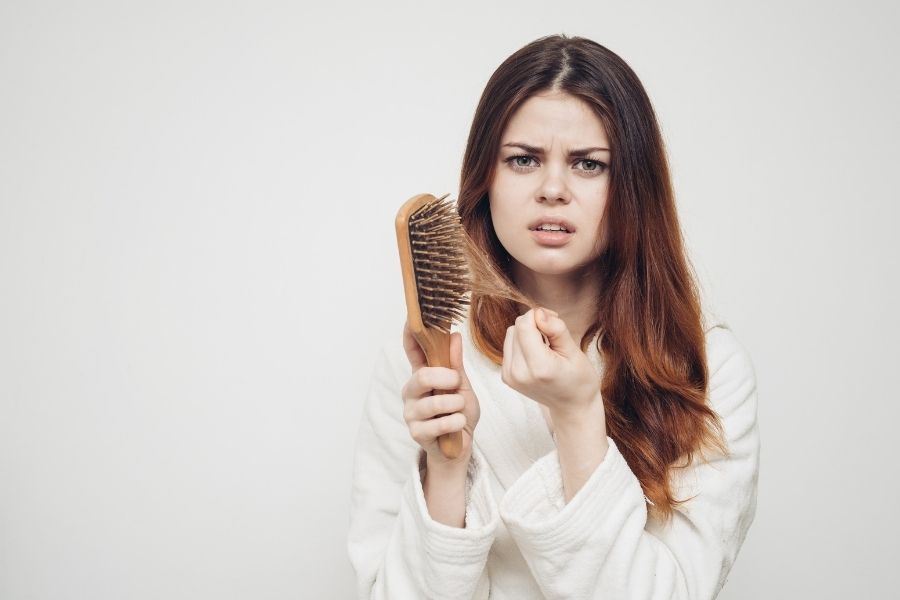
Stress-related hair loss hits you when you least expect it. One day you’re brushing your teeth, and suddenly there’s enough hair in the sink to stuff a small pillow. You stare at your reflection, wondering if you’re losing your mind along with your hair. Spoiler alert: you’re not crazy, and you’re definitely not alone.
Your hair becomes collateral damage when life decides to test your limits. Whether it’s a brutal breakup, a job from hell, or family drama that could fuel a reality TV show, your scalp keeps score. The weird part? Your hair doesn’t bail immediately. It waits around for months, then stages a dramatic exit like it’s auditioning for a soap opera.
Here’s the thing though: hair thinning due to stress isn’t permanent doom. Your follicles aren’t giving up forever; they’re just taking an unscheduled vacation. With the right moves, you can coax them back to work and get your hair game strong again. Ready to turn your stressed-out scalp into a thriving garden? Let’s dig in.
Understanding How Stress Triggers Hair Loss
Your hair operates on a pretty sweet schedule under normal circumstances. Each strand hangs around for years, doing its thing, before politely excusing itself to make room for fresh growth. It’s like having the world’s most patient roommates who actually clean up after themselves.
Chronic stress and hair loss happen when this peaceful system gets hijacked. Stress hormones crash the party like uninvited guests who eat all your food and trash your place. Cortisol, the main troublemaker, basically tells your hair follicles to clock out early. Thanks for nothing, cortisol.
This whole mess has a fancy name: telogen effluvium. Sounds scary, but it just means your hair decided to take a group vacation without asking permission first. The kicker? You won’t notice anything wrong for about three months. Your hair keeps the secret while plotting its escape.
The stress that triggers hair loss from anxiety and stress comes in all flavors. Physical stuff like surgeries or crash diets can flip the switch. So can emotional roller coasters like divorce, death in the family, or that boss who makes your eye twitch. Even good stress counts – planning weddings, moving houses, or starting dream jobs can overwhelm your system enough to mess with your hair.
Recognizing the Signs of Stress-Related Hair Loss
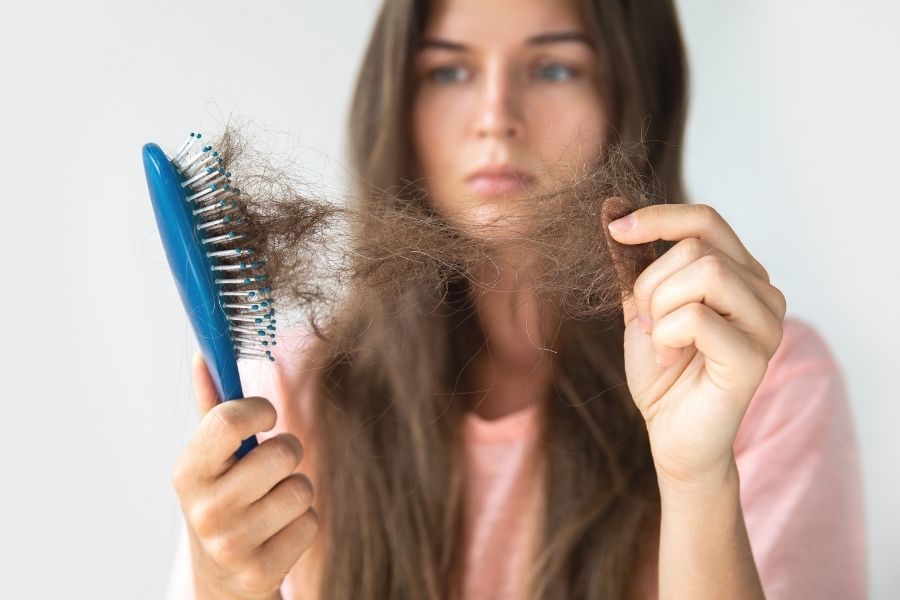
Stress-related hair loss sneaks up like that friend who “drops by” right at dinnertime. You might first notice your ponytail looking sad and thin, or your part seeming wider than the Grand Canyon. The shower drain starts looking like a crime scene, and your vacuum cleaner develops trust issues with all the extra hair it’s sucking up.
Unlike the hair loss that runs in families, stress-induced hair thinning doesn’t play favorites with specific areas. It’s an equal opportunity hair thief that takes a little from everywhere. Your hairline doesn’t recede dramatically; instead, everything just gets thinner, like someone turned down the volume on your entire head.
The timing thing really throws people off. Emotional stress hair loss shows up fashionably late to the party, usually two to four months after whatever made you want to hide under a blanket fort. You’ll be scratching your head (literally) wondering why your hair suddenly started bailing when you’ve forgotten all about that nightmare project from last spring.
Your body might throw in some bonus symptoms just to keep things interesting. Your scalp could feel tight or tender, like it’s wearing an invisible hat that’s too small. You might feel more tired than usual or have trouble sleeping. Some people notice their hair texture changes before the great exodus begins.
The Science Behind Stress and Your Follicles
Your hair follicles are basically tiny factories that work around the clock, churning out new hair like it’s their job (because it is). These little powerhouses contain some of the fastest-dividing cells in your body, which makes them sitting ducks when stress hormones come hunting.
Psychological stress and hair loss start with your brain hitting the panic button. Your hypothalamus (the brain’s control center) gets the message that something’s wrong and immediately calls your adrenal glands. These glands dump cortisol and other stress chemicals into your bloodstream like they’re trying to put out a five-alarm fire.
When these chemical messengers reach your hair follicles, they basically yell “STOP EVERYTHING!” The follicles, being good employees, shut down production and send existing hairs packing. High cortisol also messes with protein production, which is like trying to build a house when someone keeps stealing your bricks.
Stress-related alopecia gets even more complicated because chronic stress creates inflammation everywhere, including your scalp. This is like trying to grow a garden in a war zone. Blood flow to your scalp decreases too, starving your follicles of the nutrients they need to do their job properly.
Sometimes your immune system joins the chaos by attacking your own hair follicles. It’s friendly fire at its worst. This is why managing stress for hair regrowth isn’t just about chilling out; you need to address the whole biological mess that stress creates.
Prevention Strategies That Actually Work
Preventing stress-related hair loss is like wearing a seatbelt; you hope you’ll never need it, but you’ll be damn glad you have it when life decides to rear-end you. The best prevention happens before disaster strikes, when you’re building up your stress-fighting superpowers.
Exercise is your secret weapon against stress and hair thinning. You don’t need to become a gym rat or train for marathons. A daily walk, some yoga, or dancing in your kitchen while making dinner all count. The magic happens because moving your body tells stress hormones to take a hike while boosting those happy chemicals that make everything feel less catastrophic.
Sleep deserves way more respect than it gets. During those precious hours of unconsciousness, your body becomes a repair shop, fixing damaged cells and cranking out growth hormones. Chronic stress insomnia creates a nasty cycle where poor sleep makes you more stressed, which makes sleep even harder to catch. Breaking this cycle might be the best thing you ever do for your hair.
What you eat when you’re stressed makes a huge difference. Stress eating and hair loss team up when you’re stress-munching your way through bags of chips and pints of ice cream. These foods jack up inflammation and rob your body of nutrients your hair actually needs. Instead, try to fuel up with real food that supports both your sanity and your scalp.
Having people you can vent to makes stressful situations way more manageable. Social connections literally lower stress hormones and give you somewhere to dump all that mental garbage before it overwhelms your system. Whether it’s family, friends, therapy, or support groups, having a crew makes all the difference in preventing hair loss episodes.
Natural Treatment Approaches for Recovery
When stress-related hair loss has already crashed your party, natural treatments can help clean up the mess while you work on getting your stress under control. Think of your scalp as a garden that needs some TLC after a brutal storm. These approaches work best when you’re also tackling the stress that started this whole situation.
Scalp massage feels amazing and actually helps by boosting blood flow to your follicles. The gentle pressure hits nerve endings that tell your whole body to chill out. Essential oils for stress hair loss like rosemary, peppermint, or lavender can turn your massage into a spa experience while potentially helping your follicles wake up from their stress-induced nap.
Herbal supplements for hair regrowth tap into plant wisdom that’s been around forever. Adaptogenic herbs like ashwagandha, rhodiola, and ginseng help your body handle stress better while potentially supporting hair growth. These plants have been helping people deal with life’s nonsense for centuries, but definitely check with a healthcare provider before starting any supplement party.
Your nutrition might need some attention since stress can create or worsen deficiencies. Biotin and stress hair loss connect because chronic stress can drain your B-vitamin stores, which your hair needs to grow properly. Iron, zinc, and vitamin D deficiencies also love to show up when you’re stressed out. Getting tested can help you figure out what your body actually needs.
Mind-body practices like meditation, deep breathing, and progressive muscle relaxation directly counteract stress’s physical effects. These aren’t just trendy wellness buzzwords; they actually lower cortisol and flip your nervous system from “everything is terrible” mode to “we’ve got this” mode. Mindfulness for hair health is backed by real science, not just Instagram influencers.
Professional Treatment Options
Sometimes stress-related hair loss needs backup from the professionals, especially when your DIY efforts aren’t cutting it. Dermatologists and hair specialists understand the stress-hair connection and can offer treatments that go beyond what you can do at home. The trick is finding someone who gets that this isn’t just about vanity.
Topical treatments for stress alopecia include minoxidil, that FDA-approved stuff you can grab at the pharmacy. Originally created for genetic hair loss, it also helps stress-related thinning by boosting blood flow to follicles and encouraging them to stay in growth mode longer. You’ll need patience though; results usually show up after three to four months of consistent use.
Low-level laser therapy sounds like science fiction but actually uses specific light wavelengths to wake up sleepy follicles. Light therapy for hair regrowth works by cranking up cellular energy and improving blood circulation to your scalp. You can do this at home with handheld devices or get the full treatment at clinics with more powerful equipment.
Platelet-rich plasma therapy involves drawing your blood, concentrating the good stuff, and injecting it back into your scalp. The growth factors in platelets might kickstart dormant follicles and help with thickness. Research is still catching up, but many people report good results from PRP for stress hair loss, especially when combined with other treatments.
Sometimes doctors prescribe medications that tackle the underlying stress and inflammation. Anti-anxiety meds or antidepressants might make sense if your stress levels are stuck in the red zone. Prescription treatments for alopecia need thorough discussion with qualified professionals who can balance benefits against potential side effects.
Lifestyle Changes That Support Hair Recovery
Stress management for healthy hair goes way deeper than occasional bubble baths and scented candles. It’s about building a life that actually supports your wellbeing instead of constantly testing your limits. Think of these changes as investments in feeling human again, with better hair as a nice bonus.
Time management can save your sanity and your scalp. Chronic overwhelm and hair loss often happen when you’re drowning in responsibilities with no life preserver in sight. Learning to prioritize, delegate, and say no to stuff that doesn’t matter can dramatically reduce your stress load and give your body room to heal.
Boundaries aren’t mean; they’re survival tools. Whether it’s limiting news consumption, taking social media breaks, or actually leaving work at work, protecting yourself from unnecessary stress gives your body more energy to focus on recovery. Digital detox for stress reduction doesn’t mean going full hermit, but small screen breaks can definitely lower cortisol levels.
Hydration affects both stress and hair health more than most people realize. Dehydration actually increases cortisol production while making it harder for nutrients to reach your follicles. Proper hydration for hair growth means drinking enough water throughout the day and cutting back on stuff that dehydrates you, like too much caffeine or alcohol.
Having hobbies gives your brain a break from stress spirals while releasing tension in productive ways. Whether it’s gardening, painting, playing music, or building things with your hands, doing stuff you actually enjoy helps reset your stress response. Creative outlets for stress relief don’t need to be elaborate or time-consuming; even fifteen minutes of fun can shift your whole day.
When to Seek Medical Attention
While stress-related hair loss usually gets better once you get your stress under control, some warning signs mean it’s time to call in professional backup. Trust your gut when something feels off, especially if changes seem severe or just won’t quit.
Sudden, dramatic hair loss needs immediate attention. If you’re losing chunks of hair or developing bald spots rapidly, this might be something beyond simple stress-related shedding. Rapid onset hair loss could signal autoimmune conditions, infections, or other medical issues that need prompt treatment.
Hair loss plus scalp problems like burning, itching, or pain suggests something more complicated than stress-induced shedding. These symptoms might point to inflammatory conditions or infections that need specific treatments. Scalp symptoms with hair loss shouldn’t be ignored since early treatment often works better.
When hair loss continues for more than six months despite your best stress-busting efforts, it’s time for professional help. While chronic stress and persistent hair loss can take time to resolve, ongoing shedding might indicate underlying health issues or nutritional problems that need addressing.
If hair loss comes with other weird symptoms like extreme fatigue, weight changes, irregular periods, or other body changes, definitely get checked out. These could be signs of hormonal imbalances or thyroid issues that contribute to hair problems. Systemic symptoms with alopecia often provide clues about bigger issues that need attention.
Recovery from stress-related hair loss isn’t just about getting your hair back; it’s about learning to handle life’s curveballs without your body staging a revolt. Your hair might tell the story of tough times, but it doesn’t have to be a tragedy with no happy ending.
The journey back teaches you valuable stuff about listening to your body and actually taking care of yourself instead of just surviving each day. Every new hair that grows back is basically a tiny middle finger to stress and proof that you’re getting stronger.
What’s one small thing you can do today to start breaking the stress-hair loss cycle? Your future self with a full head of healthy hair is already doing a happy dance.