

Color Analysis isn’t just another beauty trend that’ll disappear next season. It’s like having a secret weapon in your style arsenal that works every single time. You know that friend who always looks put-together, even in a simple t-shirt? Chances are, she’s cracked the code on wearing her colors.
Picture this: you’re rushing out the door, grab any top from your closet, and somehow you still look amazing. That’s what happens when you understand which colors love you back. It’s not magic, though it feels like it. Your skin glows, your eyes pop, and suddenly you’re getting compliments from strangers at the grocery store.
But here’s the thing most people don’t realize. Those colors that make you look incredible aren’t random. There’s actual science behind why certain shades make you look like you just got back from a relaxing vacation, while others make people ask if you’re feeling okay.
The Real Deal About How Colors Work With Your Face
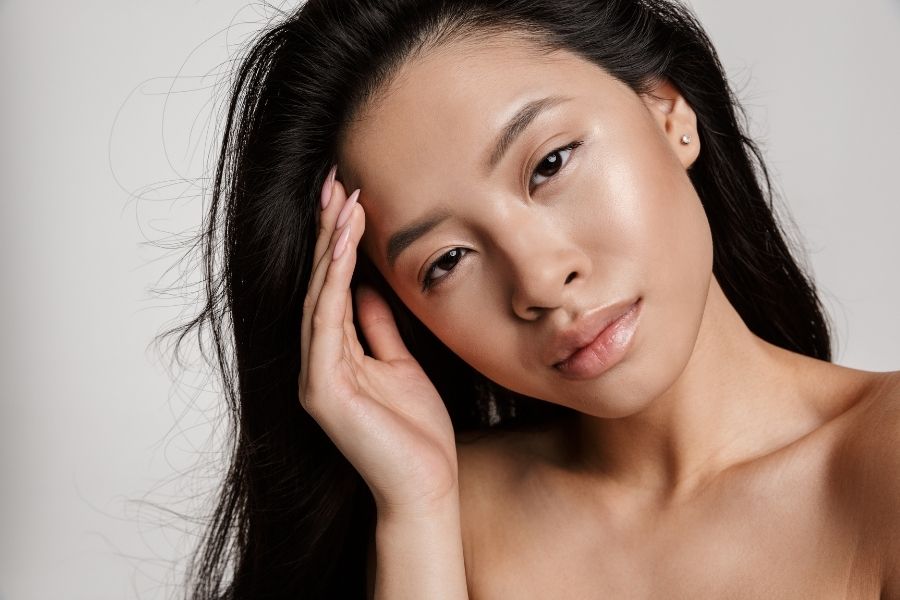
Color Analysis boils down to something pretty straightforward: your skin has undertones. Think of undertones as the background music of your complexion. They’re always there, influencing how every color looks on you, even if you can’t consciously hear them.
Your undertones come from the mix of pigments under your skin. Some people have more yellow pigments (that’s warm), others have more pink or blue (that’s cool). Then there are the lucky neutral folks who get a balanced mix of both.
Here’s where it gets interesting. Your undertones never change. You can get a tan in Cabo, go gray at thirty, or try every hair color in the rainbow. Those undertones? They’re sticking around for life.
The contrast between your hair, skin, and eyes matters too. If you’ve got dark hair and pale skin, you can probably pull off colors that would overwhelm someone with softer coloring. It’s like the difference between a whisper and a shout.
Breaking Down the Four Color Personalities
The traditional Color Analysis system splits everyone into four groups, kind of like sorting people into Hogwarts houses, but for colors. Each season has its own personality and perfect palette.
Spring people are the golden ones. They’ve got this warm, bright energy that matches perfectly with colors like coral, golden yellow, and turquoise. Think of a field of daffodils or a perfect peach. These are your warm-toned colors that make Spring types absolutely radiate.
Summer folks are the cool, soft types. Their colors whisper instead of shout. Powder blue, lavender, dusty rose. These cool-toned colors complement their gentle coloring without competing for attention. It’s like they’re always dressed in a dreamy watercolor painting.
Autumn people are rich and earthy. They rock colors that remind you of October leaves and harvest time. Burnt orange, deep gold, chocolate brown. These shades bring out their natural warmth and make them look incredibly grounded and sophisticated.
Winter types are the drama queens of color, and they own it. They can wear colors that would make other people disappear entirely. True red, royal blue, pure white, jet black. Their high contrast coloring demands colors with equally bold personalities.
Modern Color Analysis Gets More Personal
Today’s Color Analysis goes way deeper than those original four buckets. It’s like going from a basic paint set to one of those fancy art supply stores with hundreds of shades.
The newer systems recognize that within each season, people have different intensities. A Light Summer might drown in the same navy that makes a Deep Summer look stunning. It’s all about finding your exact sweet spot within your color family.
Professional color analysis services use these fancy color fans with hundreds of shades. They’ll drape different colors near your face and watch what happens. Some colors will make you look tired. Others will make your skin look clearer than it has in years. The good ones can spot the difference immediately.
Some color analysts skip the seasons entirely and focus just on whether you’re warm, cool, or neutral. This approach works really well for people who never quite fit into the traditional seasonal boxes.
Figure Out Your Colors Without Breaking the Bank
You don’t need to hire a professional to get started with Color Analysis, though it definitely helps. You can do some detective work at home with things you probably already own.
Try the jewelry trick first. Hold gold and silver jewelry up to your face in natural light. One will make your skin look clearer and brighter. If it’s gold, you’re probably warm-toned. If silver wins, you’re likely cool-toned. Sometimes both look good, which might mean you’re neutral.
Check out your wrist veins too. In good light, look at the veins on the inside of your wrist. Green-ish veins usually mean warm undertones. Blue or purple veins typically indicate cool undertones. Can’t tell the difference? You might be one of those neutral unicorns.
The fabric test gives you the most useful information for identifying your undertone. Grab different colored shirts, towels, or fabric scraps. Hold them up near your face in natural light and pay attention to what happens to your skin. Some colors will make you look healthier. Others will make you look like you need a vacation.
Why Wearing Your Colors Changes Everything
When you consistently wear your best colors, something shifts. People can’t quite put their finger on it, but you look more polished somehow. More put-together. Like you’ve got your life figured out, even if your kitchen sink is full of dirty dishes.
Color psychology in fashion suggests there’s more to it than just looking good. When you know you look great, you carry yourself differently. Your shoulders relax, your smile comes easier, and suddenly you’re that person who lights up a room.
Colors send messages too. Want to look approachable at a networking event? Wear a softer shade from your palette. Need to command respect in a meeting? Go for something bolder within your color family. Your colors become tools for communicating who you are.
The really cool part happens over time. When people consistently see you looking great, they start associating you with those positive qualities. You become known as someone who’s got style, who pays attention to details, who takes care of themselves.
Building Your Perfect Color-Coordinated Closet
Once you know your colors, the fun part begins: shopping with purpose. Start by going through your current wardrobe with your new color knowledge. You’ll probably discover that your favorite outfits already feature your best colors.
Creating a capsule wardrobe with your colors makes getting dressed ridiculously easy. Pick a few neutrals from your palette as your foundation pieces. Then add pops of your accent colors through tops, accessories, and statement pieces. Everything works together like it was planned that way.
Think about your lifestyle when choosing which colors to prioritize. If you’re in corporate meetings all day, you might lean toward your more authoritative shades. If you’re a creative type, you can play with your brighter, more expressive colors.
Don’t feel like you need to donate everything that’s not in your perfect palette. Phase in your new color knowledge gradually. Replace items as they wear out, and add new pieces strategically.
Your Colors Work for Everything, Not Just Clothes
Color Analysis doesn’t stop at your closet door. Your hair color should play nicely with your skin tone and work with your overall color story. If you color your hair, choosing shades that enhance your undertones makes everything else look better too.
Makeup becomes so much easier when you understand your color profile. Choosing makeup colors that complement your analysis means no more buying lipsticks that look amazing in the tube but terrible on your face. Your foundation matches perfectly, and your lip colors actually enhance your natural beauty instead of fighting it.
Even your nail polish can get in on the action. Colors that harmonize with your palette will make your hands look more elegant and polished. It’s a small detail that makes a surprisingly big difference.
Your accessories, glasses, and even home decor can benefit from your color insights. When everything works together harmoniously, your whole aesthetic feels intentional and sophisticated.
Don’t Fall Into These Color Traps
The biggest mistake people make is confusing colors they love with colors that make you look your best. You might adore that trendy sage green, but if it makes you look seasick, it’s not doing you any favors. Learning to separate emotional attachment from flattering reality is crucial.
Trend-chasing is another color pitfall. Just because millennial pink is having a moment doesn’t mean it belongs in your wardrobe. Instead of abandoning your colors for trends, find ways to adapt popular colors to work within your palette.
Store lighting can trick you into bad color decisions. That sweater that looked perfect under department store fluorescents might tell a completely different story in natural daylight. Always do a daylight check before committing to important color choices.
Some people get too rigid about their color rules. Color Analysis gives you guidelines, not commandments. You can often make slightly off-palette colors work with the right styling, makeup, or accessories.
Make Color Analysis Work for Your Real Life
Your Color Analysis journey should feel like discovering a superpower, not getting handed a bunch of restrictions. Yes, understanding color theory helps, but confidence and personal style matter just as much as following every rule perfectly.
Some days you’ll want to wear colors outside your palette because they match your mood or serve a practical purpose. That’s totally fine. The goal isn’t color perfection; it’s having the knowledge to make informed choices about when to follow the guidelines and when to break them.
Color Analysis should make your life easier, not more complicated. When you understand how colors interact with your natural beauty, you can shop more efficiently, get dressed faster, and feel more confident in your choices.
Your color preferences might evolve as you learn more about yourself and experiment with your palette. That’s part of the fun. Color analysis gives you a starting point, not a final destination.
The perfect colors for you are out there waiting to be discovered. With Color Analysis as your guide, you’ll never again have to wonder whether that gorgeous shade calling your name from the store rack is actually meant to be yours. Because honestly, wouldn’t it be nice to stop playing guessing games with your wardrobe and start making choices that guarantee you’ll look amazing every single day?