
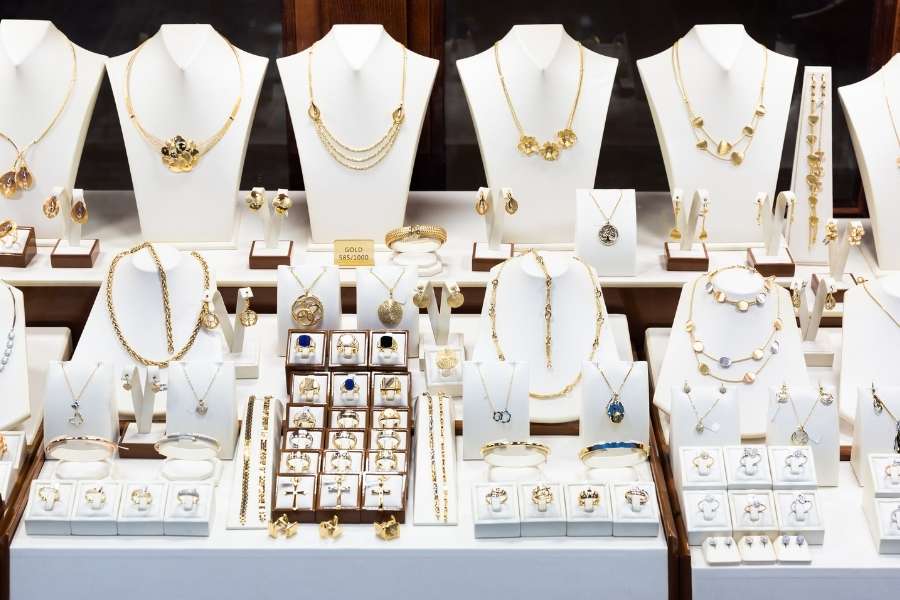
Statement jewelry can make you look like a million bucks or like you raided a costume shop. The difference? Knowing when to stop. We’ve all seen someone walk into a room dripping in bold jewelry pieces and wondered if they got dressed in the dark. But here’s the thing: statement accessories aren’t the problem. It’s how we wear them that makes or breaks the look.
Picture this: you’re getting ready for brunch with friends. You slip on that gorgeous chunky gold necklace you’ve been dying to wear, then add matching earrings, stack three bracelets, and throw on two rings for good measure. Sound familiar? By the time you’re done, you look more like a jewelry store display than the chic woman you intended to be. The trick to wearing bold jewelry pieces isn’t about having expensive taste or following every trend. It’s about understanding what works with what you’ve got.
Your jewelry should whisper confidence, not scream for attention. When you nail statement jewelry styling, people notice you first, then your accessories. Get it wrong, and your jewelry walks into the room before you do. So let’s figure out how to make your statement pieces work for you, not against you.
What Actually Counts as Statement Jewelry
Not every big piece qualifies as statement jewelry. Real statement accessories grab attention on purpose. They’re the jewelry equivalent of that friend who always has the best stories at dinner parties. Chunky chain necklaces, oversized hoop earrings, cocktail rings the size of small planets – these pieces don’t apologize for taking up space.
But here’s where it gets tricky. Statement jewelry isn’t just about size. A delicate vintage brooch can make just as much impact as dramatic pendant necklaces. It’s about presence, not measurements. That bold geometric necklace you bought last month? Statement jewelry. Those tiny diamond studs your grandmother left you? Beautiful, but not making any statements.
The real test is simple: if people comment on a piece within five minutes of seeing you, it’s probably statement jewelry. These pieces change how your whole outfit feels. Throw on a statement bracelet with jeans and suddenly you look put-together. Add statement earrings to a basic dress and boom – dinner-ready.
The One-Star Rule That Actually Works
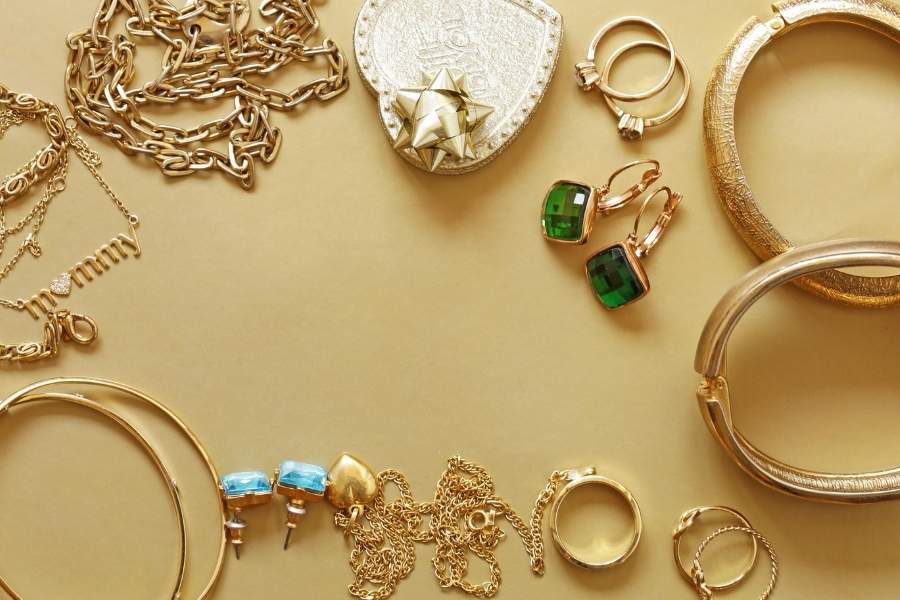
Here’s something most people mess up: trying to make every piece the star. Your outfit isn’t a democracy where every accessory gets equal votes. Pick one statement jewelry piece and let everything else play backup. Think of it like karaoke night. One person holds the mic, everyone else harmonizes.
I learned this the hard way at a wedding last year. Statement earrings, check. Bold necklace, check. Chunky bracelet, also check. The photos looked like I was wearing my entire jewelry collection at once. Not cute. Now I follow what I call the spotlight rule: one piece gets the spotlight, everything else stays in the background.
This doesn’t mean wearing one piece total. You can absolutely layer statement jewelry, but think hierarchy. If your oversized earrings are running the show, pair them with simple rings and maybe a thin chain. Your neck candy is the headline act? Keep your ears and wrists quiet. It’s about creating a conversation, not a shouting match.
Making Statement Jewelry Play Nice Together
Sometimes you want to break the one-piece rule. I get it. When you’ve got multiple gorgeous statement pieces, leaving them in the jewelry box feels criminal. The secret to layering statement jewelry successfully? Think about visual weight, not actual weight.
A chunky gold chain pairs beautifully with delicate gold stacking rings because they’re speaking the same language but at different volumes. Mix a statement necklace with tiny statement earrings and you’re golden. The key word here is balance, not matching. Your jewelry should feel like it belongs together, like pieces of the same puzzle.
Try the mirror test: put on your jewelry, step back, and squint. Does one area of your body look much heavier than the others? If your neck area is screaming while your hands whisper, redistribute the wealth. Move some visual weight around until things feel even.
Necklines Are Your Best Friend or Worst Enemy
Your neckline basically draws a frame around where your statement jewelry lives. Work with it, not against it. V-necks and statement necklaces are basically best friends. That triangle of space is begging for a beautiful pendant necklace or some layered chains. It’s like they were made for each other.
Scoop necks give you room to play with shorter statement necklaces or bold chokers. The curved line echoes the jewelry’s shape, creating this pleasing visual echo. Off-shoulder tops are tricky because they already make a statement. Add a dramatic necklace and you might be competing for attention with your own outfit.
High necklines flip the script completely. When your neck is covered, your ears become prime real estate. This is statement earrings territory. Turtlenecks with oversized hoops or dramatic danglers create this gorgeous contrast between the covered-up top and the bold jewelry framing your face.
The Strapless Situation
Strapless dresses are statement jewelry’s playground. You’ve got this gorgeous expanse of décolletage just waiting for the right piece. Bold chokers can add edge to formal dresses. Long pendant necklaces create beautiful vertical lines. Statement earrings frame your face when there’s nothing else competing for attention up there.
But here’s the catch: strapless means your jewelry is doing all the heavy lifting style-wise. Choose pieces that can handle the responsibility. Wimpy jewelry gets lost against all that skin. Go bold or go home.
Color Games That Actually Make Sense
Forget everything you learned about matching your jewelry to your outfit perfectly. Statement jewelry color coordination is more about creating interesting relationships than perfect matches. Sometimes the most stunning looks happen when you break the rules completely.
Monochrome can be gorgeous with statement jewelry. All gold everything creates this rich, luxurious feeling without being boring. All silver gives you modern, edgy vibes. But throwing in one contrasting piece? That’s where magic happens. A rose gold statement ring with your silver chunky chain adds just enough warmth to keep things interesting.
Bold turquoise jewelry against an all-black outfit makes both the jewelry and the outfit look more expensive. Coral statement earrings turn a basic navy dress into something special. The secret is confidence. If you love the combination, other people will too.
When Mixing Metals Works
The “don’t mix metals” rule died sometime around 2010, and good riddance. Mixing metals in statement jewelry adds depth and personality to your look. The trick is doing it on purpose, not by accident. Choose one metal as your main character and use the others as supporting cast.
Start with what you love most. If you’re a gold girl, let gold dominate and add touches of silver or rose gold. If silver is your thing, use it as your base and warm things up with gold accents. The key is intentionality. Random metal mixing looks messy. Purposeful metal mixing looks expensive.
Dressing for the Room You’ll Be In
Statement jewelry for work hits different than statement jewelry for date night. Context matters more than you think. That dramatic cocktail ring might kill it at happy hour but feel weird in the conference room. Learning to read the room extends to your jewelry choices.
Work statement jewelry should feel polished, not attention-seeking. Think sophisticated statement watches, elegant pearl earrings with interesting shapes, or subtle statement rings that spark conversation without screaming unprofessional. You want colleagues to think “great taste” not “trying too hard.”
Weekend statement jewelry can be more playful. Colorful statement earrings, bold cuff bracelets, fun pendant necklaces – this is when you can let your personality shine through your accessories. Brunch with friends is not the time for subtle jewelry. Go ahead and make that statement.
Evening Drama Done Right
Evening events are statement jewelry’s time to shine. Dramatic jewelry pieces under restaurant lighting or party lights? Pure magic. But even here, restraint beats excess. One show-stopping piece usually trumps five medium-impact pieces.
Consider lighting when choosing evening statement jewelry. Sparkly pieces and metallic finishes catch light beautifully under dim restaurant lighting. Matte pieces might get lost but can look incredibly sophisticated in the right setting. Think about how your jewelry will photograph too, because let’s be real, evening events usually mean pictures.
The Mistakes Everyone Makes
The biggest statement jewelry mistake? Treating every piece like it’s equally important. Your bold rings, dramatic earrings, and chunky necklaces can’t all be the main character at the same time. It’s like having five people trying to tell stories simultaneously at a dinner party. Nobody gets heard properly.
Over-accessorizing happens to the best of us. You love your jewelry, you want to wear it all. I get it. But wearing everything at once dilutes the impact of each individual piece. Your gorgeous statement necklace gets lost in the noise when you’re also wearing statement earrings, three bracelets, and four rings.
Proportion mistakes are sneaky. Oversized jewelry on smaller frames can overwhelm, while tiny statement pieces disappear on larger frames. It’s not about following strict rules, but about finding what works with your specific body and style. A petite woman might need to size down her statement earrings while still keeping them bold enough to make impact.