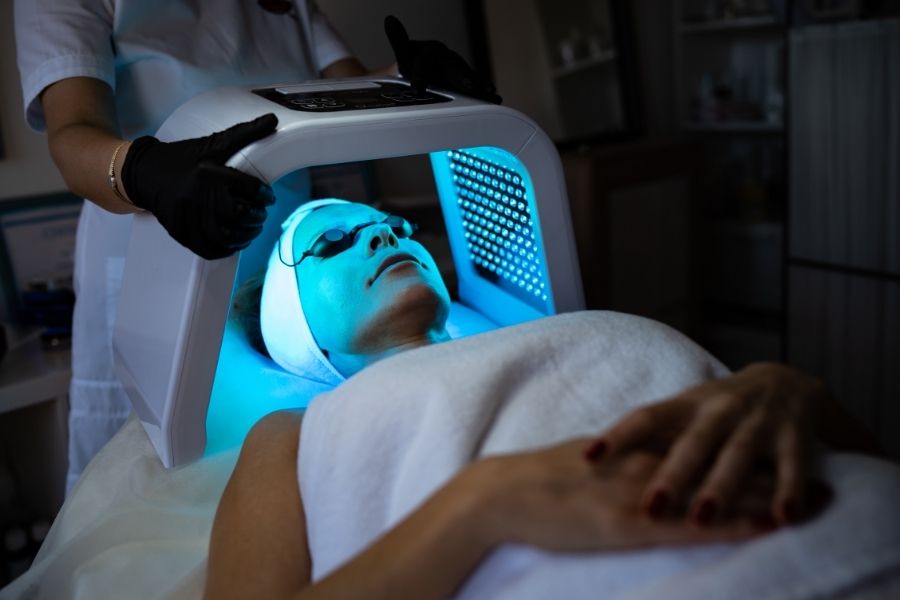
LED Light Therapy used to be this fancy thing you’d only get at expensive spas. Now? You can literally do it while binge-watching Netflix in your pajamas. But here’s where it gets tricky – the market is absolutely flooded with devices that look impressive but work about as well as a flashlight for actual skin benefits. I’ve tested dozens of these gadgets, and honestly, most of them are just pretty lights with zero therapeutic value.
The real deal behind LED light therapy isn’t some beauty industry magic trick. Scientists figured out decades ago that certain light wavelengths can actually kick your skin cells into high gear. Picture your cells like lazy teenagers – sometimes they need a gentle nudge to clean up their act and start working properly again. That’s exactly what the right wavelengths do, except instead of nagging, you’re giving them the perfect energy boost to repair damage and pump out fresh collagen.
How LED Light Therapy Actually Works in Your Skin
Your skin cells are basically tiny solar panels that soak up light and turn it into cellular energy. When red light wavelengths around 660 to 850 nanometers hit your face, they dive deep into your mitochondria. Think of mitochondria as your cells’ power plants – they start cranking out ATP (cellular fuel) like crazy, which means faster repair and regeneration.
Blue light therapy plays by completely different rules. At 415 nanometers, it’s specifically hunting down acne bacteria. Those pesky Propionibacterium acnes bugs that cause breakouts? They produce these compounds called porphyrins that basically explode when hit with blue light. It’s like using their own weapons against them.
Near-infrared light goes even deeper than red light, sometimes reaching muscle tissue several centimeters down. Athletes have been secretly using infrared light therapy devices for recovery, and now you can get smaller versions for daily use. The wavelength typically sits between 700 to 1000 nanometers, potentially helping with inflammation and pain relief.
Here’s what nobody tells you about timing – your skin won’t transform overnight like some miracle cream commercial. Most LED facial devices need weeks of consistent use before you see real changes. Your cells need time to get their act together, kind of like how you wouldn’t expect six-pack abs after one gym session.
Best At-Home LED Light Therapy Devices That Deliver Results
Full-face LED panels have become the holy grail for serious skin treatment. The CurrentBody Skin LED Light Therapy Mask actually delivers medical-grade power levels instead of just pretty lights. We’re talking 1,440 individual LEDs blasting your face with consistent, therapeutic intensity. Most cheap knockoffs barely emit enough light to see your reflection.
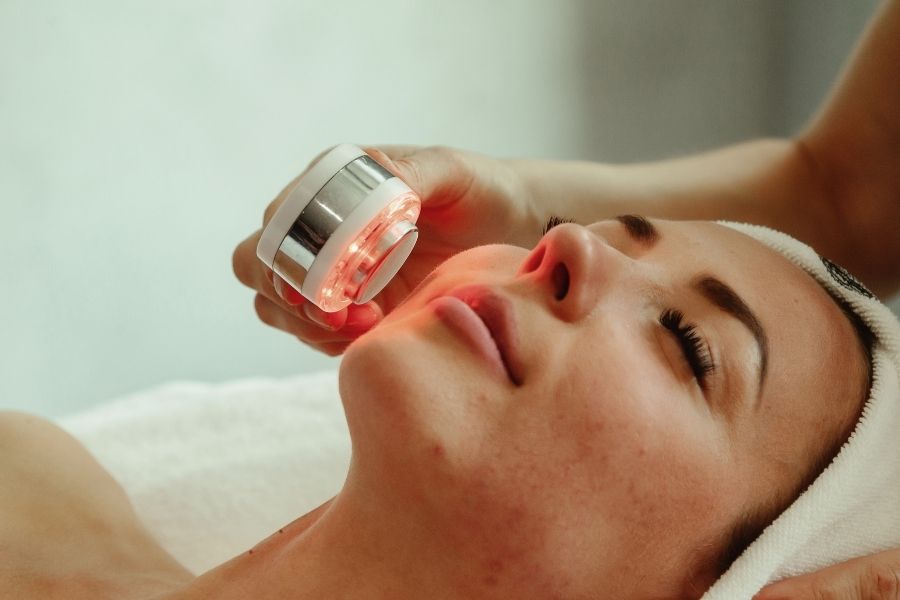
Handheld LED devices work great when you want to target specific problem spots. The LightStim for Wrinkles has earned actual dermatologist approval, which is rare in this space. You can zap crow’s feet on Monday and tackle forehead lines on Tuesday. Plus, it fits in your travel bag, so your light therapy routine doesn’t have to take a vacation.
Panel-style devices like the Joovv Mini bring that professional-grade red light therapy power to your bathroom. These bigger panels cover way more real estate than handheld options, so you can treat your chest, back, or multiple face areas simultaneously. Less time standing around holding a device to your face? Count me in.
LED neck and décolletage devices address the area most people completely ignore until it’s too late. The Trophy Skin RejuvaliteRX actually fits the curves of your neck instead of just being a flat panel you awkwardly press against your throat. Your neck shows age just as much as your face, sometimes more.
Budget options like the Project E Beauty LED Mask prove you don’t need to spend a fortune for effective LED skincare devices. Sure, the plastic feels cheaper and it might not last forever, but the light output hits therapeutic levels. Sometimes the difference between expensive and affordable is just fancy packaging and extra convenience features.
Red Light vs Blue Light: Which LED Light Therapy Wavelength You Need
Red light therapy is your go-to for fighting aging and boosting overall skin health. That 660-nanometer wavelength gets deep enough to wake up your fibroblasts – those are the cells pumping out collagen and elastin. If fine lines and rough texture are bugging you, red light is basically your skin’s personal cheerleader, encouraging all the good stuff that naturally slows down as you age.
Blue light acne treatment goes after active breakouts like a targeted missile. The 415-nanometer wavelength specifically hunts down acne bacteria without the harsh side effects of prescription gels that make your face peel off. But here’s the catch – it works best on angry, inflamed pimples, not so much on blackheads or whiteheads.
Combination devices offering both red and blue LED therapy give you flexibility for whatever your skin decides to throw at you. Breakout week? Blue light time. Anti-aging maintenance mode? Switch to red. The Omnilux Contour Face nails this approach, letting you customize based on your skin’s current drama instead of being stuck with one option.
Near-infrared wavelengths around 850 nanometers dive deepest and might help with muscle recovery and better circulation. Some devices mix this with red light for a more complete treatment. Gym rats love these combo devices because they can work on both vanity and recovery goals simultaneously.
Power intensity matters way more than most people realize. Professional devices pump out higher power densities (measured in milliwatts per square centimeter) than most consumer gadgets. But cranking up the intensity doesn’t automatically mean better results if you don’t adjust the time accordingly. It’s about finding that sweet spot between effective and excessive.
LED Light Therapy Benefits: What Science Actually Proves
Multiple clinical studies show LED therapy’s effectiveness for reducing fine lines and wrinkles. A 2014 study in Photomedicine and Laser Surgery found significant improvements in skin texture and collagen density after just four weeks of red light treatment. The participants used devices similar to what you can buy today, which proves you don’t need a dermatologist’s office to get real results.
Anti-inflammatory effects are another major win for specific LED wavelengths. Research shows red and near-infrared light can calm down inflammatory markers in skin tissue, potentially helping with rosacea or general irritation. This makes LED phototherapy perfect for sensitive skin that freaks out over harsh topical treatments.
Wound healing gets a serious boost from the right light wavelengths. The same stuff that helps surgical cuts heal faster can work on everyday concerns like acne scars or minor skin damage. Red light wavelengths encourage new blood vessel formation, basically giving your skin better nutrient delivery for repair work.
Acne reduction studies show impressive results for blue light therapy, especially for mild to moderate inflammatory breakouts. The bacteria die off within hours of treatment, though your skin usually takes weeks to show visible improvement. Unlike antibiotics or harsh prescriptions, blue light acne devices don’t create bacterial resistance or mess with your whole system.
Pain relief benefits go way beyond just skincare, particularly with near-infrared wavelengths. Studies on muscle recovery and joint pain show measurable improvements in both how people feel and actual healing markers. This double benefit makes LED therapy panels appealing for people wanting both skincare and wellness benefits from one device.
Safety Guidelines for At-Home LED Light Therapy Sessions
Eye protection isn’t optional when using any LED light device, no matter what wavelength you’re dealing with. Your retina can get fried by intense light exposure, and the damage builds up over time. Always use those dorky protective glasses that come with your device, or buy proper safety glasses if none are included. Trust me, no amount of glowing skin is worth risking your eyesight.
Treatment time follows a strict less-is-more rule that most people mess up. Devices typically recommend 10 to 20-minute sessions, and going longer doesn’t speed up results. Overdoing it can actually stress out your cells, causing inflammation instead of the healing response you want. LED treatment protocols from manufacturers get tested to find that perfect balance between effective and excessive.
Certain medications can make your skin way more light-sensitive than normal. Antibiotics like tetracycline, retinoids, and some antidepressants can turn you into a vampire who burns under therapeutic light. Check with your doctor if you’re taking anything, especially if you’ve noticed increased sun sensitivity lately. The interaction between meds and LED light therapy isn’t always obvious.
Pregnancy and breastfeeding call for hitting the pause button on light treatments. While studies haven’t shown harm from LED skincare treatments during pregnancy, your hormones are already doing crazy things to your body. Your skin will still respond to light therapy after pregnancy, so why add another variable to an already chaotic time?
Start slow and let your skin get used to LED light exposure gradually. Begin with shorter sessions and work your way up to full recommended times. Some people get mild headaches or eye strain initially, which usually goes away once your body adapts. Pay attention to what your skin is telling you instead of pushing through discomfort.
Choosing the Right LED Device for Your Skin Concerns
LED mask selection really comes down to your main skin issues and how you actually live your life. Full-face masks give you complete coverage but mean 20 minutes when you can’t do anything else. Handheld devices let you multitask and target specific areas, but you have to actively hold and move them around. Think about which option you’ll actually stick with for months.
Power output specs separate real devices from glorified night lights. Look for devices that actually tell you their irradiance levels in milliwatts per square centimeter. Effective therapeutic LED devices typically deliver between 5 to 40 mW/cm² depending on wavelength. If a company won’t give you actual numbers, they’re probably selling expensive mood lighting.
Wavelength accuracy beats having a rainbow of different colored lights every time. A device that precisely hits 660nm red light will crush one claiming to offer red, blue, green, purple, and unicorn colors with questionable accuracy. Professional LED therapy relies on exact wavelengths, not impressive light shows that look cool but do nothing therapeutic.
Build quality affects both your safety and whether the thing will still work next year. Cheap devices might have inconsistent LED output, poor heat management, or sketchy electrical safety. Reviews from people who’ve owned devices for months tell you way more than those initial “unboxing” impressions. LED device longevity directly impacts what you pay per treatment over time.
FDA clearance gives you extra peace of mind, though it’s not required for every effective device. The FDA has cleared several at-home LED devices for specific uses like acne treatment or wrinkle reduction. Clearance doesn’t guarantee results, but it means the device meets basic safety standards and has some clinical backing.
Creating an Effective LED Light Therapy Routine
Consistency beats intensity every single time when building your LED therapy schedule. Most dermatologists suggest starting with three to five sessions per week instead of going daily right away. This gives your skin time to actually respond and repair between sessions while keeping enough stimulus for real improvements. It’s like working out – regular moderate sessions beat sporadic intense ones.
Session timing is totally up to your lifestyle and preferences. Some people love morning LED treatments because the light exposure helps regulate sleep patterns while providing skin benefits. Others find evening sessions more relaxing and easier to squeeze in. The biological effects stay the same regardless of when you do it, so pick whatever you’ll actually stick with.
Clean skin works best for light penetration and treatment effectiveness. Makeup and lotions can block light absorption, though some LED therapy protocols actually recommend applying certain serums first to boost penetration. Check what your specific device manufacturer suggests instead of guessing that bare skin is always better.
Mixing LED phototherapy with other skincare treatments needs careful timing and planning. Retinoids and acid exfoliants can make you more light-sensitive, while vitamin C serums might boost the antioxidant effects of light therapy. Professional aestheticians often create custom protocols that sequence different treatments for maximum benefit without nasty interactions.
Progress photos help you see changes that happen so gradually you might miss them in daily mirror checks. Take consistent shots under similar lighting conditions to get objective evidence of improvements. Many people notice subtle changes that look dramatic when compared to baseline photos from weeks earlier. LED treatment results usually build up slowly rather than appearing overnight.
Ready to ditch those expensive spa appointments and get professional-level LED Light Therapy results from your own bathroom? The science is rock-solid, the device options are better than ever, and the results speak for themselves when you choose wisely and stick with it. Your skin has been waiting for this technology to become accessible and affordable. The only real question left is which device will become your new secret weapon against aging and breakouts?