
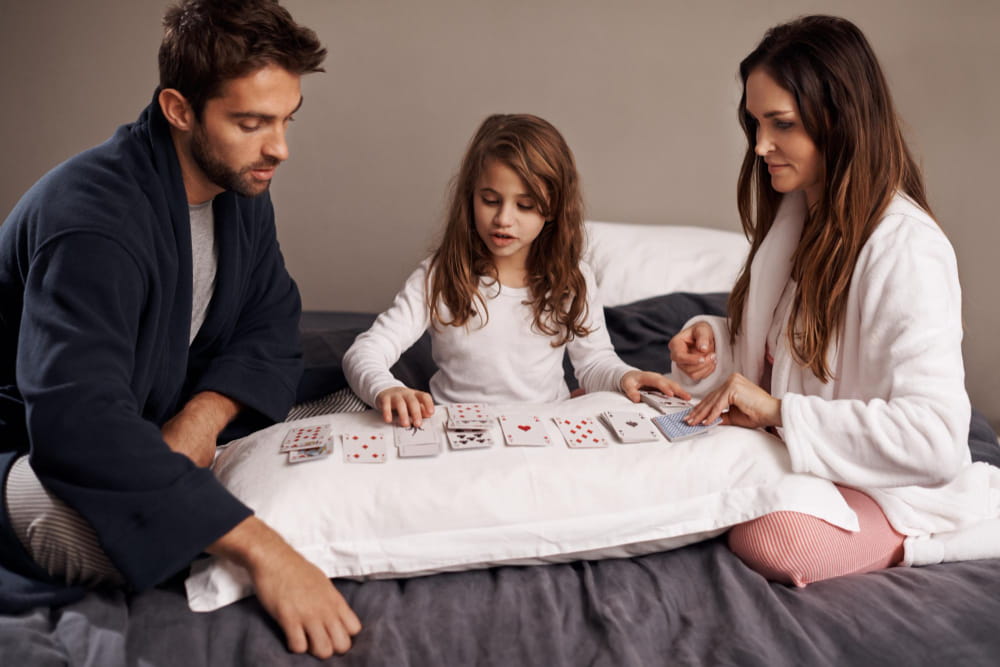
Discover how tarot and Lenormand cartomancy can support conscious parenting, improve communication with children, reduce anxiety, and foster a positive, balanced family environment through intuitive guidance.
Introduction: Easing Parental Concerns Through Cartomancy
Understanding Modern Parenting Fears
Every parent, at some point, wonders whether they are making the right choices for their child’s future. From school struggles to emotional well-being, the desire to guide children safely through life often comes with uncertainty and self-doubt. In today’s fast-paced world, these concerns are amplified by social pressure, information overload, and the fear of making mistakes that could impact a child’s development.
Cartomancy, when approached consciously, offers not predictions set in stone, but a gentle way to reconnect with intuition and emotional clarity. Rather than relying on rigid answers, it helps parents slow down, reflect, and better understand both themselves and their children.
Cartomancy as a Tool for Emotional Insight
Far from mystical clichés, tarot and oracle cards can be viewed as psychological tools that mirror inner feelings, hidden dynamics, and unspoken concerns within the family. For parents unfamiliar with divination, this approach may feel surprisingly grounded and supportive.
- It encourages thoughtful reflection instead of impulsive reactions
- It helps identify emotional needs—both for the parent and the child
- It supports more mindful and compassionate communication
Building a Bridge Between Intuition and Education
By integrating cartomancy into their personal development, parents can create a space where intuition and conscious parenting meet. The goal is not to “predict” a child’s destiny, but to better understand their emotional world and nurture their potential with confidence.
In this way, the cards become a supportive ally helping parents feel reassured, grounded, and better equipped to foster a positive, loving family environment.
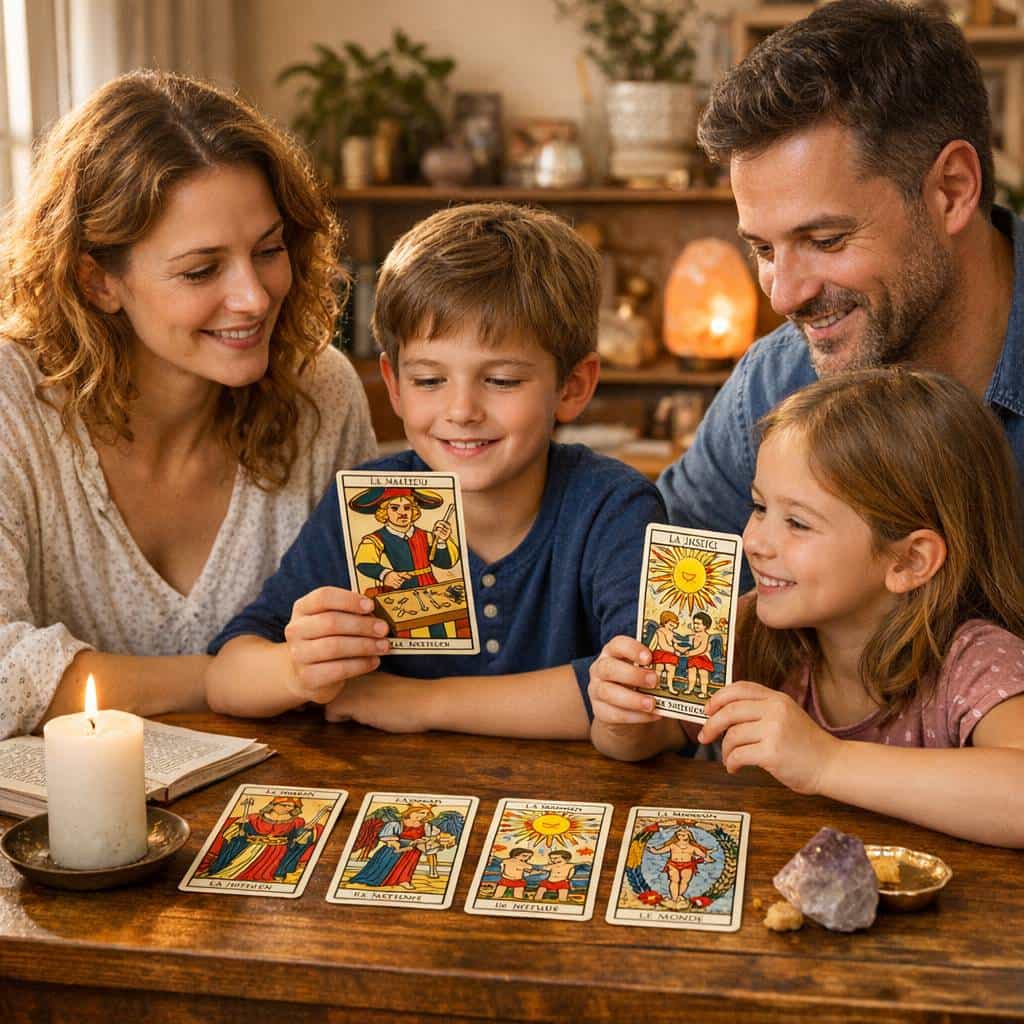
Cartomancy as a Psychological Tool for Conscious Parenting
Understanding the Role of Cards in Personal Growth
Cartomancy is not about predicting an unchangeable future, but about revealing inner dynamics that influence our daily lives. When parents explore tarot or oracle cards, they are not seeking rigid answers they are opening a space for self-reflection and awareness. Each symbol, image, and archetype acts as a mirror, reflecting emotions, beliefs, and unconscious patterns that may affect how they interact with their children.
By shifting from prediction to interpretation, parents can transform moments of doubt into opportunities for growth and understanding. This perspective is especially valuable in parenting, where emotional intelligence and adaptability play a key role in building healthy relationships.
- Cards highlight underlying emotional patterns
- They encourage deeper questioning instead of quick conclusions
- They foster a more mindful and intentional parenting approach
Reducing Anxiety and Building Parental Confidence
Parenting often comes with a constant feeling of responsibility and pressure to “get everything right.” Cartomancy offers a gentle way to step back from this pressure. By laying out a spread and reflecting on its meaning, parents create a pause a moment to breathe, reassess, and reconnect with their intuition.
This process can help transform anxiety into clarity. Instead of reacting out of fear or uncertainty, parents are encouraged to respond with awareness and calmness. Over time, this strengthens their confidence in their own inner guidance.
- It helps manage stress related to parenting decisions
- It reinforces trust in one’s intuition
- It promotes emotional balance within the family environment
Encouraging a More Conscious Family Dynamic
When parents develop a reflective practice through cartomancy, the benefits naturally extend to the whole family. A calmer, more self-aware parent creates a safer emotional space for children. This positive dynamic encourages open communication, empathy, and mutual understanding.
Ultimately, cartomancy becomes more than a simple tool — it evolves into a supportive practice that nurtures both personal growth and harmonious family relationships.
Improving Parent-Child Communication Through Tarot
Using Tarot Archetypes to Understand Emotional Blocks
Effective communication with children often begins with understanding what remains unspoken beneath their behavior. Tarot cards, especially from the Tarot de Marseille, offer rich symbolic language that can help parents explore these hidden emotional layers. Each archetype represents a psychological dynamic that may reflect the child’s experience or the parent’s perception.
By interpreting these symbols with openness rather than judgment, parents can uncover subtle emotional needs and adjust their communication style. For example, a child who appears withdrawn may not be “difficult,” but rather sensitive or overwhelmed.
- The Empress: invites nurturing dialogue and creative expression
- The Hierophant (Pope): reflects values, guidance, and transmission of knowledge
- Judgement: signals the need for open communication and emotional release
Simple Tarot Spreads to Better Understand Your Child
Parents do not need complex spreads to gain valuable insights. A simple three-card layout can already provide clarity and direction, making tarot accessible even for beginners.
- Card 1: The child’s current emotional state
- Card 2: The child’s underlying need
- Card 3: Guidance for the parent
This type of reading encourages reflection rather than reaction. Instead of addressing only surface behaviors, parents begin to understand the deeper emotional context behind them.
Creating a Safe Space for Compassionate Dialogue
When parents use tarot as a reflective tool, it naturally influences the tone of their communication. They become more attentive, less reactive, and more open to listening without immediate judgment. This shift creates a safe emotional environment where children feel heard and respected.
Over time, this mindful approach strengthens trust and encourages children to express their feelings more freely. The tarot, in this sense, acts as a silent guide helping parents ask better questions, respond with empathy, and build a more harmonious relationship with their child.
Helping Children Build a Positive Vision of Their Future
Encouraging Hope Without Imposing Destiny
Children thrive when they feel their future is open, flexible, and full of possibilities rather than fixed or predetermined. This is where cartomancy can offer subtle but meaningful support to parents. Instead of using the cards to predict exact outcomes, they can serve as a guide to highlight strengths, opportunities, and areas of growth that can be nurtured over time.
When approached with care, tarot and oracle cards become tools for empowerment, helping parents focus on encouragement rather than control. The goal is not to define who the child will become, but to better understand how to support their natural evolution.
- Focus on potential rather than fixed outcomes
- Use card interpretations as constructive guidance
- Encourage a growth mindset within the family
Helping Parents Shift Their Perspective
Parents often project their own fears or expectations onto their children, sometimes unconsciously. Cartomancy can help bring these projections to light. By reflecting on the cards, parents may recognize their own anxieties and learn to separate them from the child’s true needs.
This shift in perspective allows for a more balanced and supportive approach, where the child is seen as a unique individual rather than an extension of parental expectations.
- Identify personal fears influencing parenting decisions
- Develop a more objective understanding of the child
- Encourage respect for the child’s individuality
Supporting Emotional Confidence in Children
Even though children are not directly involved in the readings, the impact of a more confident and emotionally grounded parent can be profound. When parents feel reassured, they naturally create a more stable and positive environment.
This environment helps children develop self-confidence, resilience, and optimism about their future. Over time, these qualities become essential foundations for personal growth and emotional well-being.
Ultimately, cartomancy serves as a gentle guide—reminding parents that their role is not to control the future, but to nurture a child who feels capable of shaping it.
Gentle Rituals with Cards to Strengthen the Parent-Child Bond
Creating Meaningful Moments of Calm and Connection
Incorporating simple card-based rituals into daily life can become a powerful way to create moments of calm and emotional connection within the family. These rituals are not about predicting events, but about slowing down and reconnecting with oneself as a parent. In a busy routine, even a few minutes of quiet reflection can positively influence the atmosphere at home.
When practiced regularly, these gentle moments with the cards help parents cultivate a more peaceful mindset, which naturally benefits their relationship with their child. Children are highly receptive to their environment, and a calm, centered parent often leads to a more secure and balanced child.
- Set aside a quiet moment each day or week for reflection
- Use cards as a way to pause and reconnect with emotions
- Create a peaceful space free from distractions
Simple Ritual Ideas for Parents
These practices do not require any advanced knowledge of cartomancy. The intention behind the ritual is more important than technical skill. Parents can adapt these ideas to fit their lifestyle and personal preferences.
- Draw one card in the morning to set an intention for the day
- Reflect in the evening on a card representing the day’s emotional atmosphere
- Write down intuitive thoughts or insights inspired by the card
- Use a card as a support for short meditation or breathing exercises
These small rituals help parents stay grounded and emotionally available, even during stressful periods.
Building a Positive Emotional Environment at Home
Over time, these gentle practices influence the overall family dynamic. A parent who takes time for reflection and emotional awareness is more likely to respond with patience, kindness, and understanding. This creates a reassuring emotional framework for the child.
To explore this method in more depth, you can learn more by reading this article.
Rather than directly involving the child in the ritual, the benefits are transmitted naturally through the parent’s attitude and presence. The home becomes a space where emotions are acknowledged, respected, and gently guided.
Ultimately, these rituals are not about the cards themselves, but about the intention behind them: nurturing a loving, conscious, and emotionally secure family environment.