
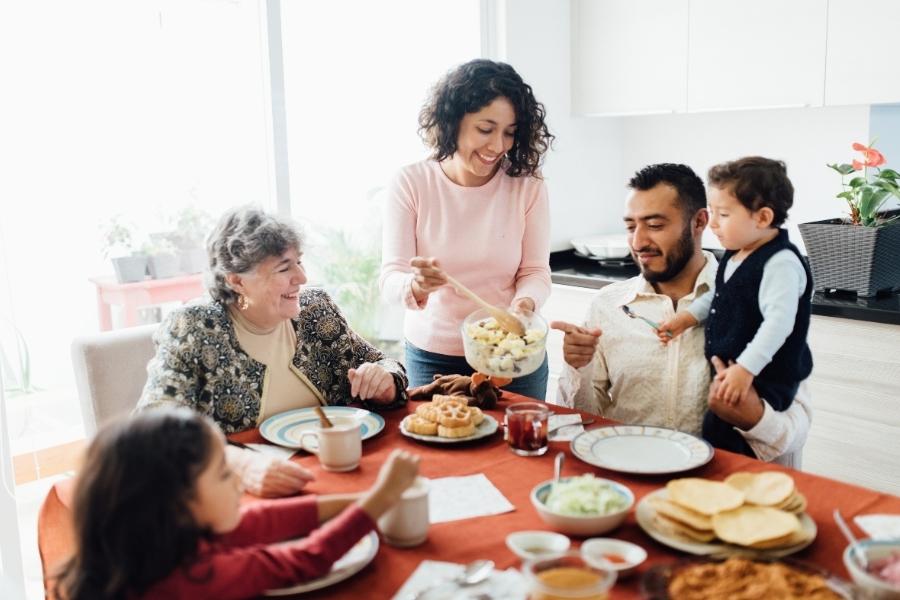
Family Dinner feels like a lost art sometimes, doesn’t it? Between soccer practice, work calls, and homework marathons, gathering everyone around the same table feels harder than solving a Rubik’s cube blindfolded. But here’s the thing: those chaotic weeknight meals where your toddler finger-paints with mashed potatoes? They’re actually gold mines of connection. You don’t need matching china or Martha Stewart-level culinary skills to nail this family dinner time thing. What you need is showing up, even when it’s messy. Especially when it’s messy. Meaningful family dinners happen in real kitchens with real families who burn toast and spill juice. They’re built from ordinary Tuesday nights and leftover conversations that somehow turn into the stories your kids will tell their therapists. Kidding! They’ll tell their own kids someday. Creating lasting mealtime traditions starts with ditching the Instagram-perfect expectations and embracing whatever beautiful chaos your family brings to the table.
Why Your Family Dinner Actually Changes Everything
Your dining table is basically relationship headquarters. It’s where your shy kid finally tells you about their crush, and where your teenager grudgingly admits they need help with algebra. Families who eat together don’t just share calories; they share life. And science backs this up, though you probably already know it from experience.
Kids from regular family dinner homes score better grades, make better choices, and somehow manage to be less anxious about life in general. It’s not magic, though it might feel like it. It’s consistency. It’s the daily practice of mattering to each other. When you prioritize family dinner, you’re essentially telling everyone at your table that they’re worth slowing down for.
But let’s get real for a second. Some nights, your family dinner table looks more like a negotiation zone than a Norman Rockwell painting. Someone’s complaining about the vegetables, another person is recounting their entire day in excruciating detail, and you’re just hoping everyone eats something before the ice cream demands begin. That’s not failure. That’s family. The beauty lies in showing up anyway, in creating space for all the beautiful messiness that comes with loving people.
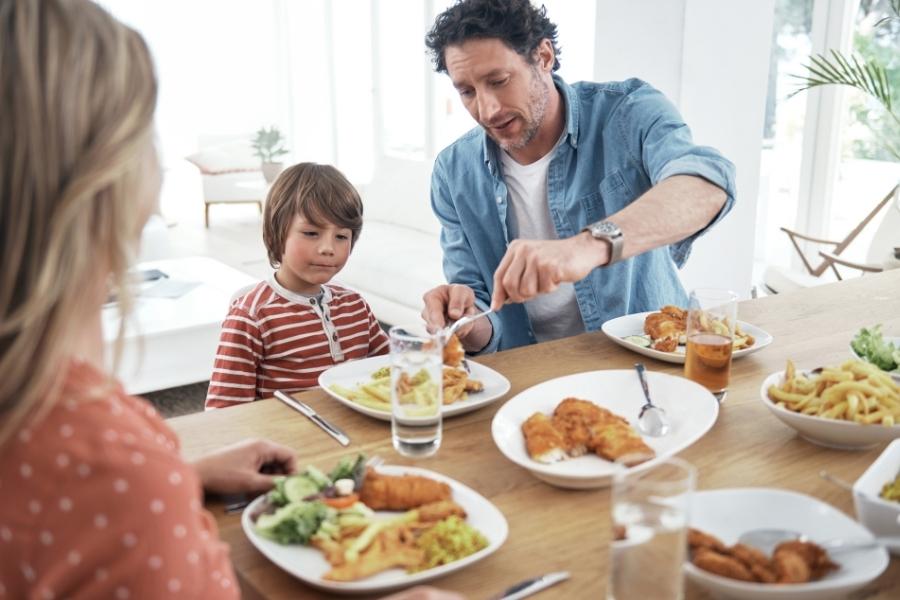
Setting Up Your Family Dinner Vibe
Forget Pinterest-perfect table settings. The secret to memorable family dinners lives in the details that actually matter: phones in a basket, good lighting that doesn’t make anyone look like they’re being interrogated, and enough space for everyone to exist comfortably. Start there.
Technology during dinner is like bringing a circus to a library. It just doesn’t work. Your family dinner experience improves dramatically when everyone’s attention stays in the same room instead of scattered across social media feeds and text conversations. Make it easy by creating a phone parking spot that everyone uses, parents included.
Lighting matters more than you’d think. Harsh overhead fluorescents make even the most delicious meal feel like cafeteria food. Soft lighting transforms any space into somewhere people want to linger. Candles work magic, but so do table lamps or even string lights if that’s your style.
Planning Without Going Crazy
Family dinners that happen consistently aren’t usually spontaneous miracles. They’re planned, but not in an exhausting, color-coded calendar kind of way. More like a loose game plan that everyone can live with. Get your family involved in deciding what happens at your table, because people support what they help create.
Try family dinner planning sessions that last maybe ten minutes max. Sunday afternoons work well for this. Everyone throws out ideas for the week ahead. Maybe Tuesday is always pasta night because it’s easy, or maybe Fridays mean pizza and a movie. Having some structure removes the daily decision fatigue without making things feel rigid.
Make-ahead family dinner strategies save your sanity on busy nights. Spend part of your weekend chopping vegetables, cooking grains, or assembling slow cooker meals. Future you will be incredibly grateful when Wednesday hits and dinner basically makes itself.
Conversation That Actually Happens
“How was your day?” ranks right up there with “Fine” in the hall of fame of conversation killers. Family dinner conversation needs better material than that. Ask about weird things that happened, funny things people overheard, or what they’d change about their day if they could rewind it.
Keep a family dinner conversation starter collection somewhere handy. Write questions on slips of paper and toss them in a jar. “If you could add one subject to school, what would it be?” beats “Did you do your homework?” every single time. “What made you laugh today?” opens doors that “How was school?” keeps locked.
Listen like you mean it. Put your fork down, look at whoever’s talking, and respond to what they’re actually saying. Kids notice when you’re really paying attention versus when you’re just waiting for your turn to talk about the grocery list.
Making Ordinary Nights Feel Special
Unique family dinner traditions don’t require event planning skills or extra trips to the store. Some families have backwards dinner nights where dessert comes first. Others let kids pick the music for the whole meal. Find what makes your people smile and then do that thing regularly.
Try rotating family dinner responsibilities so everyone gets to be in charge sometimes. Maybe Mondays belong to whoever wants to teach everyone a new word, or Thursdays mean someone shares something cool they learned that week. Small additions like this prevent dinner from feeling like just another item on the to-do list.
Holiday family dinner customs write themselves when you pay attention to what your family enjoys. Maybe you always make cookies together the night before big celebrations, or maybe everyone shares what they’re grateful for during December dinners. These moments stack up into the traditions your kids will miss when they move away for college.
Getting Everyone Into the Kitchen
Cooking together as a family turns meal prep from a chore into an event. Give everyone jobs that match their skills and attention spans. Little kids can wash berries and tear lettuce. Older kids can handle knives and stovetops with supervision. Everyone can taste-test and offer opinions.
Family cooking activities teach life skills without feeling like lessons. Kids learn to read recipes, measure ingredients, and understand timing. They also learn that mistakes happen in kitchens and that’s totally fine. Burnt edges don’t ruin dinner; they just add character.
Don’t stress about efficiency when you’re cooking with helpers. Yes, it takes longer when your seven-year-old insists on cracking every egg individually. But they’re learning, and you’re building memories that will outlast any time you save by doing everything yourself.
When Life Gets Complicated
Some weeks, family dinners look more like family snack times or family breakfast-for-dinner experiments. That’s okay. The goal isn’t perfection; it’s connection. Quick family dinner ideas keep you from abandoning the whole concept when life gets intense.
Alternative family dinner formats save the day when traditional dinners won’t work. Pack sandwiches and eat in the backyard. Have breakfast foods for dinner. Set up a picnic on the living room floor. The magic happens when you’re together, not when you’re following some imaginary rulebook about proper dining.
Embrace the chaos when things go sideways. Someone will spill something, another person will hate what you made, and the dog will probably steal food off someone’s plate. These imperfect moments often become the stories you laugh about years later.
Growing With Your Family
Evolving family dinner traditions should shift as your family changes. What works for families with toddlers might not work when those toddlers become teenagers with jobs and social lives. Stay flexible and ask for feedback. If something isn’t working, change it.
Take pictures, but not in an obsessive way. Capture the random Tuesday nights along with the special occasions. Write down funny things people say at dinner. Start a family dinner memory book that everyone can contribute to over time.
The values you teach during family dinner happen naturally when you make space for them. Patience grows when everyone waits for grace or for the last person to be served. Gratitude develops when you occasionally ask what people appreciated about their day. Kindness shows up when family members help each other and clean up together.
Family dinner traditions plant seeds that grow into lifetime habits. Kids who grow up expecting dinner together often recreate that expectation in their own homes someday. You’re not just feeding people; you’re showing them what it means to prioritize each other.
Your family dinner doesn’t need to look like anyone else’s version to be exactly right for your people. Whether you’re eating fancy meals off good plates or sharing pizza straight from the box, what matters is that you’re choosing to be present with each other. So tell me, what’s one small thing you could try at your next family dinner to make it feel a little more special?