
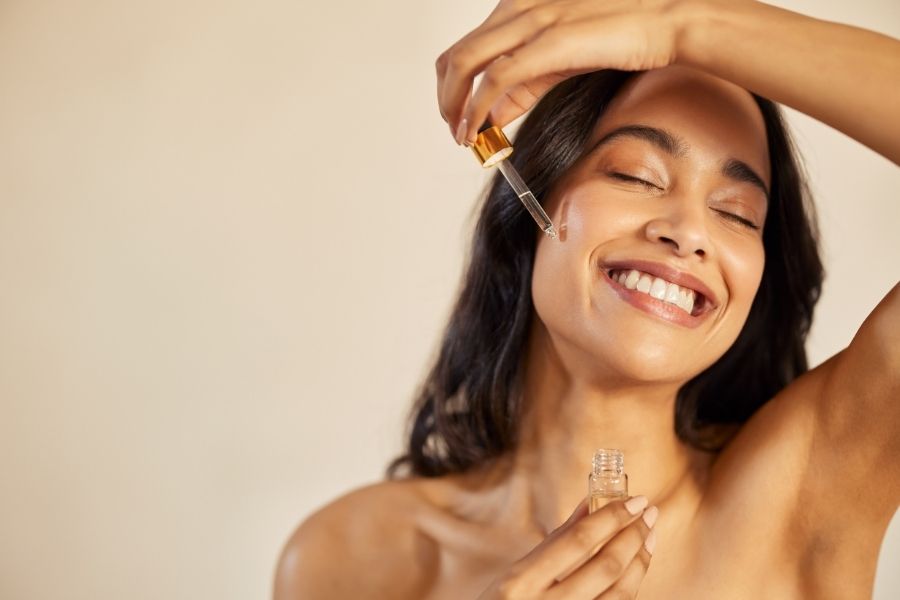
Anti-aging skincare routine stress hits different when you’re staring at your bathroom mirror at 6 AM, right? I’ve been there, squinting at laugh lines that definitely weren’t there last month. The beauty world keeps throwing confusing advice at us. Monday, everyone’s raving about retinol. Tuesday, some influencer claims it’ll destroy your face. Meanwhile, you’re drowning in $300 serums that promise miracles but deliver disappointment.
Here’s the thing though. Getting youthful radiant skin isn’t about fancy packaging or celebrity endorsements. It’s like tending a garden. You wouldn’t dump expensive fertilizer on dry soil and expect roses to bloom overnight. Your skin craves the same steady attention, not dramatic gestures that leave it confused and irritated.
Effective anti-aging skincare really comes down to five solid steps. That’s it. No 47-step Korean routines or products that need a chemistry degree to pronounce. I’ve watched friends spend thousands chasing the latest trends while ignoring the basics. Then they wonder why their skin looks angry instead of glowing.
The science behind aging skin prevention finally makes sense now. Researchers figured out that premature skin aging happens when internal stuff like genetics teams up with external villains like sun damage and city pollution. Instead of waging war against time, smart skincare works with your skin’s natural rhythm while giving it backup when things get tough.
Your Skin Ages Whether You’re Ready or Not
Let’s talk about what’s actually happening under there before we jump into the best anti-aging skincare routine. Picture your skin like a bustling neighborhood with different districts. The top layer acts like security, keeping bad stuff out. Deeper down, collagen and elastin work like the structural engineers, keeping everything firm and bouncy.
Around 25, your collagen factory starts slowing down. We’re talking about 1% less production each year. Doesn’t sound like much until you realize that’s why your forehead creases don’t bounce back like they used to. Your skin’s cleanup crew also gets lazier, letting dead cells hang around longer than they should.
Then there’s the environmental beatdown. UV rays are basically tiny hammers, smashing collagen fibers and creating chaos at the cellular level. Air pollution, stress, that cigarette habit you swore you’d quit, poor sleep habits. They all pile on, creating what scientists call the “exposome.” Fancy word for “everything that ages your skin faster than it should.”
This explains why slapping random products on your face doesn’t work. Your anti-aging skincare routine needs to tackle multiple problems at once. Like fixing a leaky roof, you can’t just patch one hole and call it done.
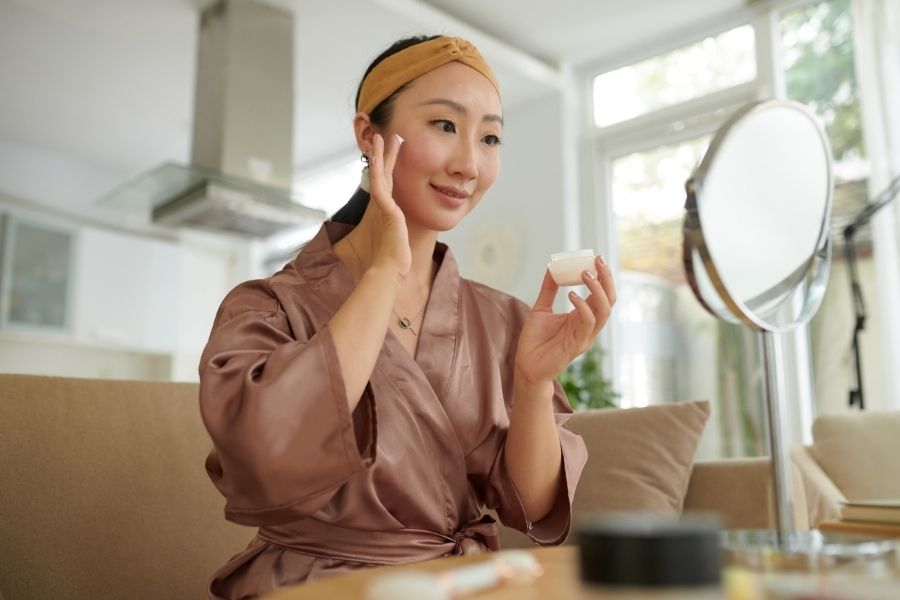
Step 1: Stop Destroying Your Skin While Trying to Clean It
Most people mess up their anti-aging skincare routine right from step one. Either they barely wash their face, leaving makeup and grime to throw a party in their pores. Or they scrub like they’re cleaning grout, stripping away everything their skin needs to stay healthy.
Gentle daily cleansing should feel like a reset button, not a punishment. Your skin has a natural pH sweet spot between 4.5 and 6.5. Harsh cleansers throw that balance completely out of whack. Ever notice how your face feels tight and angry after using that “deep clean” face wash? That’s your skin screaming for help.
Cream cleansers work magic on dry or mature skin. Gel cleansers handle oily skin without overdoing it. The goal is clean skin that doesn’t feel like sandpaper afterward. If your cleanser leaves your face feeling squeaky, it’s too harsh. Trust me on this one.
Double Cleansing Actually Makes Sense
Double cleansing for anti-aging sounds extra, but hear me out. Korean beauty experts figured this out years ago. First, you use an oil-based cleanser to melt away makeup, sunscreen, and that gross layer of city air that clings to your face. Then a regular cleanser finishes the job.
Start with a lightweight cleansing oil. Massage it around for maybe 30 seconds. Don’t go crazy with the pressure. This step breaks down all the stubborn stuff that regular soap can’t touch. Follow up with your normal cleanser, work up a gentle lather, then rinse with lukewarm water. Hot water feels amazing but it’s terrible for your skin.
Keep the whole process under a minute. Your skin isn’t a dirty pot that needs serious scrubbing. It’s more like delicate fabric that needs careful handling. Over-cleansing disrupts the good bacteria living on your skin. Yes, you want that bacteria there.
Step 2: The Heavy Hitters That Actually Work
Now we get to the fun stuff in your anti-aging skincare routine. These are the ingredients that actually change how your skin behaves over time. But here’s where people go nuts and try everything at once. That’s like trying to learn piano by playing every song simultaneously.
Retinoids for wrinkle prevention are still the gold standard. Decades of research prove they work. These vitamin A cousins speed up cell turnover and kick your collagen production into higher gear. But they’re not instant magic. They’re more like personal trainers for your skin cells.
Start low and go slow with retinoids. Grab something with 0.25% to 0.5% retinol. Use it twice a week max at first. I know you want results yesterday, but rushing this process creates angry, peeling skin. Nobody wants that. After about six weeks, bump it up to every other night if your skin’s happy.
Vitamin C Isn’t Just for Orange Juice
Vitamin C serums for aging skin are like bodyguards for your face. They fight off free radicals during the day while helping your skin make more collagen. Morning application works best since you want that protection when you’re out facing the world.
Look for concentrations between 10-20% for daily vitamin C application. Higher doesn’t always mean better. Sometimes it just means more irritation. Apply it to clean skin and wait a few minutes before piling on other stuff. Some people feel a slight tingle at first. That usually goes away as your skin gets used to it.
Start every other day if you’re nervous about sensitivity. Your skin will tell you if something’s wrong. Listen to it instead of pushing through thinking “no pain, no gain” applies to skincare. It doesn’t.
Step 3: Your Skin Is Thirsty and You’re Probably Ignoring It
Hydration makes everything better in your anti-aging skincare routine. But people mix up hydration and moisturizing all the time. Hydration is about getting water into your skin cells. Moisturizing is about trapping that water so it doesn’t escape. You need both working together.
Hyaluronic acid for plump skin is having a moment, and it deserves the hype. This stuff holds 1,000 times its weight in water. It’s like a tiny sponge for your face. But here’s the catch: it works best on damp skin and needs to be sealed in with moisturizer. Skip that step and it might actually pull moisture out of your skin.
Layer your products thinnest to thickest. Start with a hydrating toner, add your serums, then lock everything in with moisturizer. This isn’t complicated, but order matters. You wouldn’t put on socks over your shoes, right?
Finding Your Perfect Moisturizer Match
Anti-aging moisturizers with peptides do more than just sit on your skin looking pretty. Peptides are like text messages to your skin cells, telling them to make more collagen and generally get their act together. Look for ingredients like palmitoyl pentapeptide-4 or copper peptides. These have actual research backing them up.
Your moisturizer texture should match your skin type and where you live. Thick creams work great for dry skin or if you live somewhere with brutal winters. Lightweight lotions or gel-creams suit oily skin better. If you live somewhere humid, you might prefer lighter textures year-round.
Don’t forget your neck and chest area in your daily skincare routines. Your neck skin is actually thinner and more delicate than your face. It shows aging signs just as fast but gets ignored constantly. Extend your routine down to your décolletage. Future you will thank current you.
Step 4: Sunscreen Isn’t Negotiable Anymore
Real talk about daily sunscreen application: it’s the most important thing in any anti-aging skincare routine. Everything else is basically useless without sun protection. All those expensive serums and treatments? They’re fighting a losing battle if you’re not wearing sunscreen every single day.
Broad-spectrum SPF for anti-aging protects against both UVA and UVB rays. UVB causes sunburns and surface damage. UVA goes deeper, breaking down the collagen and elastin that keep your skin looking young. Most people slather on sunscreen at the beach but forget about it during regular life. Those car rides, office windows, and quick trips to grab coffee add up fast.
You need about ¼ teaspoon for your face and neck. That’s more than most people use. Using half the amount gives you about 25% of the protection. Math is brutal sometimes. This is why dermatologists push SPF 30 or higher, assuming you won’t apply it perfectly.
Physical vs Chemical Sunscreens Explained
Mineral sunscreens for sensitive aging skin use zinc oxide or titanium dioxide. They sit on top of your skin like tiny umbrellas, physically blocking UV rays. These tend to be gentler and less likely to cause reactions. Modern versions aren’t those thick white masks from the ’80s. Many brands make tinted versions that actually look good.
Chemical sunscreens absorb UV rays and convert them to heat. Ingredients like avobenzone and octinoxate provide solid protection and usually feel lighter. Some people react badly to chemical filters, especially if they have rosacea or super sensitive skin.
The best sunscreen is whatever you’ll actually use every day. Some people want separate sunscreen for maximum protection. Others prefer moisturizers or makeup with built-in SPF for convenience. Both work fine as long as you apply enough and reapply when needed.