
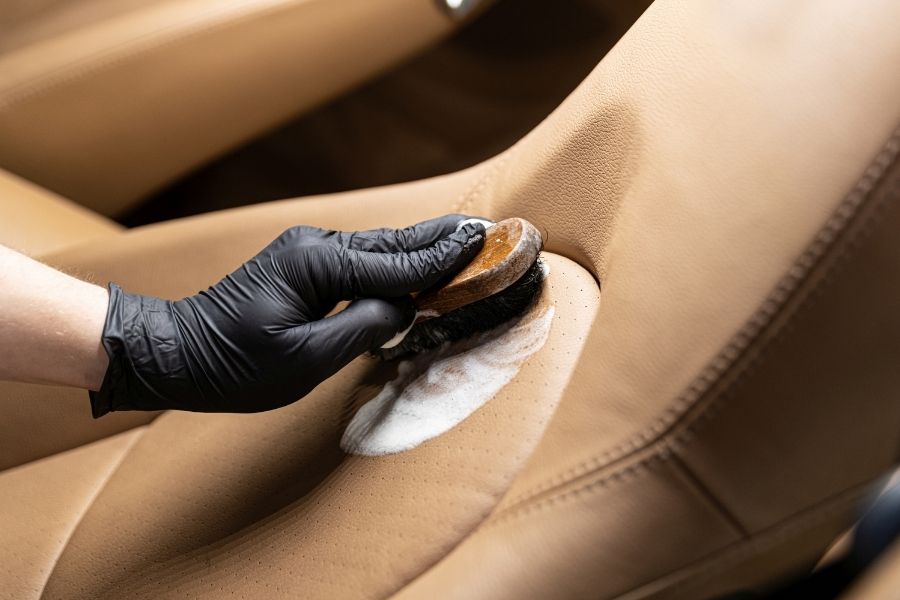
Leather care doesn’t have to feel like rocket science, even though most people treat it that way. You know that gorgeous bag sitting in your closet? The one you baby because you’re terrified of ruining it? Well, here’s the thing: leather wants to be used and loved, not hidden away like some museum piece. Think about it like your skin after a long day – it needs a drink of water and maybe some good moisturizer.
Your bag cost you good money, whether you saved up for months or splurged on a whim. But here’s what nobody tells you: expensive doesn’t automatically mean indestructible. I’ve seen $2000 designer bags that look like they’ve been through a blender, and vintage finds that still look stunning after decades. The difference? Someone knew these five secrets.
Most people mess this up spectacularly. They either ignore their bags completely until something goes wrong, or they go overboard with products and treatments that do more harm than good. It’s like overwatering a plant – too much love can kill it. But get this right, and your leather maintenance becomes almost automatic, something you do without thinking that keeps your bags looking incredible.
Know Your Leather Before You Touch It
Not all leather is created equal, and treating your delicate Italian handbag like a work boot is a recipe for disaster. This isn’t about being precious – it’s about being smart with what you’ve got.
Full-grain leather is the real deal. It’s got all the natural texture and character, and honestly, it gets better looking with age. Like a good wine or your favorite jeans that fit just right. This stuff loves leather conditioning treatments and will reward you with that gorgeous patina everyone talks about. Top-grain is the younger sibling – still great quality but a bit more processed. It behaves well and doesn’t give you many surprises.
Then you’ve got the heavily processed stuff with all the coatings. It’s not bad, just different. Think of it like the difference between a cotton t-shirt and a synthetic blend. Both have their place, but you wouldn’t wash them the same way, right?
The finish matters too. Some leathers soak up everything like a sponge – water, oils, that coffee you spilled last Tuesday. Others have more protection built in. Knowing which type you’re dealing with saves you from those “oh no, what did I just do” moments.
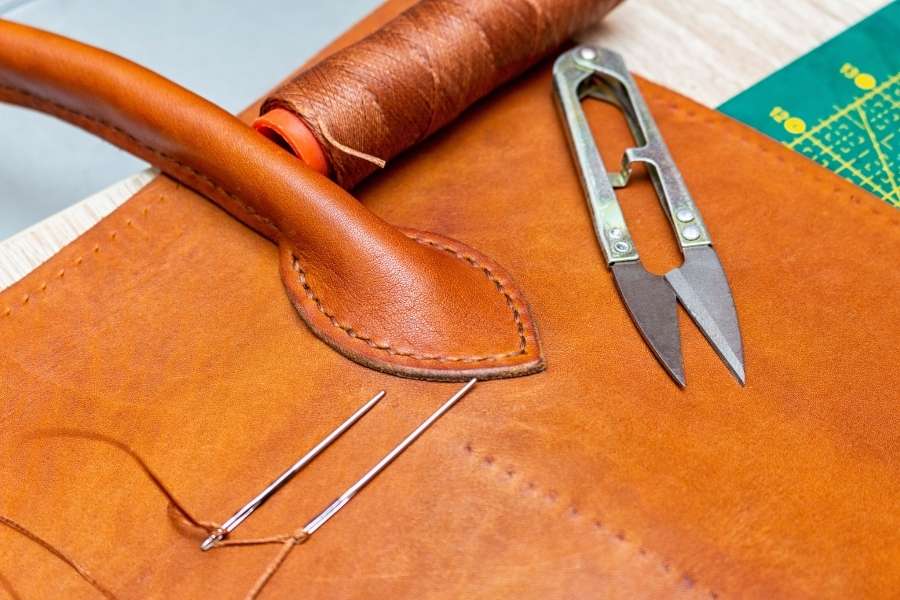
Secret #1: Clean Without Destroying (It’s Trickier Than You Think)
Here’s where most people go wrong: they attack their leather like they’re scrubbing the bathtub. Leather isn’t dirty dishes – it’s more like washing a silk blouse. Gentle is the name of the game.
Start simple. A barely damp microfiber cloth handles most everyday grime. You’d be amazed what this does for bags that look grimy but aren’t really dirty – just dusty. For stubborn spots, mix one part white vinegar with two parts linseed oil. Sounds weird, I know, but this natural leather cleaning solution works magic on water rings and light scuffs.
Got ink on your bag? Don’t panic and start scrubbing. That’s how you turn a small problem into a big, expensive one. Use a proper leather cleaner, test it somewhere hidden first, and work in tiny circles with barely any pressure. Think massage, not sandpaper.
Removing stains from leather bags is all about timing. Fresh spills? Blot them immediately – no rubbing, just gentle pressure. Old stains are tougher, but they’re not necessarily permanent. Just don’t expect miracles if you’ve let something sit there for months.
Secret #2: Conditioning Done Right (Less Is Actually More)
Everyone thinks conditioning means slathering their bag in product until it’s dripping. Wrong. So wrong. Think face moisturizer, not butter on toast. You want to feed the leather, not drown it.
Good leather conditioners are like vitamins for your bag. They replace the natural oils that evaporate over time. Mink oil is fantastic for water resistance but can darken some colors. Neatsfoot oil goes deep but can make leather too soft if you overdo it. Synthetic conditioners are the safe middle ground – predictable and gentle.
Clean first, always. You don’t want to seal dirt into your leather. Apply conditioner with a soft cloth, work it in gently, then wait. Patience here pays off big time. Let it soak in for 15-30 minutes, then buff off the excess. No shortcuts.
Most bags need conditioning every few months, not every few weeks. More isn’t better with leather bag maintenance. Over-conditioned leather gets sticky, attracts dirt, and feels weird. Trust me, you’ll know when you’ve gone too far.
Secret #3: Storage That Actually Protects Your Investment
This is where people get lazy and pay for it later. Tossing your bag in the back of the closet isn’t storage – it’s neglect with extra steps.
Leather hates extreme temperatures and humidity swings. Too hot and it cracks like desert mud. Too humid and you get mold. Aim for normal room temperature with moderate humidity. Basically, if you’re comfortable, your leather probably is too. This optimal leather storage environment isn’t complicated – just consistent.
Stuff your bags to keep their shape, but don’t overstuff them. Use acid-free tissue or clean cotton fabric. Never newspaper – the ink bleeds and the acid eats at the leather over time. Your bag should look like itself, just resting, not stretched tight or completely collapsed.
Let your leather breathe. Plastic bags are death traps for leather. They trap moisture and create perfect conditions for mold and mildew. Use the dust bag that came with your purse, or get a cotton one. Preventing leather damage during storage is mostly about airflow and avoiding extremes.
Keep bags out of direct sunlight during storage. UV rays fade and dry leather faster than anything else. Rotate stored bags occasionally so they don’t develop permanent creases. Check on them every few months – just a quick look to make sure everything’s still good.
Secret #4: Fighting the Elements (Your Bag vs. The World)
Your bag lives in the real world, which means dealing with weather, pollution, and all the other stuff that wants to age your leather prematurely.
Rain happens. Snow happens. Humidity happens. But weather protection for leather bags doesn’t mean wrapping them in plastic. A good leather protectant spray creates an invisible shield that repels water while letting the leather breathe. Apply it before you need it, not after you’re already soaked.
Even treated leather has limits. It’s water-resistant, not waterproof. There’s a difference. If your bag gets soaked, let it dry naturally – no hair dryers or heaters. Stuff it lightly to maintain shape and let time do its work.
Heat sources are leather killers. Radiators, car dashboards, direct sunlight through windows – they’ll dry out your bag faster than you can say “expensive mistake.” Cold makes leather brittle, so don’t bend or flex bags that have been in freezing temperatures until they warm up.
City living brings its own challenges. Pollution, road salt, smog – they all want to mess with your leather. Urban dwellers need to clean more often and consider protective treatments designed for urban leather care challenges. That white residue from winter salt? Clean it off immediately or it’ll leave permanent marks.
Secret #5: Pro Tricks You Can Actually Pull Off at Home
You don’t need a degree in leather science to handle most problems that come up. Some professional leather repair at home techniques are surprisingly simple once you know what you’re doing.
Color fading isn’t always permanent. Sometimes it’s just surface coating that’s worn off, not the actual leather underneath. Leather color restoration techniques involve gentle cleaning followed by thin applications of matching dye. Build color slowly – you can always add more, but you can’t take it back.
Scratches and scuffs respond to different treatments depending on how deep they go. Surface marks often disappear with gentle buffing using a soft cloth. The oils in the leather redistribute and hide minor damage. Deeper scratches might need a tiny bit of matching dye, applied carefully and blended well.
Keep a simple repair kit handy: cleaner, conditioner, matching dye if you can find it, soft cloths, and small brushes. For major damage like tears or deep gouges, don’t be a hero. Find a professional who knows what they’re doing.
Bag edges take the most abuse because that’s where your hands touch most often. Keep them clean and occasionally hit them with a tiny bit of edge paint or conditioner. It makes the difference between a bag that looks loved and one that looks worn out.
Know when to quit. Some repairs need professional equipment and expertise. But most day-to-day maintenance and minor fixes are totally doable at home with patience and the right approach.
Your leather bags can outlast most of your other possessions if you treat them right. These five secrets – knowing your material, cleaning gently, conditioning smartly, protecting from the environment, and handling basic repairs – aren’t rocket science. They’re just good sense applied consistently.
Leather care becomes second nature once you get the hang of it. Your bags develop character and patina that tells your story. Each scratch and mark becomes part of their personality instead of damage to hide. Pretty cool how a little knowledge and regular attention can turn everyday accessories into lifetime companions, don’t you think?