
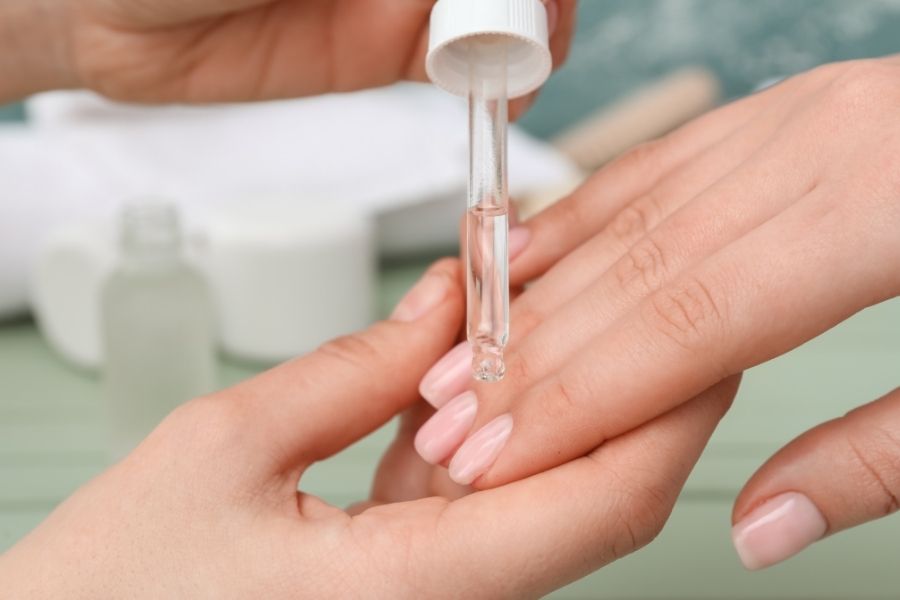
Cuticle care routine sounds fancy, but honestly? Your cuticles are probably crying for help right now. You know those annoying bits of skin that frame your nails? They’re actually working overtime as tiny bouncers, keeping nasty stuff out while making your nails look amazing.
Here’s the thing about cuticles: ignore them, and they’ll make you pay with raggedy, painful hangnails. Show them some love, and boom – your hands suddenly look like you just walked out of an expensive salon. It’s wild how such a small detail makes such a huge difference.
Ever wonder why some people’s hands always look flawless? Spoiler alert: it’s not magic or good genes. They’ve cracked the code with a simple cuticle care routine that literally takes five minutes. Want in on their secret?
Understanding Your Cuticles: The Foundation of Any Cuticle Care Routine
Look, your cuticles do way more than just sit there looking pretty (or not so pretty). They’re like tiny security guards preventing gross bacteria from crashing the party where your new nail cells are born. When cuticles get damaged, your whole nail game suffers.
You’ve got two main players here: the eponychium (that’s the living stuff) and the pterygium (dead skin that’s basically glued to your nail). Knowing which is which helps you treat each one right. Healthy cuticle management isn’t rocket science, but it does require some basic know-how about when to trim versus when to just push things around.
Your cuticles naturally pump out oils to keep everything smooth and protected. But between washing dishes, cleaning with harsh chemicals, and just living life, those oils get stripped away faster than you can say “hangnail.” That’s when things get ugly – dry, cracked, and downright painful.
Signs Your Cuticles Need Immediate Attention
Spotting problem cuticles isn’t exactly brain surgery. Dry, white, flaky bits screaming “moisturize me!” Puffy, red cuticles that look angry? That’s usually infection territory or you went too hard with the trimming. And those evil hangnails that catch on everything? Classic sign of torn, neglected cuticles.
Professional nail care specialists swear by the daily check-in. Just a quick glance while you’re brushing your teeth or whatever. Look for weird colors, rough patches, or anything that hurts. Catching problems early saves you from bigger headaches later.
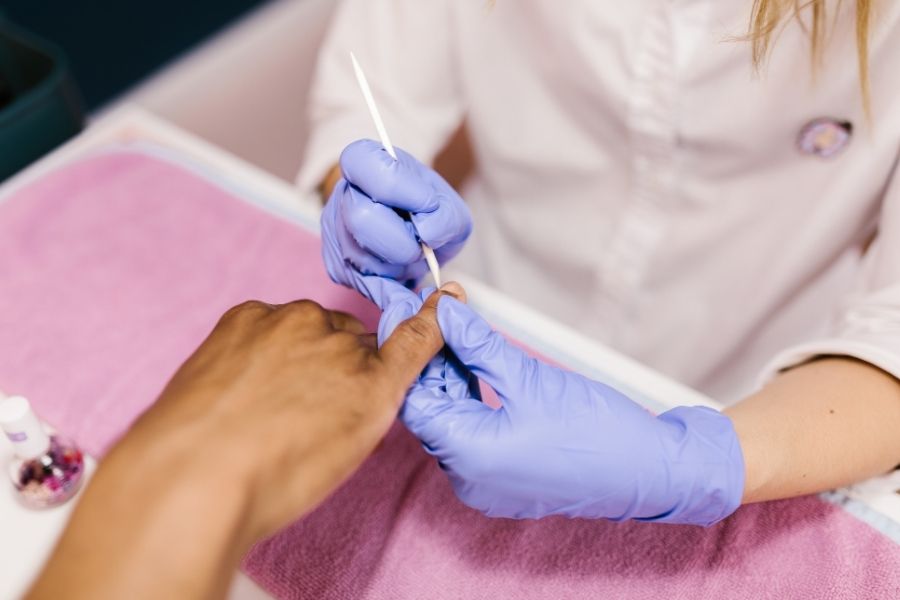
Essential Tools for Your Cuticle Care Routine Arsenal
You don’t need to spend a fortune, but cheap tools will absolutely ruin your day. A solid set of cuticle care tools is like having the right ingredients for a recipe – everything just works better.
Cuticle nippers are your MVPs, but here’s where quality actually matters. Get the good stuff – surgical-grade stainless steel with scary-sharp blades that slice clean. Those bargain-bin nippers? They’ll mash your cuticles instead of cutting them, leaving you with jagged edges and possible infections.
Your cuticle pusher is like that friend who gives gentle nudges in the right direction. Metal ones give you precision, rubber-tipped ones are kinder to sensitive skin. Some fancy tools do both, which is pretty sweet if you’re building a collection.
Cuticle scissors are for people who want more control than nippers give you. The curved blades follow your cuticle shape naturally, and those pointy tips are perfect for getting those stubborn hangnails.
Specialized Cuticle Care Routine Tools
Cuticle removers and softeners are like magic potions that melt away dead skin without the wrestling match. These babies have gentle acids or enzymes that break down the gross stuff while leaving your healthy skin alone.
Glass or crystal files deserve a shoutout because smooth nails mean happy cuticles. When your nail edges are perfectly smooth, they won’t snag on clothes or hair and tear your cuticles. It’s all connected, people.
Cuticle oils and creams are your daily maintenance crew. Good ones with jojoba oil, vitamin E, or lanolin actually penetrate deep and stick around. Skip the watery stuff that disappears in five minutes.
Step-by-Step Cuticle Care Routine Techniques
Timing is everything with cuticle care effectiveness. Hit them right after a shower when everything’s soft and cooperative. Trying to work on dry cuticles is like trying to cut leather with safety scissors – frustrating and ugly.
Slap on some cuticle remover first and let it do its thing for about 5 minutes. Don’t just sit there tapping your foot – use that time to file your nails. Multitasking for the win.
Proper cuticle pushing technique isn’t about brute force. Think gentle persuasion, not aggressive bulldozing. Hold your pusher at about 45 degrees and work side to side in smooth overlaps. If it hurts, you’re doing it wrong.
Advanced Cuticle Care Routine Methods
Pro manicurists have this two-stage removal process down to an art. First, they soften everything up chemically, then they figure out what actually needs cutting versus what just needs repositioning. Smart, right?
When you do need to trim, remember: less is more. Safe cuticle trimming practices mean tiny, careful snips instead of trying to hack off huge chunks. Only cut the obviously dead, loose bits.
Want to feel fancy? Try hot towel treatments like they do at spas. Wrap warm, damp towels around your hands for 5-10 minutes before you start. Your cuticles will be ridiculously soft and easy to work with.
Common Cuticle Care Routine Mistakes to Avoid
Going ham with the nippers is mistake number one, and it leads to infections and weeks of painful regret. People see cuticle skin and think “cut it all off!” but some of that skin is actually protecting you.
Skipping the softening step is like trying to peel an orange with the skin still hard. Everything tears instead of coming off cleanly. Always prep your cuticles first, no exceptions.
Dirty or dull tools are gross and dangerous. Proper tool maintenance means cleaning with alcohol after every use and replacing or sharpening when they get dull. Good tools are an investment, so treat them right.
The Dangers of Excessive Cuticle Care Routine Frequency
Daily cuticle cutting is overkill that’ll mess up your nails long-term. Optimal cuticle care frequency is more like once or twice a week, depending on how fast yours grow and what kind of beating your hands take.
Red, swollen, or painful cuticles need you to back off, not keep poking at them. Sometimes you need to wave the white flag and maybe see a professional.
Professional vs. DIY Cuticle Care Routine Approaches
Professional manicurists have years of practice and fancy tools that make cuticle care techniques look effortless. They spot problems before they become disasters and use equipment most of us have never even seen.
But DIY cuticle maintenance has its perks too – convenience, cost savings, and you can do it in your pajamas. The trick is knowing when you’re in over your head.
Pros get to play with electric cuticle removal gadgets and pharmaceutical-grade softeners that blow drugstore products out of the water. But they also know how to use them without causing damage.
Building a Hybrid Cuticle Care Routine Strategy
Smart people do both – professional treatments every month or two with careful home maintenance in between. Best of both worlds: amazing results without going broke or spending half your life in the nail salon.
Professional cuticle assessment is like getting a diagnosis for your specific issues. A good tech can tell you exactly what tools and products will work for your particular cuticle personality.
Troubleshooting Your Cuticle Care Routine Results
If your cuticles are still a hot mess despite following all the rules, it’s probably not the products – it’s your technique. Dry cuticles that stay dry might be dealing with health issues or your environment is just too harsh.
Cuticle care routine adaptation is real. What works in summer humidity might fail spectacularly during winter’s dry hell. Stay flexible and adjust as needed.
Infections are serious business. Red, swollen, oozing, or getting worse instead of better? Stop everything and maybe see a doctor. Don’t mess around with infected cuticles.
Advanced Problem-Solving Techniques
Stubborn cuticle issues sometimes need creative solutions. Overnight treatments with thick creams or oils can rescue severely damaged cuticles that regular care can’t touch.
If your cuticles grow faster than weeds, try modified maintenance schedules with more frequent gentle pushing but less aggressive cutting. This keeps things looking tidy without over-doing it.
Seasonal Adjustments for Your Cuticle Care Routine
Winter is brutal on cuticles with dry indoor heat and freezing outdoor temps. Cuticle protection strategies mean heavy-duty creams, frequent applications, and maybe even wearing gloves more than usual.
Summer brings its own challenges – chlorine pools, air conditioning, and sun exposure. Summer cuticle care usually needs lighter products applied more often instead of thick creams used sparingly.
Spring and fall are transition times when your cuticles can’t decide what they want. Keep an eye on them and switch up your routine based on how they’re reacting to the changing weather.
Your cuticle care routine adventure doesn’t stop once you master the basics. Like learning to cook or parallel park, it gets better with practice and paying attention to what actually works for you.
Consistency beats perfection every single time. A simple routine done regularly destroys elaborate treatments done randomly. Start small, build good habits, then get fancy with the advanced stuff once you’ve got the fundamentals down.
Who would’ve thought tiny strips of skin could make such a massive difference in how your hands look? Now that you’ve got the inside scoop on professional techniques, what’s your excuse for not having amazing-looking cuticles?