
Beauty Product Shots can make or break your cosmetic brand’s success online. Picture this: you’ve got an amazing lipstick formula, but your photos look like they were taken in a dimly lit garage. Not exactly screaming “buy me now,” right? Your smartphone might be great for selfies, but when it comes to selling beauty products, you need shots that make people stop mid-scroll and reach for their wallet.
Here’s the thing about beauty photography – it’s pure psychology wrapped in pixels. You’re not just showing a product; you’re selling transformation, confidence, that perfect Instagram moment. Every tiny detail matters, from how light bounces off your compact mirror to whether that eyeshadow palette looks expensive or like a drugstore dupe.
What you’re about to discover will change how you approach cosmetic product photography forever. We’re talking real techniques that photographers charge thousands for, broken down into bite-sized pieces you can actually use. Ready to turn your beauty products into visual magnets that customers can’t resist?
Getting Your Gear Right for Professional Beauty Product Shots
Let’s talk equipment without getting caught in the “you need expensive everything” trap. Your Beauty Product Shots don’t require a Hollywood budget, but they do need some key pieces that’ll separate your work from blurry phone pics.
A decent camera with manual controls beats auto mode every single time. Think of auto mode like letting your GPS drive your car – it might get you there, but you’re missing all the scenic routes. Manual mode lets you decide exactly how that highlighter catches the light or whether your foundation bottle looks creamy or chalky.
DSLR or mirrorless? Both work beautifully for beauty photography. The real magic happens with macro capabilities – being able to get close enough to show that gorgeous shimmer in an eyeshadow or the smooth texture of a lip balm. Details sell products, and macro lenses capture details your eyes might miss.
Camera Settings That Actually Work
Forget everything you think you know about aperture settings. For Beauty Product Shots, f/8 to f/11 keeps everything crisp without going overboard. Too wide open and half your product disappears into blur. Too narrow and you’re fighting diffraction that makes everything look soft and unprofessional.
ISO stays low – we’re talking 100 to 400 max. Higher numbers might seem tempting when light gets tricky, but grain makes even luxury products look cheap. Would you buy a $50 serum that looks grainy in photos? Probably not.
Your shutter speed depends on your setup, but here’s a pro tip: always use a tripod. Hand-holding works for street photography, not for commercial beauty photography where every millimeter of sharpness counts. Plus, tripods let you take multiple shots with identical framing – perfect for building product catalogs.
Lighting Gear That Won’t Break the Bank
Softboxes are your best friend in beauty photography. They create that dreamy, even light that makes everything look expensive. Skip the harsh direct flash – it creates shadows that hide details and reflections that scream “amateur hour.”
Ring lights work wonders too, especially for round compacts and mirrors. That signature circular catchlight instantly makes photos look more professional. It’s one of those subtle details that viewers notice subconsciously but can’t quite explain.
Continuous LED panels let you see exactly what you’re getting before you shoot. No more “take a shot and hope” – you adjust the light, watch how it affects your product, then capture the perfect moment. Game-changer for beginners who need that instant feedback.
Lighting Secrets That Transform Beauty Product Shots
Light makes or breaks your Beauty Product Shots – literally. Bad lighting turns premium products into clearance bin rejects. Good lighting makes drugstore finds look like luxury splurges. It’s that powerful.
Window light during midday gives you that soft, natural glow that makes skin products look irresistible. North-facing windows work best because they avoid harsh direct sun while providing consistent illumination throughout the day.
But natural light has moods – cloudy, sunny, morning, evening. Professional setups give you control over every shadow and highlight, rain or shine. Consistency matters when you’re building a brand that customers recognize instantly.
Getting Your Key Light Perfect
Position your main light at 45 degrees to your product. This creates dimension without hiding important details. Front lighting makes everything look flat and boring. Side lighting can be too dramatic and hide features customers want to see.
Bigger light sources create softer shadows – exactly what beauty products need. Small lights create harsh edges that make products look cheap or poorly made. Size matters more than power when you’re after that luxury beauty product photography look.
Distance controls both brightness and shadow quality. Closer means brighter and softer. Further means dimmer and harder shadows. Play with this relationship until your products look expensive and touchable.
Fill Light Magic for Beauty Product Shots
Fill lights rescue details from shadow prison. Your main light creates mood, but fill light ensures customers can see what they’re buying. Too much contrast leaves potential buyers guessing about product quality.
White reflectors bounce clean, neutral light back onto shadowed areas. Silver reflectors add contrast and pop. Gold reflectors warm things up – perfect for products targeting warmer skin tones or autumn collections.
Background lighting separates your product from the backdrop, creating depth that makes images feel three-dimensional instead of flat and lifeless. This separation trick is what makes professional beauty product photography look different from snapshots.
Composition Tricks That Sell Products
Beauty Product Shots need more than just good technical execution – they need soul. Composition gives your photos personality and makes viewers want to keep looking.
Rule of thirds works, but beauty photography often loves centered compositions that scream luxury and attention to detail. Think about how high-end brands present their products – usually dead center, perfectly symmetrical, demanding attention.
Color relationships can make or break your shots. That gorgeous red lipstick might look stunning, but pair it with the wrong background and it becomes visual chaos. Complementary colors create drama, analogous colors create harmony – choose based on your brand’s personality.
Props That Enhance Without Overwhelming
Props should whisper, not shout. A marble surface suggests luxury without competing with your product. Fresh flowers add organic beauty but shouldn’t steal the show from your star performer.
Texture adds visual interest – velvet, silk, rough stone, smooth glass. Each tells a different story about your brand. Velvet screams luxury, marble suggests timeless elegance, wood implies natural ingredients. Choose textures that align with your product’s story.
Reflective surfaces create opportunities to show multiple angles in one shot. But manage those reflections carefully – unwanted equipment reflections or messy backgrounds can ruin otherwise perfect Beauty Product Shots.
Color Psychology in Beauty Photography
Colors trigger emotions before customers even read your product description. Warm colors suggest comfort and luxury, cool colors imply freshness and cleanliness. Match your color palette to the emotions you want customers to feel.
Temperature contrast adds visual drama without screaming for attention. Warm products on cool backgrounds create natural separation that guides the eye exactly where you want it to go.
Monochromatic schemes work beautifully for minimalist beauty product photography. When color steps back, texture, form, and light quality become the stars of the show.
Post-Processing That Doesn’t Look Fake
Digital editing is where good Beauty Product Shots become great ones. Think of it as makeup for your photos – enhancing natural beauty without creating obvious fakeness.
Lightroom handles most beauty product editing needs beautifully. Color correction, exposure tweaks, detail enhancement – all without permanently changing your original files. Experiment freely without fear of ruining your shots.
Color accuracy matters enormously in beauty photography. Customers need realistic expectations, or you’ll deal with returns and angry reviews when that “coral” lipstick arrives looking orange.
Retouching Without Going Overboard
Dust and fingerprints happen – remove them. But don’t create unnaturally perfect surfaces that scream “Photoshopped.” Customers can spot over-processing from a mile away, and it destroys trust.
Straighten labels and fix minor perspective issues that happen when shooting handheld. These small corrections make the difference between amateur and professional-looking results.
Handle reflections strategically in Beauty Product Shots. Enhance good ones that add depth, remove distracting ones that pull attention from important product details.
Creating Your Signature Look
Consistent color grading across all your images builds brand recognition. Whether you prefer warm golden tones or cool clean aesthetics, consistency makes customers recognize your work instantly.
Custom presets speed up workflow while maintaining your unique style. Develop them based on your brand colors and aesthetic, then fine-tune for individual products while keeping that signature look.
White balance affects mood dramatically. Warmer tones enhance skin products by suggesting healthy results. Cooler tones work well for cleansers and tools that emphasize precision and cleanliness.
Advanced Techniques for Standout Beauty Product Shots
Professional Beauty Product Shots sometimes need techniques that push beyond basic photography. These advanced methods require practice but create images that justify premium pricing.
Focus stacking achieves impossible sharpness by combining multiple shots taken at different focus points. Essential for products with significant depth or intricate details that must stay sharp throughout the entire image.
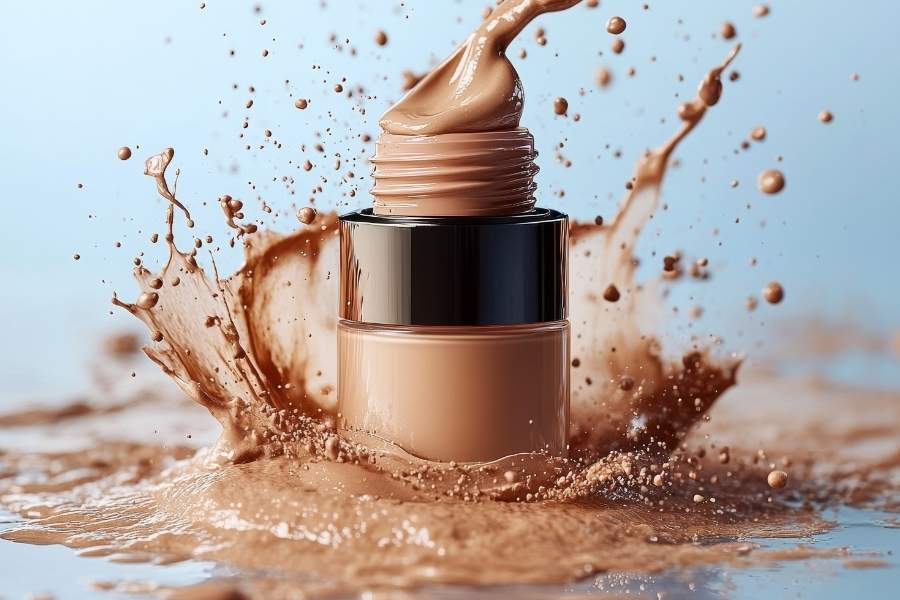
High-speed photography captures dynamic moments – powder clouds, liquid splashes, brush strokes in action. These techniques require specialized equipment and timing but create memorable images that grab attention in crowded feeds.
Creative Perspectives That Work
Overhead flat lays dominate social media beauty product photography for good reason. They’re clean, organized, and perfect for showcasing multiple products in lifestyle contexts that customers can relate to.
Macro close-ups reveal textures and details that standard shots miss completely. The smooth finish of lipstick, shimmer particles in eyeshadow, the creamy texture of moisturizer – details that help customers understand quality and justify higher prices.
Diagonal compositions add energy without sacrificing professionalism. Subtle angles create visual movement that draws viewers through your composition while avoiding the static feeling of perfectly straight product placement.
Lifestyle Integration Done Right
Context shots help customers visualize products in their daily routines. A skincare product on a bathroom vanity with natural morning light tells a story about self-care that pure product shots can’t match.
Hands in action show products being used while keeping focus on the cosmetics themselves. These shots provide scale and context that help customers understand benefits and applications better than isolated products floating in space.
Seasonal styling keeps Beauty Product Shots feeling fresh year-round. Summer brings bright colors and tropical vibes, winter emphasizes cozy textures and warm lighting that suggests luxury during colder months.
Mastering Beauty Product Shots takes patience, but the payoff is huge. Your camera becomes a sales tool that works 24/7, turning browsers into buyers through images that capture dreams and aspirations. Every technique you’ve learned here contributes to that final goal – photos that make people want what you’re selling. The beauty industry runs on visual desire, and now you know how to create it. What amazing story will your next beauty shot tell your customers?