
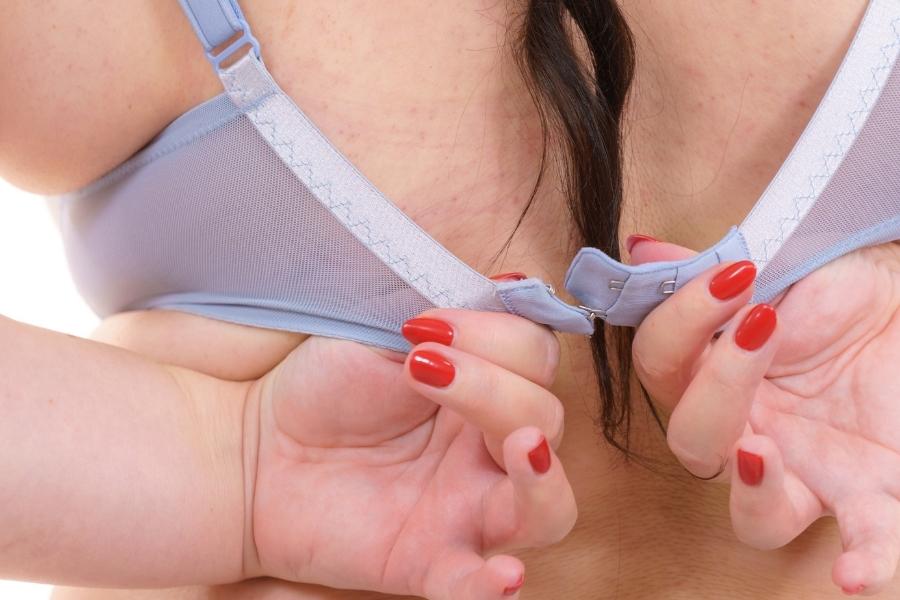
Bra fitting used to be something your mom dragged you to do at department stores. Now? You can figure it out yourself without awkward changing room encounters. Here’s the thing: most of us are walking around in the wrong size. We’re talking 8 out of 10 people here. That uncomfortable feeling you’ve been ignoring? It doesn’t have to be your reality.
Your bra is basically the foundation garment that makes or breaks your entire day. When it fits right, you forget it’s even there. When it’s wrong, it’s like having a pebble in your shoe that follows you everywhere. The catch is that bra fitting isn’t some magical one-and-done measurement that stays the same forever.
Bodies change. Brands vary wildly. Even different colors in the same style can fit differently (seriously, black fabric often runs tighter than nude). Weight fluctuations, hormones, pregnancy, age – they all mess with your size. So let’s ditch the idea that you’re stuck with whatever size you bought five years ago.
What Actually Happens During Bra Fitting
Bra fitting boils down to two numbers: your band and your cup. But here’s what blew my mind when I first learned this – your band does most of the heavy lifting. We’re talking 80% of the support comes from that stretchy piece around your ribcage, not those skinny straps digging into your shoulders.
Cup sizes work differently than most people think. That C cup you’ve been wearing? It means nothing without the band size attached. A 32C has way less volume than a 38C. They’re completely different animals. This is why sister sizing becomes your secret weapon when hunting for the right fit.
Your shape matters more than your size sometimes. Some people are fuller on top, others on the bottom. Some have breasts that sit close together, others are spaced wider apart. One might be noticeably bigger than the other (totally normal, by the way). All of this affects which styles will work for your body.
Getting Ready for DIY Bra Fitting
Grab a soft measuring tape – the kind sewers use, not the metal one from your toolbox. Having someone help makes things easier, but you can absolutely do this solo with some patience and mirror maneuvering. Ditch any padded or push-up bras first. They’re basically lying about your actual size.
Timing matters more than you’d expect. Your chest can change size throughout your cycle, usually getting bigger right before your period. For the most consistent results, measure yourself during the week after your period ends. If you’re pregnant or nursing, just know you’ll need to remeasure often.
Stand normally when you measure. Don’t suck in your breath or throw your shoulders back like you’re posing for photos. Your bra needs to work with your everyday posture, not some idealized version of yourself.
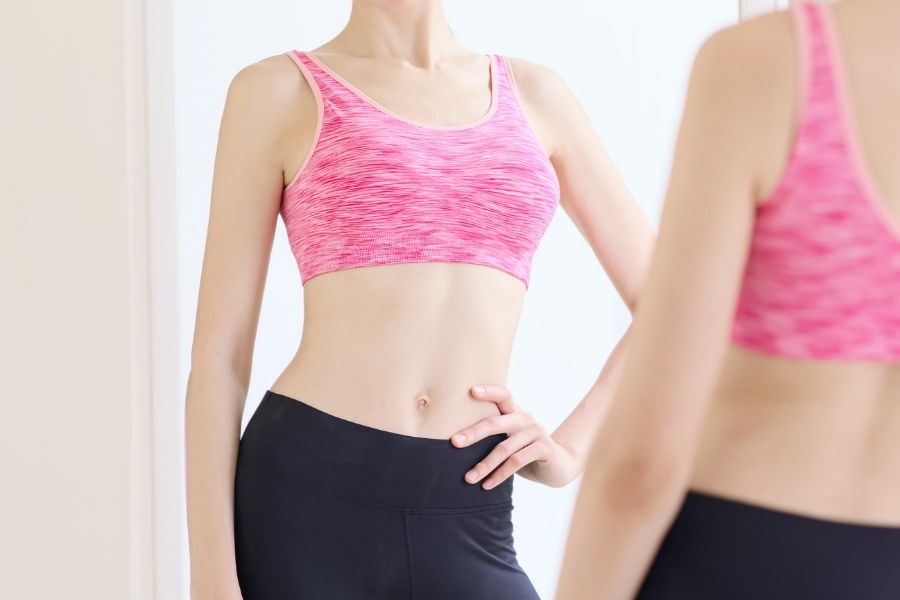
The Actual Bra Fitting Process
Start with your band measurement. Wrap that tape around your ribcage, right under where your breasts sit. Keep it snug but not tight enough to leave marks. Round to the nearest even number – that’s usually your band size, though some brands run big or small.
For your bust measurement, find your fullest point (usually at nipple level, but not always). Keep that tape level and don’t squish anything down. The difference between this number and your band measurement tells you your cup size. One inch difference = A cup, two inches = B cup, and so on.
Here’s where sister sizing saves the day. Let’s say you calculate a 36C but the band feels loose. Try a 34D instead – same cup volume, tighter band. Band too snug? Go up to 38B. This flexibility helps you work around different brands’ quirks.
Bra Fitting Mistakes That Trip Everyone Up
Don’t measure over clothes or your current bra. Even a thin shirt adds bulk and throws off your numbers. Always go skin-to-tape for accuracy. I’ve seen people add two full inches just from measuring over a sweater.
There’s a difference between snug and strangling yourself. Your measuring tape should feel secure, like a firm handshake, not a death grip. If you’re gasping for air, it’s too tight. If it’s sliding around, too loose.
Stop using your current bra size as gospel. That “comfortable” 34B might actually be a poorly fitting 32C that you’ve gotten used to. Our bodies evolve, and so should our bras. Also, resist the urge to round measurements to sizes that sound familiar or “better.”
How to Tell If Your Bra Actually Fits
A good fit creates smooth lines without any bulging, gaping, or spillage anywhere. That little piece of fabric between the cups (the gore) should sit flat against your chest. If it’s floating away from your body, your cups are too small. If it’s digging in painfully, something’s off with the size or style.
Pay attention to your straps throughout the day. They should stay put without cutting into your shoulders or falling off constantly. If you’re always adjusting them, your band is probably too loose and making the straps do work they weren’t designed for.
Check your band position in mirrors. It should sit level around your body, not hiking up your back. You should be able to slide two fingers underneath comfortably – not your whole hand, not just your pinky. The underwire (if you have one) should follow your natural breast crease without sitting on tissue or poking you.
Fixing Common Bra Fitting Problems
Spillage means you need bigger cups, sometimes way bigger than you think. Don’t try to fix this by loosening the band – that just reduces support where you need it most. Sometimes the problem isn’t size but style. A full-coverage design might handle spillage that a demi-cup can’t.
Gaping usually screams “cups too big,” but not always. Sometimes the shape just doesn’t match your body. You might need a completely different style, like switching from full-coverage to a plunge. Gaping can also mean your bra has given up the ghost and needs replacing.
Underwire drama has several possible culprits. Too-small cups force the wire to sit on breast tissue instead of against your ribcage. Too-big bands let the whole thing shift around. Sometimes the wire width just doesn’t match your anatomy – you need narrower or wider wires from a different brand.
Picking Styles That Work With Your Shape
Understanding your breast shape transforms your bra fitting game completely. If you’re fuller on top (more volume above the nipple line), full-coverage and balconette styles give you room to breathe. Demi-cups might create spillage disasters, while push-ups could make you look cartoonish.
Fuller on the bottom? Push-ups and demi-cups are your friends. They lift and enhance what you’ve got naturally. Full-coverage styles might gap at the top, creating that weird empty-cup look nobody wants.
Even distribution gives you the most flexibility. Most styles work reasonably well, so you can choose based on what you need for different outfits. But that doesn’t mean everything will be equally flattering – pay attention to what makes you feel confident.
When DIY Bra Fitting Isn’t Enough
Sometimes home bra fitting hits a wall, and that’s okay. If you’ve tried multiple sizes and styles but nothing feels right, a professional fitter can spot issues you’re missing. They know how different brands fit and can suggest options you’d never think to try.
Post-surgery situations definitely benefit from expert help. Whether it’s cosmetic surgery, medical procedures, or reconstruction, these create unique challenges that trained fitters understand better. Many specialty shops employ people specifically trained for post-surgical fitting needs.
Major life changes like pregnancy, breastfeeding, significant weight changes, or hormone shifts can make DIY fitting temporarily impossible. Professional fitters help you navigate these transitions and figure out timing for new purchases. They might suggest specialty items or temporary solutions while your body does its thing.
Keeping Your Perfect Fit Over Time
Even perfectly fitted bras don’t last forever. Elastic gives out, bodies change, and stuff just wears down. Most bras lose serious support after about six months of regular wear, though quality and how often you wear them makes a difference. Rotating between several bras helps them last longer.
Watch for signs it’s time to remeasure. Constantly adjusting throughout the day, feeling uncomfortable, or noticing your clothes fit differently all signal potential size changes. Weight swings of ten pounds or more usually mean size adjustments, though everyone’s different.
Store your bras right to keep them working longer. Lay them flat or hang them by the center gore, never by the straps. Don’t fold cups into each other – it stretches the fabric and warps the shape. Taking care of them protects your investment and maintains the fit you worked to achieve.
Finding your perfect bra fitting goes beyond just numbers and measurements. It’s about knowing your body, spotting quality construction, and embracing the confidence that comes with actual support. You’re not just buying underwear – you’re investing in feeling comfortable in your own skin every single day.
Sure, it might take trying several sizes and styles before everything clicks. But isn’t feeling comfortable worth some trial and error? You spend more time in your bra than probably any other piece of clothing. Shouldn’t it feel amazing instead of just tolerable?